How to Choose the Right Flat Bed CNC Lathe Machine for Cost-Effective Machining
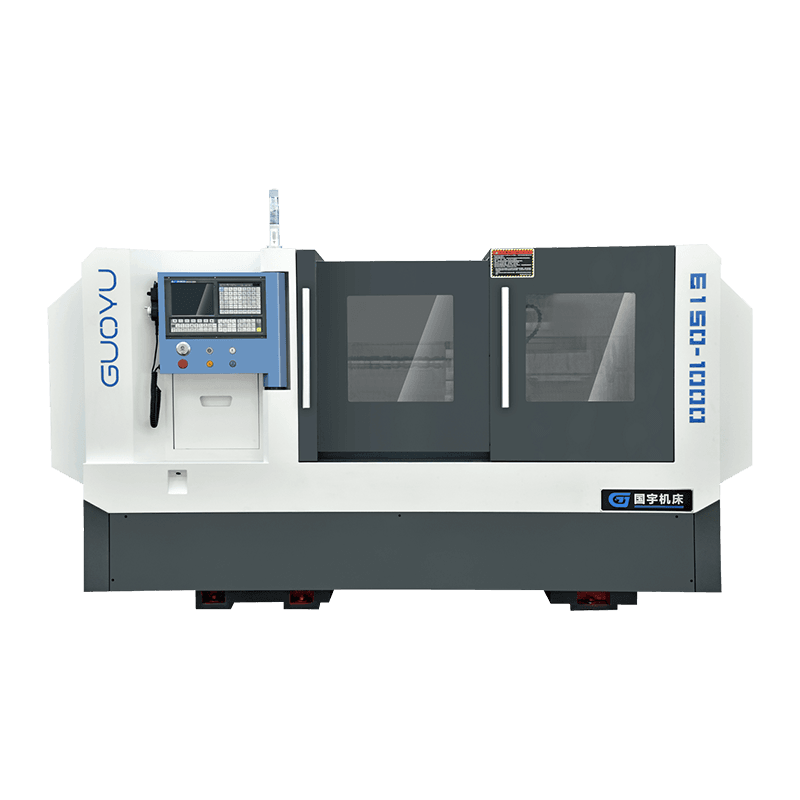
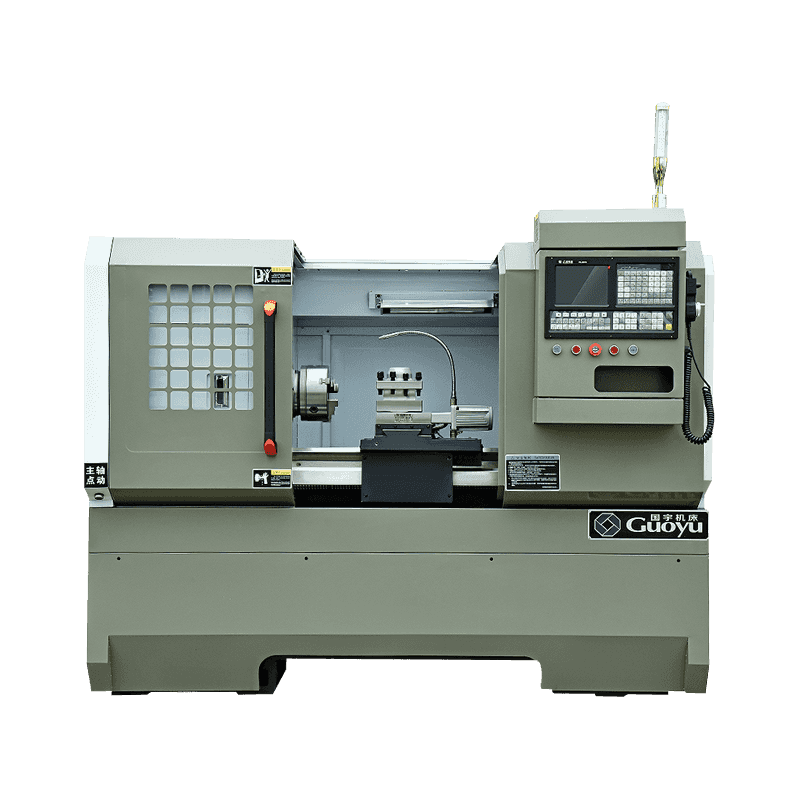
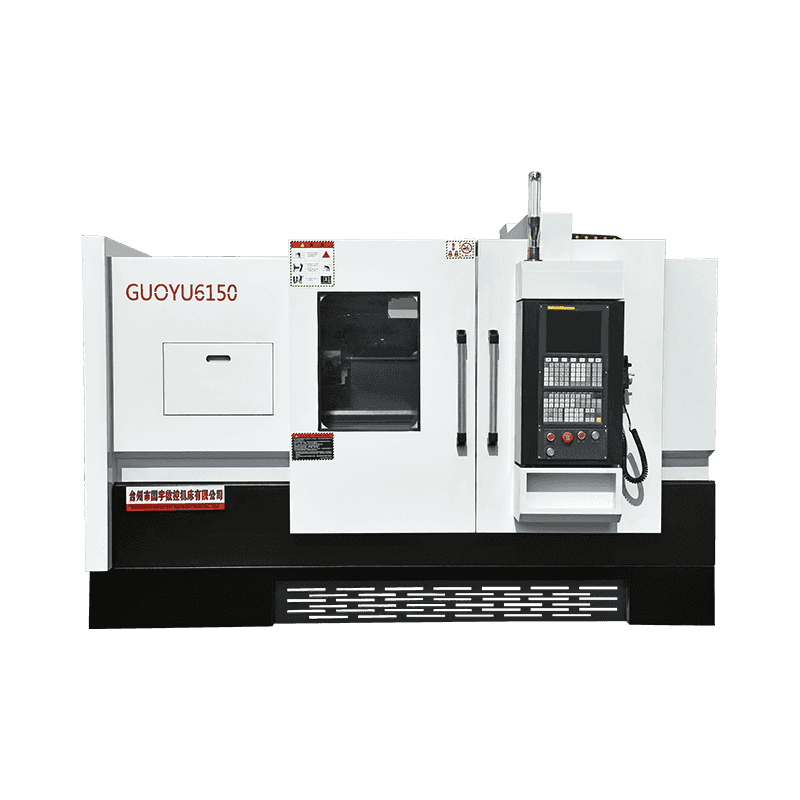
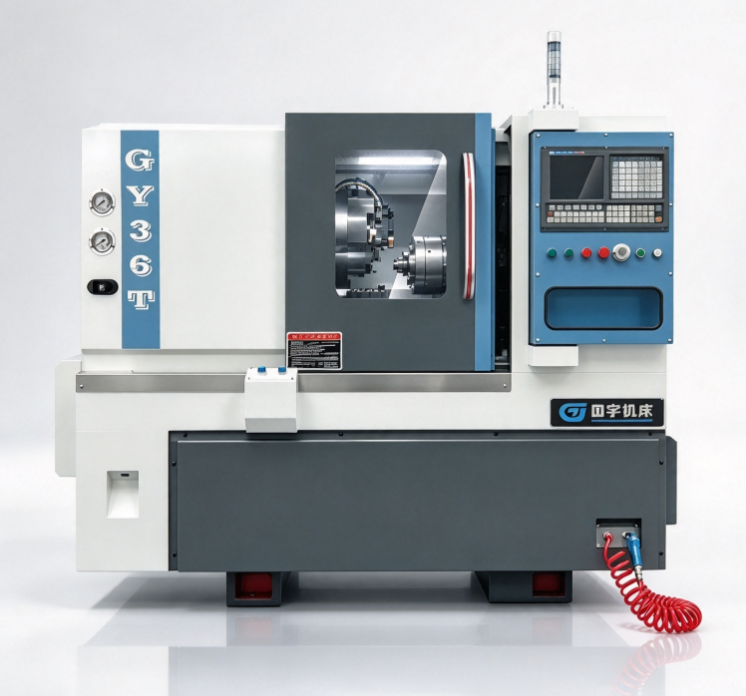
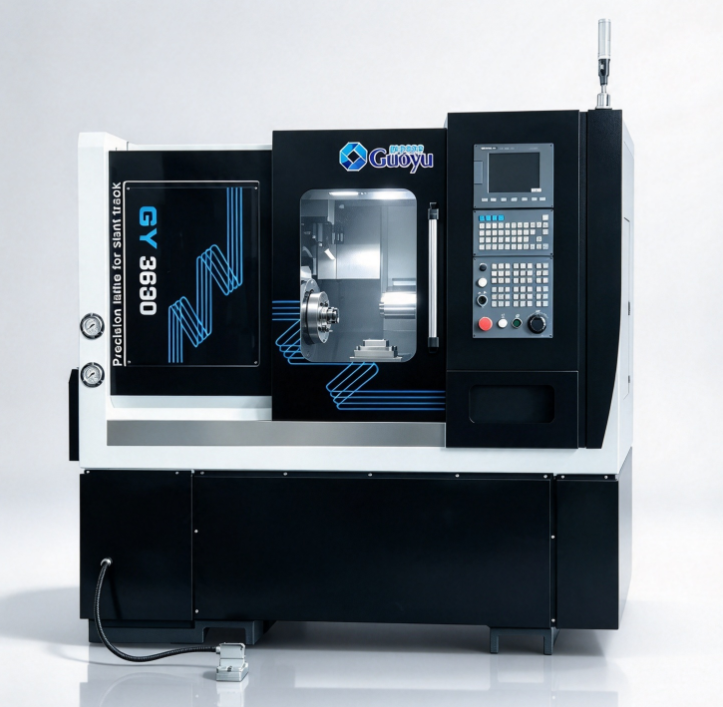
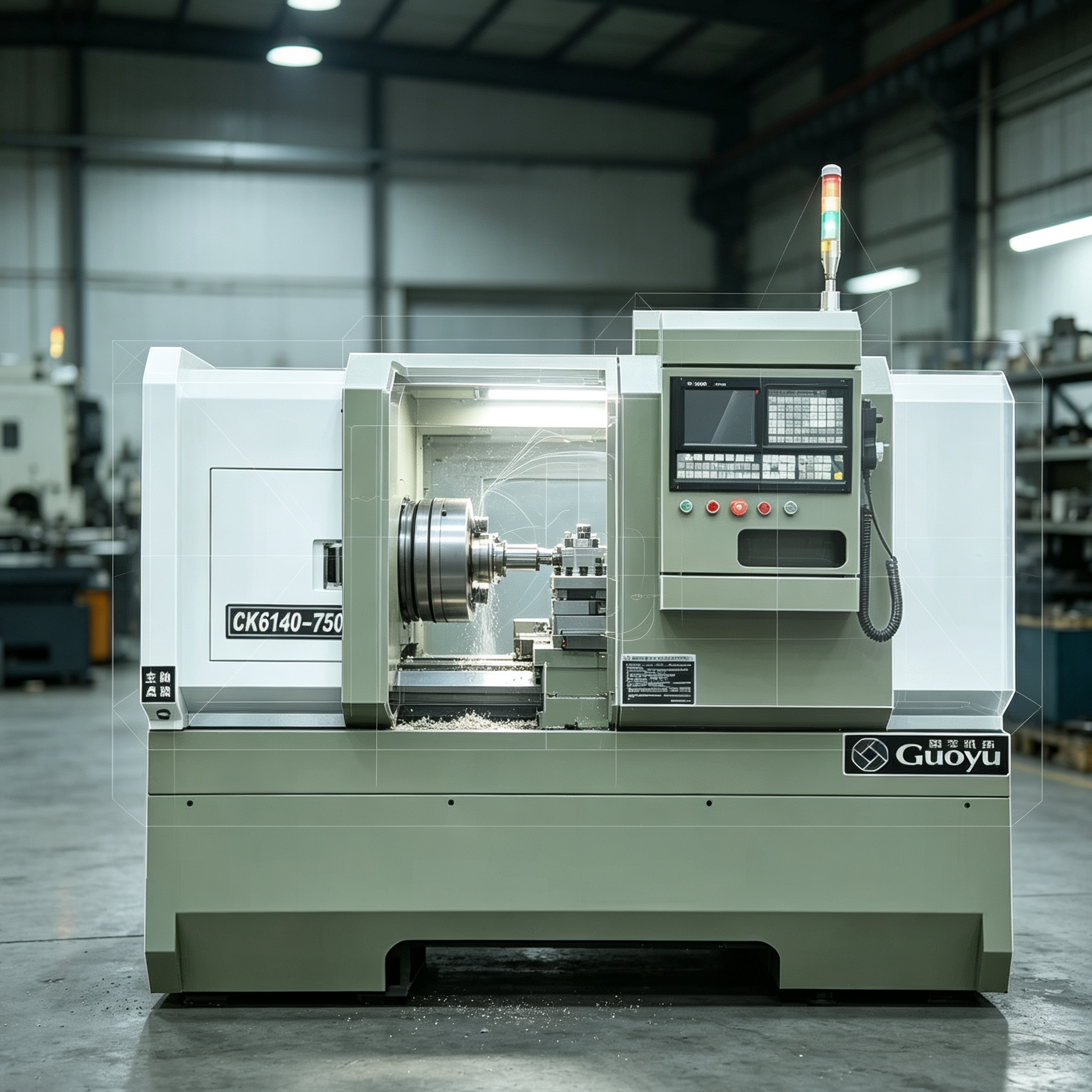
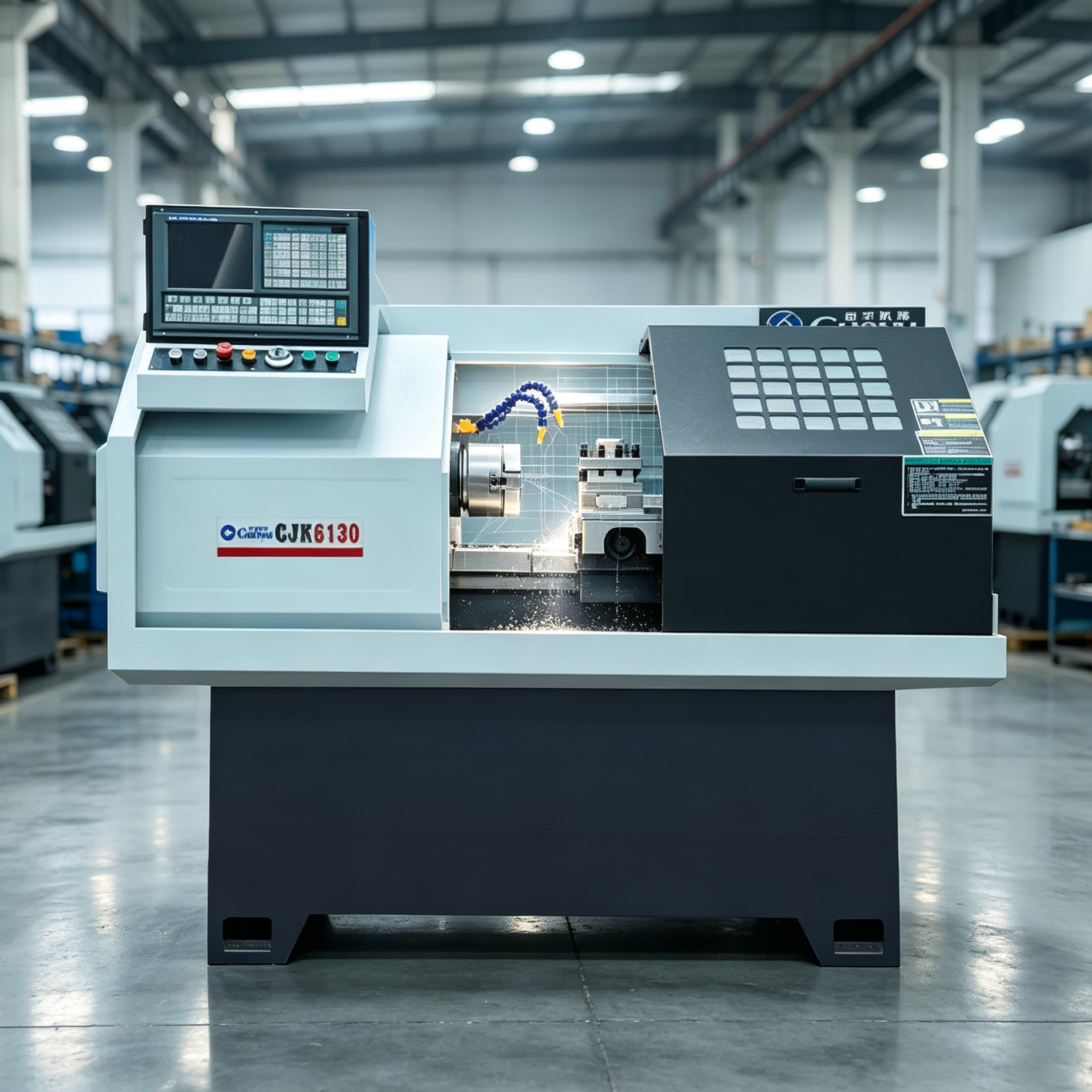
For many machine shops, buying a CNC lathe is not only about spindle speed or basic technical data. What matters more is whether the machine can deliver stable daily performance, support the required part range, and remain cost-efficient over time. This is why the Flat Bed CNC Lathe Machine continues to be a popular option in general machining, metal component production, repair work, and batch manufacturing.
Why Flat Bed CNC Lathes Remain Widely Used
A flat bed structure is still preferred by many manufacturers because it offers a practical combination of rigidity, accessibility, and operating familiarity. In real production environments, these advantages matter just as much as published machine parameters.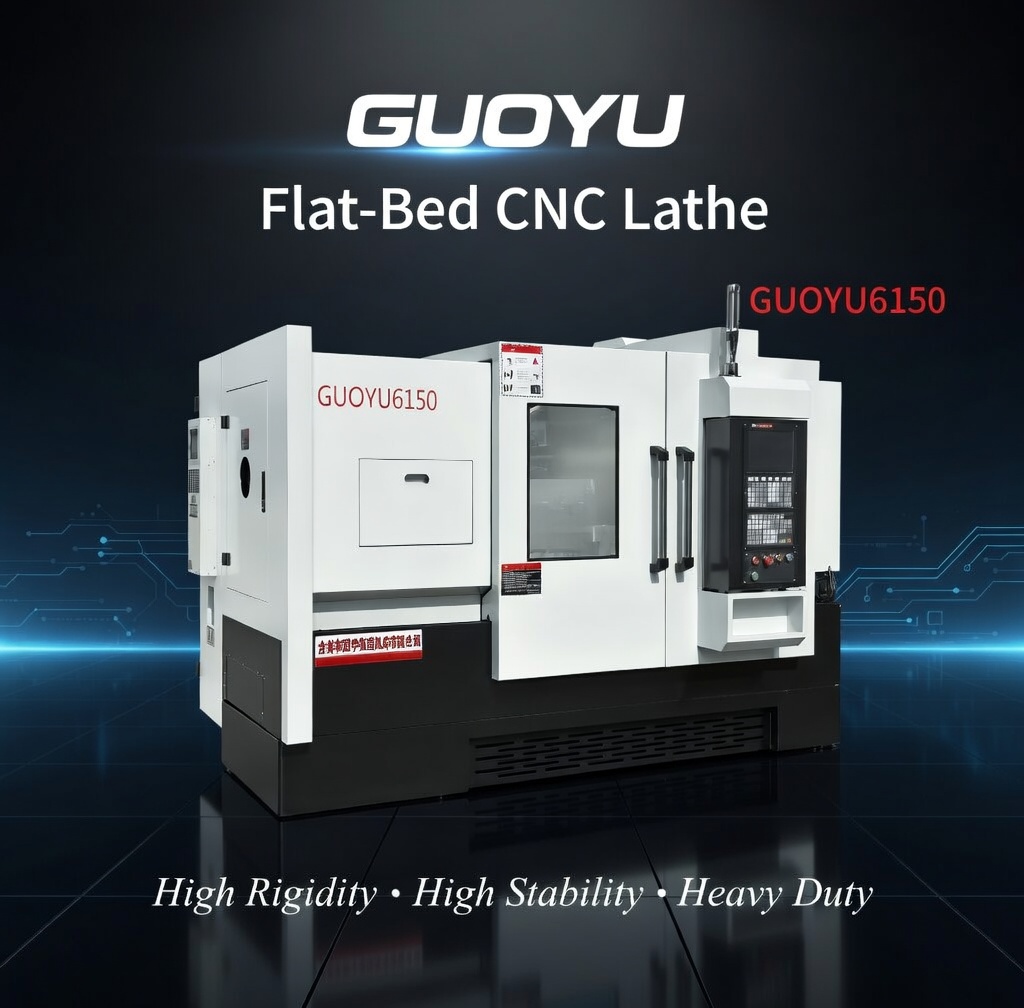
|
Key Benefits
|
Description
|
|
Stable Support
|
Reliable for common turning applications
|
|
Convenient Loading/Unloading
|
Easy part handling for various types
|
|
Reliable Performance
|
Consistent results in repeat production
|
|
Lower Entry Cost
|
More affordable compared to complex platforms
|
|
Broad Suitability
|
Ideal for small and medium-sized workshops
|
For businesses searching for an Economical CNC Lathe, this machine category often provides a sensible balance between investment level and usable production capability.
Common Applications of a Flat Bed CNC Lathe Machine
In everyday machining work, a Flat Bed CNC Lathe Machine can handle a broad range of turning tasks. It is commonly used for shaft parts, sleeves, flanges, threaded components, and other regularly shaped metal workpieces.
Typical machining operations include:
- Outer diameter turning
- Facing
- Grooving
- Thread cutting
- Boring
- Reaming
- Taper turning
- Machining of selected formed surfaces
Because of this versatility, flat bed CNC lathes are often found in industries such as:
- automotive components
- agricultural machinery
- hardware processing
- general industrial parts
- custom metal fabrication
What Buyers Should Look for in an Economical CNC Lathe
When selecting an Economical CNC Lathe, buyers usually focus on more than price. A lower machine cost is useful, but long-term production value depends on machine construction, accuracy retention, and service support.
Important points to evaluate:
- Machine Rigidity
- A solid machine body helps reduce vibration and supports more stable cutting results.
- Guideway Design
- Line rail systems often suit faster movement and lighter cutting, while hardened guideways may be preferred for stronger cutting loads and longer structural durability.
- Machining Accuracy
- Consistent dimensional control is essential for repeat orders and assembly-related parts.
- Control System Configuration
- A reliable CNC system improves usability, programming efficiency, and machine response in daily operation.
- Supplier Support
- Technical communication, spare parts access, and after-sales service often have a direct effect on long-term machine value.
Why Production Capacity and Quality Control Matter
For overseas buyers, supplier strength is often just as important as machine specification. A manufacturer with organized production management, process control, and traceable quality inspection is usually better prepared to deliver stable product quality.
A strong supplier is often able to provide:
- more consistent machine quality across batches
- clearer delivery planning
- customization support for different workpieces
- more efficient technical follow-up
- better service before and after the sale
This becomes even more important when customers need special machine configurations, optional accessories, or process-based modifications.
Customized Solutions for Different Machining Needs
Different workshops often have different materials, part dimensions, and production setups. Because of that, many buyers prefer a Flat Bed CNC Lathe Machine that can be configured to match their actual machining needs rather than relying on a one-size-fits-all solution.
Common customization areas include:
- CNC control system options
- Tool post arrangement
- Chuck diameter selection
- Spindle bore specifications
- Guideway structure
- Motor and power configuration
Machine size matched to specific workpieces
A supplier with a solid understanding of these factors can usually help buyers identify a more appropriate Economical CNC Lathe, rather than offering a standard machine that may not fit the job well.
In many production facilities, the best machine is not necessarily the one with the most advanced configuration. More often, the right choice is equipment that supports the required workload, keeps output stable, and performs reliably year after year. That is why the Flat Bed CNC Lathe Machine continues to hold its place in everyday manufacturing.
For companies looking for an Economical CNC Lathe with dependable versatility, solid construction, and the ability to handle a broad range of machining tasks, flat bed models are still a sensible solution for modern workshop operations.


 English
 中文简体
中文简体 русский
 Español