English
 中文简体
中文简体 русский
 Español

Technical Characteristics: It can cut all kinds of turning surfaces by bicycle, such as conical surf...
See DetailsA machinist walking up to a lathe at the start of a shift rarely thinks about maintenance in the abstract. They think about whether the last batch came out clean, whether the tool sounded right during the final cuts, and whether anything felt slightly off compared to yesterday. Those small impressions, gathered day after day, end up mattering more than any formal inspection schedule taped to the wall.
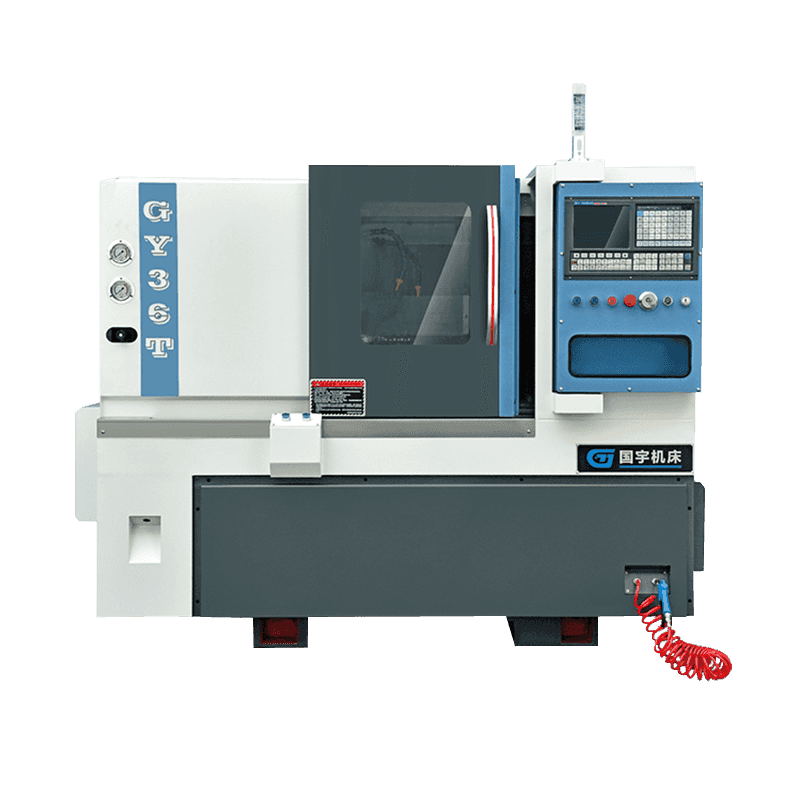
A Precision CNC Lathe holds its accuracy through a string of small habits rather than one dramatic overhaul. Cleanliness, lubrication, tool condition, and positioning stability all feed into each other, and neglecting one quietly shifts the burden onto the others until a part comes out wrong for reasons that take longer to trace back than they should.
A CNC lathe brings the spindle, cutting tools, positioning hardware, lubrication system, and the working area itself into one continuous loop. A problem rarely stays isolated. Chips left sitting on a fixture surface can throw off positioning just as easily as a genuinely worn part can, and a dulling tool edge can start producing surface marks long before anyone thinks to check the tool itself.
Catching these shifts early usually comes down to a familiar routine repeated often enough that deviations stand out on their own.
| Maintenance Area | Main Purpose |
|---|---|
| Spindle | Supports stable, consistent rotation |
| Cutting tools | Keeps cutting behavior predictable |
| Lubrication | Reduces unwanted resistance in moving parts |
| Cleaning | Limits contamination around working components |
| Positioning components | Supports repeatable workpiece placement |
| Routine inspection | Catches changes before they spread |
Manufacturer instructions should always take priority over a generic checklist, since two lathes built by different companies can call for different lubricants, cleaning agents, or inspection intervals despite looking similar on the shop floor.
Working material adds its own complications. Metal chips settle into corners nobody looks at during a normal shift, coolant residue builds up along guideways, and fine dust drifts into places that only get noticed during a deeper cleaning session. A steady maintenance habit keeps this buildup from becoming invisible simply because production never stopped long enough for anyone to look closely.
The spindle handles the rotation that the rest of the machining process relies on, so changes in its condition can become noticeable when the process begins to drift. A different hum, a faint vibration, or rotation that feels heavier than usual can all be worth checking, even when the cause is not yet clear.
Chips and cutting residue tend to gather around the spindle housing and chuck area over time, and that buildup can make it harder to spot a genuine problem underneath the mess.
| Spindle Check | What to Watch For |
|---|---|
| Rotation feel | Sounds or movement that differ from normal |
| Exterior condition | Dirt, residue, or visible scoring |
| Holding surfaces | Clean, unobstructed contact points |
| General behavior | Any drift from the machine's familiar pattern |
| Notes over time | Repeated issues worth flagging |
Cleaning around the spindle should follow whatever the equipment manual specifies rather than whatever cleaning rag happens to be nearby. Some surfaces react poorly to certain solvents, and a shortcut here can create a problem worse than the one it was meant to solve.
The spindle rarely acts alone. The chuck, the fixture, and the workholding surfaces all share responsibility for how a rotating workpiece actually behaves, so a spindle that seems fine in isolation can still produce inconsistent results if the chuck jaws are worn or the fixture face has picked up a burr.
A High-Precision CNC Lathe running repeated batches benefits from this same attention, arguably more so, since a small shift in spindle behavior that would go unnoticed on a single one-off part can quietly ripple through dozens of pieces before anyone catches it.
Tools rarely announce their own decline. A cutting edge doesn't usually snap outright; it wears down gradually, and that gradual change shows up as a slightly rougher finish, a cutting sound that's a touch sharper than usual, or small dimensional drift between parts made an hour apart.
Building tool checks into the normal rhythm of production, rather than waiting for a visibly defective part to raise concern, can help identify these issues earlier.
| Tool Condition | Possible Effect on Production |
|---|---|
| Clean and intact | Cutting behaves as expected |
| Visible wear | Finish quality may start to drift |
| Damaged edge | Dimensions or surface finish may shift |
| Poor installation | Tool sits away from its intended position |
| Contaminated holder | Tool seating becomes less stable |
The holder deserves just as much attention as the tool tip itself. A perfectly good cutting edge can still cause trouble if grit or residue around the holder is keeping the tool from seating flush.
Tool changes work better as a simple routine of their own: clear chips from the area, inspect the seating surface, and then install the replacement. Skipping that check and fitting a tool into a dirty holder can carry an existing problem into the new setup.
It also helps to resist stretching a tool's working life just because it still technically cuts. The right point to swap it out depends on the material being machined, the cutting conditions, the tool type, and whatever the manufacturer recommends, not on how the tool happens to look under shop lighting.
Lubrication keeps moving parts from grinding against each other more than they should, but adding oil whenever something looks a little dry is not really a maintenance plan. Too little lubricant causes obvious problems, but the wrong lubricant, sloppy application, or letting it pool where it shouldn't can cause their own separate headaches.
The equipment manual is the actual source of truth here, since it specifies which lubricant belongs where and how often it needs attention.
| Lubrication Practice | Why It Matters |
|---|---|
| Follow the manual | Keeps care matched to the machine's actual design |
| Check lubrication points regularly | Catches spots that got missed |
| Keep surrounding areas clean | Chips stick less to a clean surface |
| Watch for unusual leakage | May point to a seal or component issue |
| Keep a simple record | Builds a consistent habit over time |
Lubrication points tend to attract dust and chips precisely because oil is sticky, so keeping the surrounding area reasonably clean cuts down on one more source of contamination working its way into moving parts.
Any change in how the lubricant looks, or lubricant showing up somewhere it normally doesn't, is worth a second look rather than a shrug. A machine that runs smoothly under normal conditions also makes it easier to notice when something starts feeling different, so lubrication and general awareness of machine behavior end up reinforcing each other.
Mixing lubricants without confirming their compatibility is better avoided. Equipment documentation, rather than guesswork, should determine which lubricant belongs in each location.
It's tempting to treat cleaning as tidying up appearances at the end of a shift, but machining constantly generates chips and residue that can genuinely interfere with how the equipment performs if left to accumulate.
Workpieces, tools, fixtures, and the surrounding machine surfaces all collect this material during normal operation. Left in contact areas, it can throw off positioning or simply make it harder to spot something else going wrong underneath the mess.
A cleaner machine is also just easier to inspect. A hairline crack, a loose fitting, or a small patch of unexpected leakage stands out far more clearly against a clean surface than a grimy one.
A practical cleaning routine tends to break down into a few habits:
Rushing through cleaning tends to just relocate the problem. Blowing chips with compressed air into a gap or recess that's hard to reach doesn't remove the contamination, it just hides it somewhere less convenient to find later.
Coolant and cleaning fluids deserve the same discipline. Sticking to the procedures specified for the machine avoids introducing something that reacts badly with a seal, a coating, or a sensor that wasn't designed for it.
For a High Precision CNC Lathe, this kind of cleanliness isn't about appearances at all. It keeps contact surfaces behaving consistently and makes the routine inspection itself far less of a guessing game.
Positioning hardware determines where the tool meets the workpiece, so its condition has a direct effect on whether parts continue to match the drawing throughout the batch.
Fixture surfaces, workholding parts, and tool holders all pick up chips or gradually wear down through repeated use. Even a machine that seems to be running perfectly fine can still deliver a slightly shifted result if a stray chip is sitting between two surfaces that are supposed to sit flush against each other.
| Positioning Area | Maintenance Focus |
|---|---|
| Fixture surfaces | Keep contact points genuinely clean |
| Workholding parts | Check for visible wear over time |
| Tool holders | Confirm the seating surface is sound |
| Contact points | Clear away chips and residue |
| Moving areas | Watch for movement that feels off |
Forcing a workpiece into place when something is clearly resisting is rarely a good instinct to follow. A small trapped chip can shift the relationship between the workpiece and the machine just enough to throw off an otherwise careful setup.
The same caution applies to tooling installation. A holder should seat the way the machine's instructions describe, not just tightened until it feels secure by hand.
Visible wear or damage on positioning components should not be ignored in the hope that it will have no effect. If a component no longer behaves as expected, it is worth stopping to check the cause rather than continuing through the batch and hoping the issue disappears.
Consistent positioning really does start with consistent preparation. A clean contact surface and a properly maintained holding setup give the whole machining process a steadier foundation to build on.
An inspection routine works well when it becomes a natural part of the shift instead of feeling like an added chore. There is no need to take the machine apart every morning, but recognizing visible signs that deserve a closer look can make a meaningful difference.
A sensible starting point covers the areas operators already touch regularly: the exterior, the working area, the tooling, the workholding setup, the lubrication points, and whatever positioning components are visible during normal setup.
| Inspection Stage | Question Worth Asking |
|---|---|
| Before machining | Is the working area actually clean and ready? |
| Tool check | Is the tool seated properly and in decent shape? |
| Workholding check | Is the workpiece held the way it should be? |
| During operation | Does the machine sound and feel normal? |
| After machining | Any odd marks, residue, or visible changes? |
Keeping a simple record of what gets noticed can reveal patterns that a single observation would miss entirely. If the same small issue keeps showing up after a particular kind of job, that pattern is worth investigating properly instead of just wiping away the same symptom every time it appears.
None of this needs to turn into heavy paperwork. A quick note about something unusual is often enough to help the next person on the machine understand what to watch for, especially in a shop where several operators rotate through the same equipment.
Safety belongs in this same routine. Following the machine's safety instructions and confirming the right conditions are in place matters especially when checking anything near moving parts or stored energy, since a quick inspection is not worth an avoidable injury.
Batch production asks the same machine to repeat the same motions over and over, which makes small shifts in tool wear, cleanliness, lubrication, or positioning easier to miss simply because everything still looks like it's working.
Folding maintenance directly into the production cycle, rather than treating it as a separate task squeezed in during downtime, keeps these small habits connected to the actual work being done. Checking a tool while it's already being swapped, wiping down a fixture while changing over to the next workpiece, these small additions barely slow anything down.
For instance, checking the contact surfaces when a new workpiece goes into the fixture, rather than assuming they're still clean from the last part, catches a surprising number of small problems before they ever reach the finished piece.
| Production Activity | Related Maintenance Habit |
|---|---|
| Workpiece change | Check holding and contact surfaces |
| Tool replacement | Inspect the tool and holder together |
| Cleaning cycle | Clear chips from the relevant areas |
| Lubrication service | Confirm specified points have been serviced |
| Production inspection | Watch for any drift in machining behavior |
Clear communication between operators matters just as much as the physical checks themselves. Someone who notices an odd vibration or a subtle change in surface finish should feel comfortable flagging it right away, rather than assuming someone else already caught it or that it will sort itself out.
A Precision CNC Lathe stays part of a genuinely stable workflow when maintenance gets treated as an ongoing habit woven into daily work, rather than something that only happens after a part comes out wrong.
The same logic holds whether the machine rolled off the factory floor last month or has been running the same shop for a decade. What changes is how the routine gets shaped around that particular machine's design, its actual workload, the environment it sits in, and whatever the manufacturer's service documentation actually recommends for it.
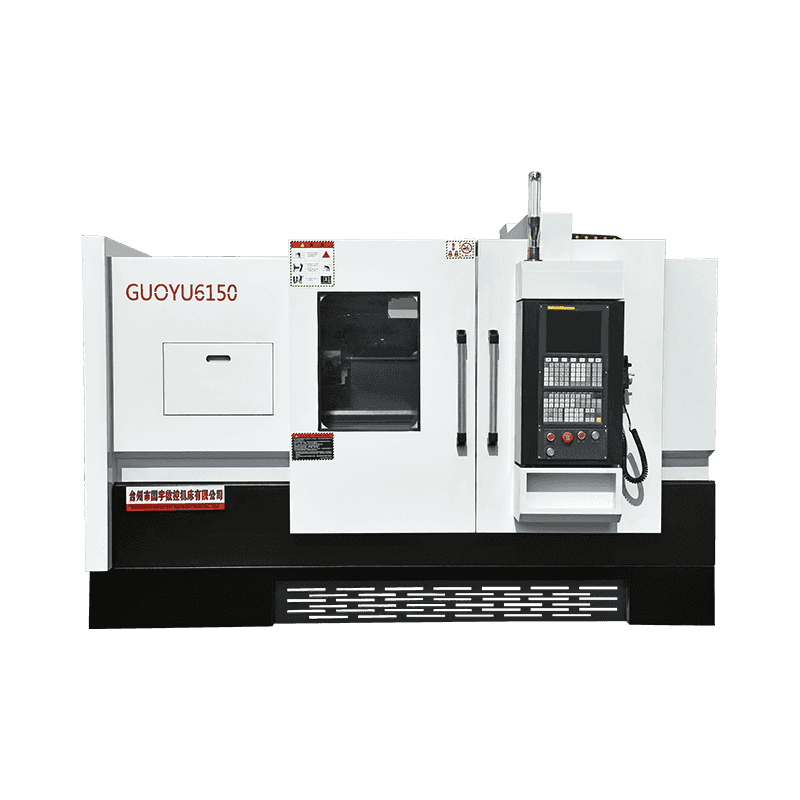
Technical Characteristics: It can cut all kinds of turning surfaces by bicycle, such as conical surf...
See Details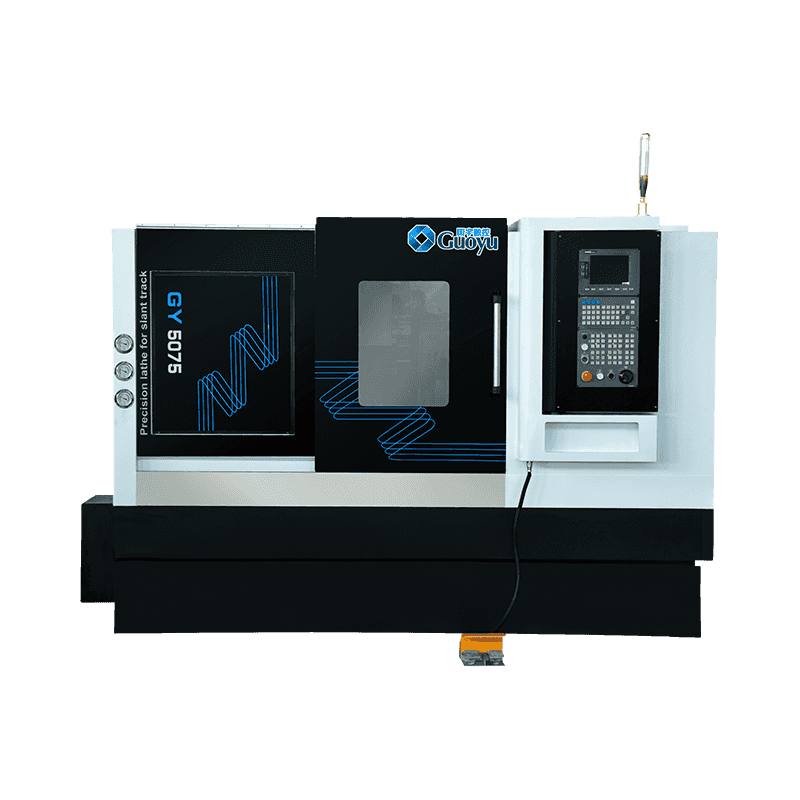
Technical Characteristics: The CNC machine tool for inclined beds adopts the domestic or imported hi...
See Details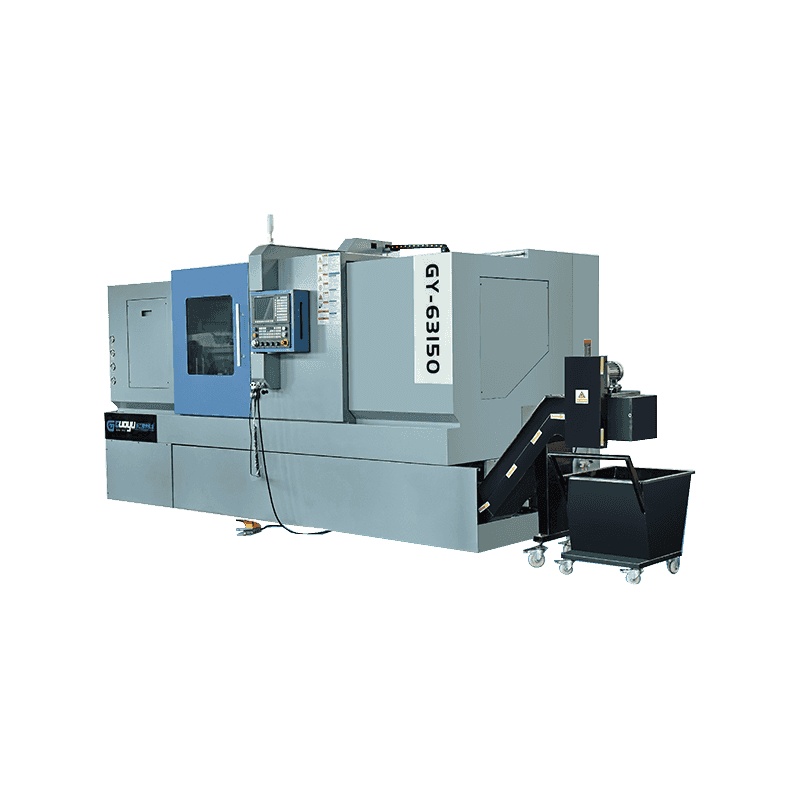
The Precision CNC Lathe With Programmable Tailstock For Connected Inclined Rail Tool Tower is just a...
See Details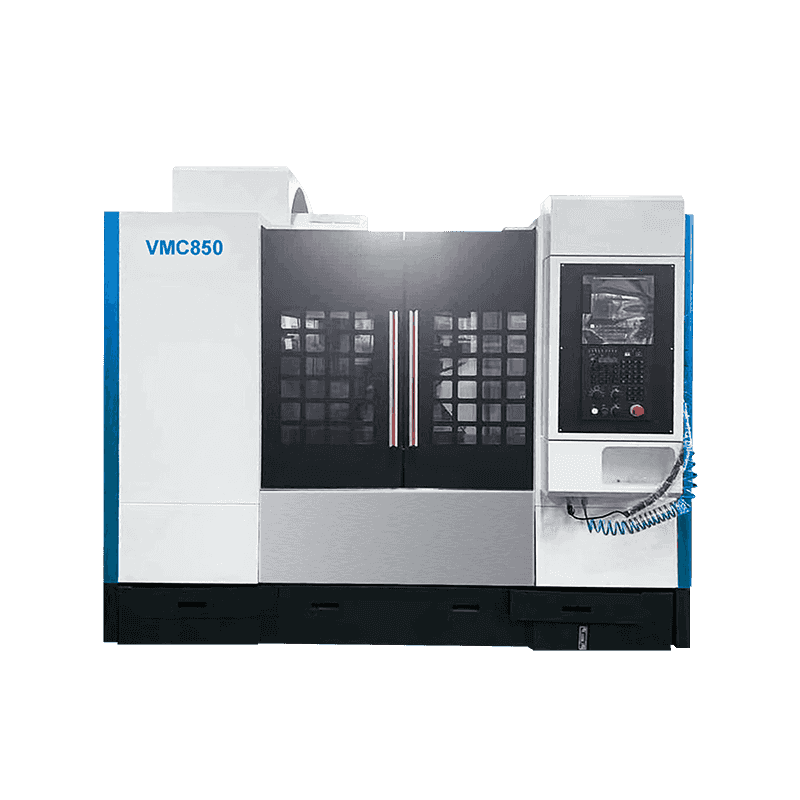
Technical Characteristics The machine tool is a single-column vertical guideway structure. The colum...
See Details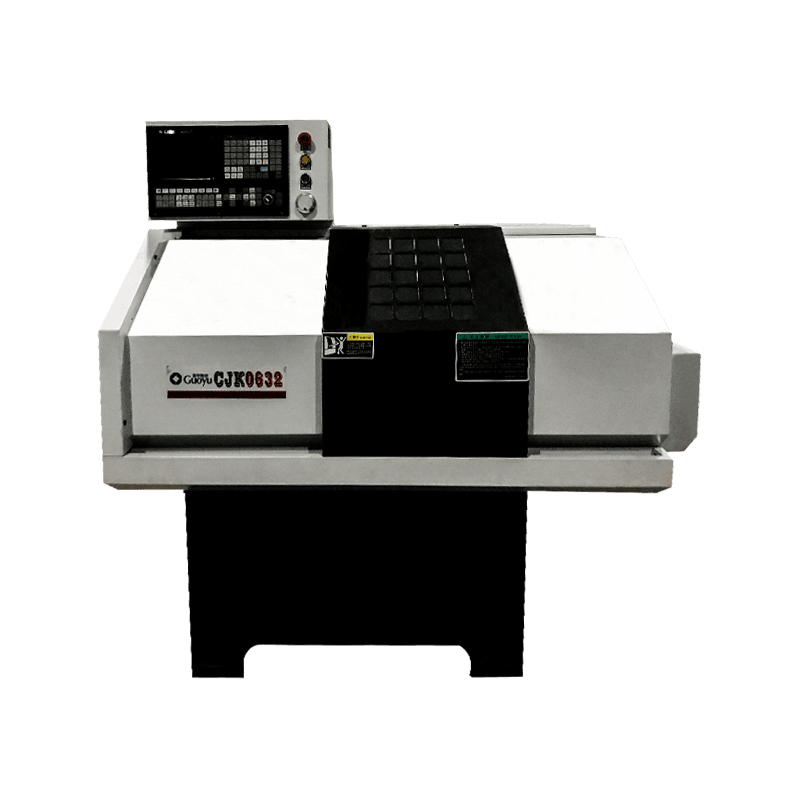
The Precision Line Rail Precision CNC Lathe is a completely practical machining choice if you want t...
See Details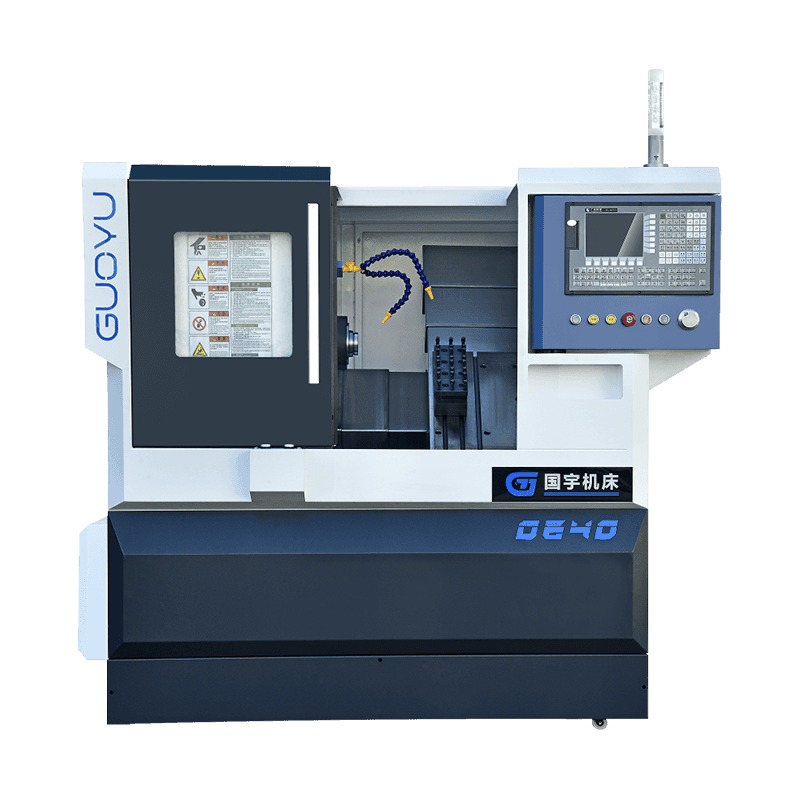
Introducing our Optional Control System CNC Lathe for Metal Processed, a sophisticated and reliable ...
See Details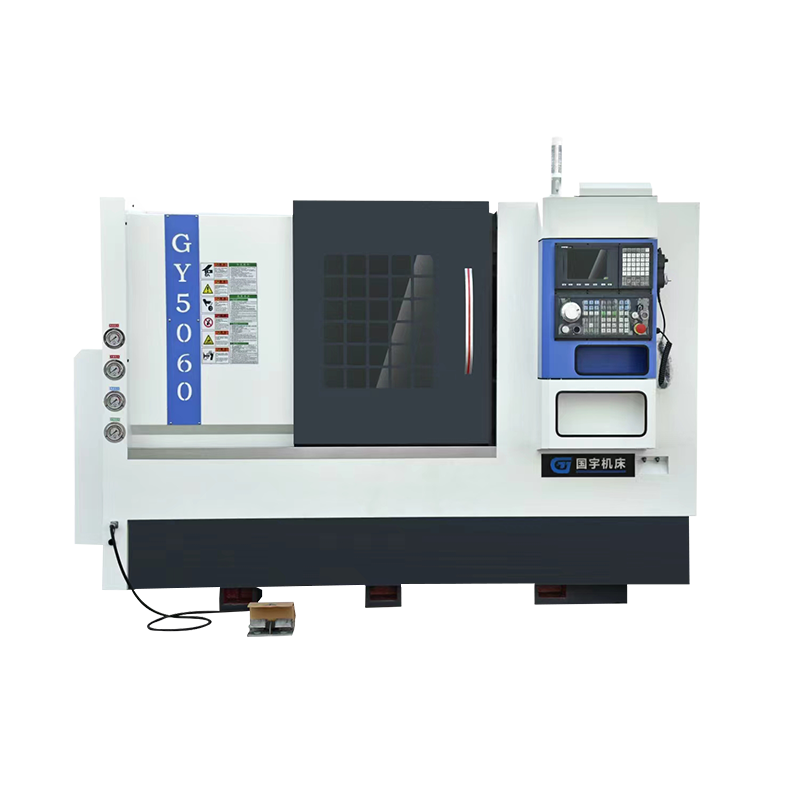
Technical Characteristics: All lathes are integrally cast with 250 materials to ensure processing ri...
See Details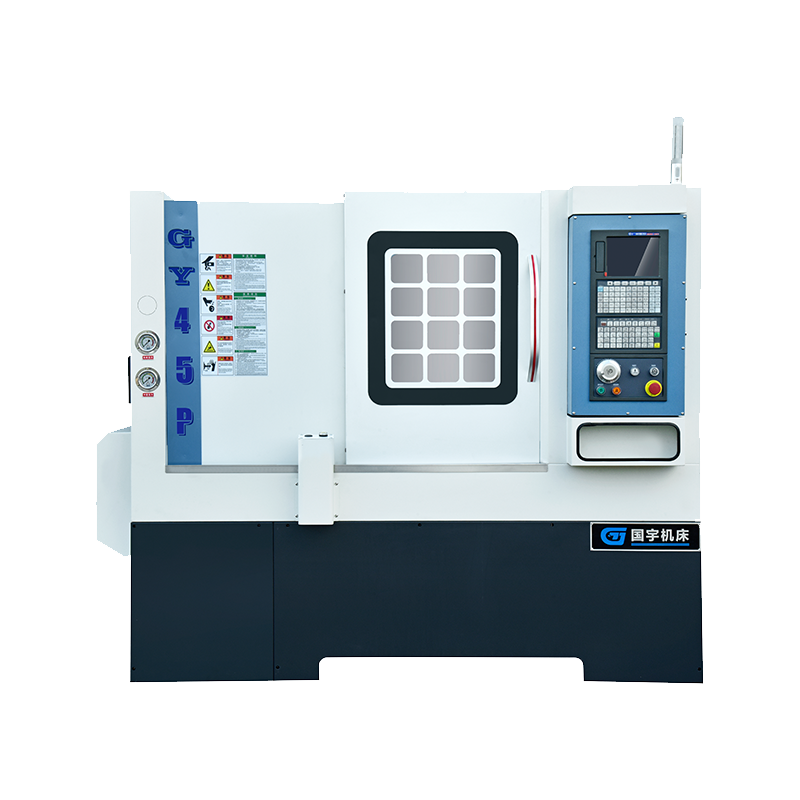
Technical Characteristics:Based on international advanced technology, the design of this machine too...
See DetailsOur team of digital and business experts will guide you to the right direction.
Let's Talk
Zhejiang Guoyu CNC Machine Tool Co., Ltd. relies on rich experience, professional technology and advanced methods to ensure the quality of its products, so that customers can enjoy more professional and thoughtful service.
 [email protected]
 +86-15356565970
 Xialiang Industrial Area, Luqiao District, Taizhou City, Zhejiang Province, China
Copyright © Zhejiang Guoyu CNC Machine Tool Co., Ltd. All Rights Reserved.