English
 中文简体
 русский
 Español


Technical Characteristics: It can cut all kinds of turning surfaces by bicycle, such as conical surf...
See DetailsA horizontal slant bed lathe turns round parts, shafts, sleeves, fittings and other components in many manufacturing settings. Its sloped bed guides metal chips away from the cutting area and keeps the working space easy to reach. Still, the range of materials it handles depends on more than the machine's structure.
Material choice shapes cutting behavior, tool wear, surface finish and the time a part takes to finish. Some metals turn easily and give clean surfaces under simple cutting conditions. Others build up heat, resist the cut or demand closer attention to tooling and setup.
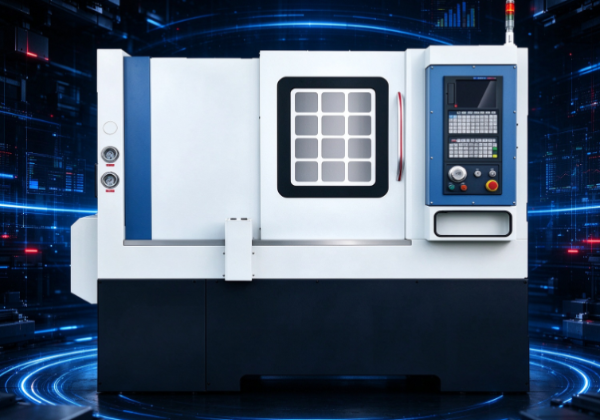
Knowing these differences helps manufacturers decide whether a horizontal slant bed lathe fits their production needs. It also prepares operators for the challenges that come with switching materials. From common steels and aluminum alloys to copper, brass, stainless steel and selected engineering plastics, each material has its own character.
A slant bed lathe machines many materials when its design, tooling and operating conditions suit the task. Metals dominate turning work, though some machines also handle certain non-metallic materials.
Common material groups include:
The list doesn't mean every slant bed lathe handles every material under the same conditions. Machine structure, spindle capability, tooling arrangement, workholding method and intended use all decide what you can process.
The workpiece matters too. A short, solid component behaves differently from a long, slender shaft in the same material. Part shape, cutting depth, surface requirements and production volume all shape the setup.
Before choosing a material for a job, review the machine's operating guidance and the properties of the workpiece. That avoids a mismatch between material, cutting tools and equipment.
Carbon steel is a manufacturing staple. It comes in many grades and serves a broad range of mechanical uses. Shafts, threaded parts, pins, bushings and other turned components often start as carbon steel.
Machinability depends on the grade, the condition and the intended part. Some grades cut smoothly and give manageable chips. Others create more cutting resistance and call for careful tool selection. Hardness and earlier processing also change how the material behaves.
A slant bed lathe suits carbon steel components when the machine and cutting tools match the job. The sloped bed helps chips move away, which matters when turning produces a steady stream. The bed design doesn't remove the need for proper chip control, tool inspection and cleaning, though.
Watch the cutting edge and the machined surface. Unusual vibration, poor surface quality or unexpected tool wear tell you the setup needs attention. Check these signs. Don't ignore them.
Carbon steel appears in general engineering, automotive components, equipment parts and industrial hardware. That breadth makes it a practical choice for workshops turning many kinds of components.
When choosing a carbon steel workpiece, weigh its grade, final function, required surface condition and production needs. These factors decide whether the material runs efficiently on your machine.
Stainless steel turns on a suitable slant bed lathe, but it demands more attention than easy-cutting materials. Its corrosion resistance makes it valuable in food processing equipment, industrial fittings, medical-related components, chemical equipment and many other applications.
Grades behave differently under the tool. Some machine fairly easily, while others generate more heat or put heavier demands on the cutting edge. Certain grades also harden near the machined surface when the cutting process is poorly controlled.
Tool selection matters here. The tool must suit the material and the planned operation. The wrong cutting edge wears fast, hurts the surface finish or makes the cut unstable.
Heat management needs attention as well. Stainless steel holds heat near the cutting area, depending on grade and cutting conditions. Sound cutting practice and a suitable coolant arrangement, where required, keep heat in check and extend tool life.
Chip control is a practical concern too. Stainless chips form long strands under some conditions. If they pile up around the workpiece or tool, they disrupt the process and create a safety risk. Use suitable chip-control methods and follow the machine's safety procedures. Never pull chips out by hand while the machine runs.
A slant bed design helps chips move away from the work area, but the real result depends on the cutting operation, chip shape and machine configuration.
Identify the stainless steel grade before production begins. That lets the team choose suitable tooling, set up a stable process and judge whether the machine fits the required component.
Manufacturers turn to aluminum alloys for lightweight parts, good corrosion resistance and convenient machining. Typical applications include equipment housings, connectors, sleeves, fittings and components in transportation and general engineering.
Many aluminum alloys turn easily. With suitable tooling and operating conditions, they allow smooth cutting and efficient material removal. That makes aluminum a practical option for parts with curved surfaces, grooves, threads and other turned features.
Aluminum isn't one uniform material, though. Alloys differ in strength, cutting characteristics and surface behavior. Some stick to the cutting edge or leave built-up material on the tool when conditions are wrong. The surface finish suffers and results become inconsistent.
Sharp tools designed for aluminum cut down on these problems. Chip evacuation matters too, especially for parts with narrow features or deep recesses. Chips left behind scratch the surface or interfere with cutting.
Workholding needs care. Thin walls and light sections deform when clamping pressure is wrong. Consider the component's shape and rigidity when choosing how to hold it.
A slant bed lathe works well for aluminum turning when its capabilities match the component's size and machining requirements. Pick the machine based on the actual work, not the material name alone.
For manufacturers producing a mix of metal parts, aluminum offers a useful contrast to steel. It supports lightweight product designs, but it still needs proper tooling, stable workholding and attention to the final surface condition.
Copper and brass are popular for turned components, although they cut differently. Copper is known for electrical and thermal conductivity. Brass, an alloy of mainly copper and zinc, goes into fittings, connectors, valves and small mechanical parts.
Copper is relatively soft and ductile. Depending on grade, it produces long or sticky chips and clings to the cutting tool. Suitable tool geometry and stable cutting conditions reduce these issues. Workholding needs attention too, because excess clamping pressure marks softer surfaces.
Brass usually machines more easily than pure copper. Many brass grades give manageable chips and support detailed turned features. That makes brass a good fit for components with threads, shoulders, grooves or shaped ends.
Brass alloys still differ from one another. Confirm the composition and intended application before choosing a machining approach. Also weigh any special requirements for the final component.
Both materials appear in products where dimensional consistency and surface appearance count. Electrical connectors, plumbing fittings, instrument parts and selected industrial components are typical examples.
A slant bed lathe processes copper and brass when tooling and setup are right. Operators should monitor chip formation, tool condition and surface quality during production. These checks catch problems before they spoil a larger batch.
When choosing between the two, base the decision on the component's required properties, not machining convenience alone. Electrical conductivity, corrosion behavior, strength, appearance and the working environment all matter.
Cast iron serves many industrial applications thanks to its mix of rigidity, wear behavior and casting flexibility. Depending on grade, it shows up in machine components, housings, pulleys and other parts that are easy to cast before final machining.
Cast iron turns on suitable equipment, but it behaves differently from many wrought metals. Some grades give short chips, while others contain features that affect tool wear and surface quality. The material can also carry abrasive particles that punish the cutting edge.
Dust and fine particles need attention during machining. Follow the machine manufacturer's cleaning and extraction guidance where it applies. Remove accumulated debris with approved methods, and stop and secure the machine when necessary. Good cleaning practice protects both people and machine components.
Workpiece condition counts as well. Cast parts often have uneven surfaces, leftover material or variations from the casting process. These affect how the tool enters the workpiece and how much material has to come off.
Before machining cast iron, confirm the grade and inspect the workpiece. Tool choice, workholding and the planned cutting process should reflect the material's condition and the required final shape.
A slant bed lathe suits cast iron parts when the machine is designed for the intended operation. Don't assume every machine configuration fits every cast iron component, especially for heavy material removal or demanding surface requirements.
Alloy steels contain extra elements that change their mechanical properties. Depending on grade and treatment, they offer more strength, wear resistance, toughness or other traits that demanding components need.
These properties make alloy steel useful for shafts, gears, mechanical parts and industrial components. They also make machining tougher. A stronger or harder material raises cutting resistance and puts more load on the cutting tool and machine setup.
"Alloy steel" covers a wide range of materials. Some grades machine readily as supplied, while others need careful planning. Hardness, heat treatment, workpiece shape and the amount of material to remove all influence the process.
Hardened materials need particular care. A conventional turning setup doesn't suit every hardened workpiece. The machine needs the right rigidity and capability, and the cutting tools must be made for the operation. Confirm these conditions before committing to production.
Monitor tool wear closely. Once the cutting edge deteriorates, the process loses stability and the finished part may miss its requirements. Follow suitable inspection procedures and replace or adjust tooling when needed.
Separate machining before hardening from turning after heat treatment. The two processes call for different tools, operating methods and equipment.
A slant bed lathe handles certain alloy steels when material, machine and tooling are compatible. Give the supplier clear information about the workpiece and the intended operation so machine suitability can be judged accurately.
Metal is the familiar material for lathe work, yet selected engineering plastics turn well too. They become bushings, spacers, sleeves, rollers, insulating components and parts that need low weight or particular chemical and electrical properties.
Plastics respond very differently to cutting. Some machine cleanly, others soften, deform or develop a rough surface when heat builds up. Rigidity, thermal behavior and the tendency to bend under pressure all affect the result.
Workholding is especially important for plastic components. Too much clamping force distorts a part, and too little support lets it move during machining. Thin-walled pieces react more strongly to these problems than solid ones.
Tool choice and chip removal need thought. Sharp, suitable tools give a cleaner surface and less needless heat. Follow material-specific guidance when choosing cutting conditions and deciding whether coolant or another method fits.
Dimensional checks take extra care, because some plastics change shape with temperature or spring back after leaving the fixture. A component that looks right while clamped can behave differently once released. The inspection process should reflect the material's properties and the part's intended use.
Not every horizontal slant bed lathe is meant for plastic machining. Confirm that the equipment, workholding and operating arrangements suit the material. Also consider whether plastic chips or dust call for specific handling procedures.
When the machine is suitable, engineering plastics widen the range of components a workshop produces. The key is to treat them as a distinct material group, not to apply metal-turning practices unchanged.
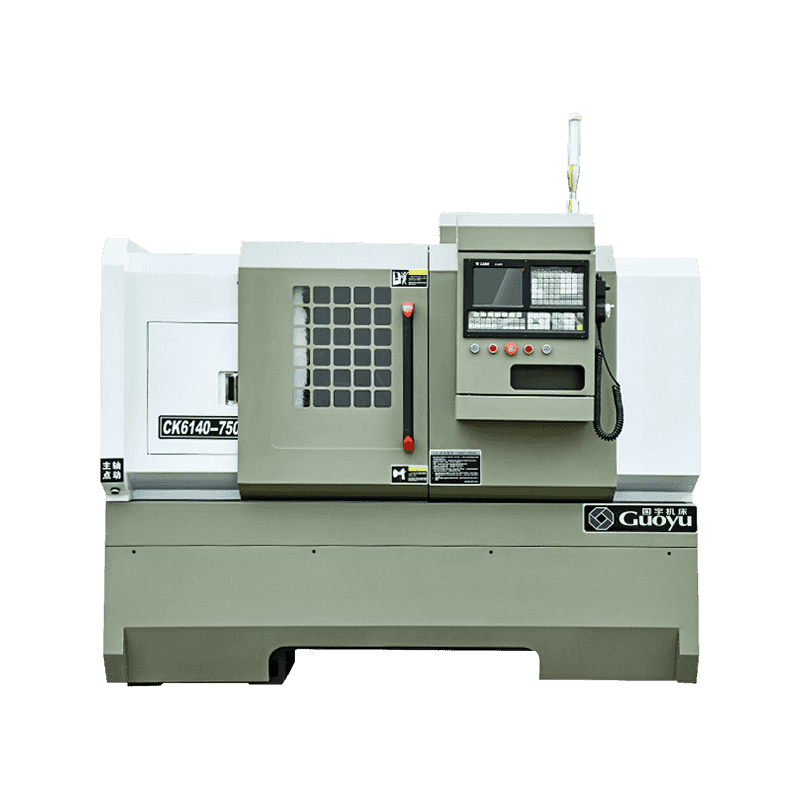
Technical Characteristics: It can cut all kinds of turning surfaces by bicycle, such as conical surf...
See Details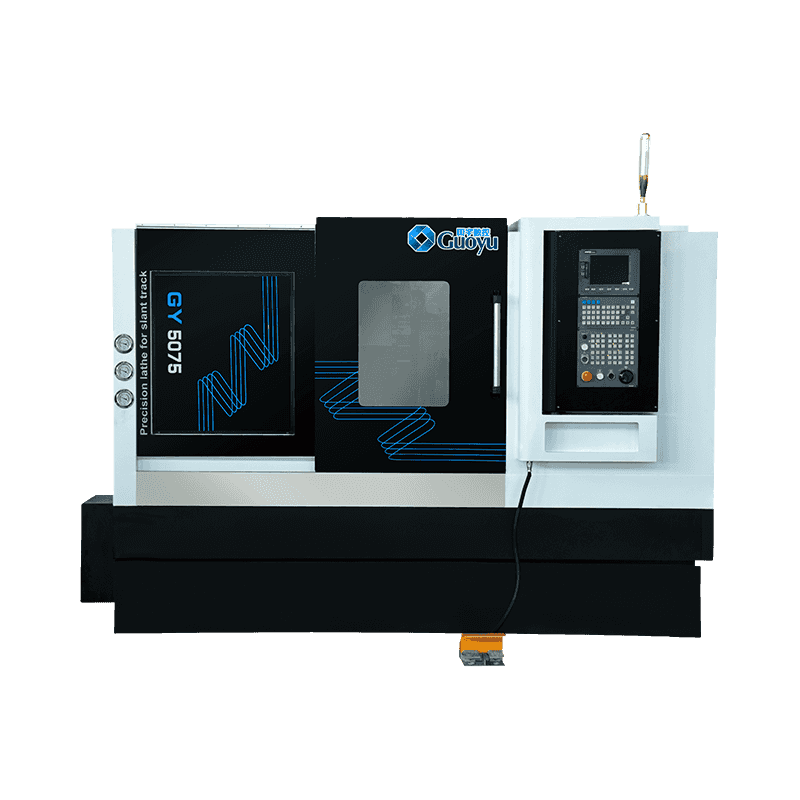
Technical Characteristics: The CNC machine tool for inclined beds adopts the domestic or imported hi...
See Details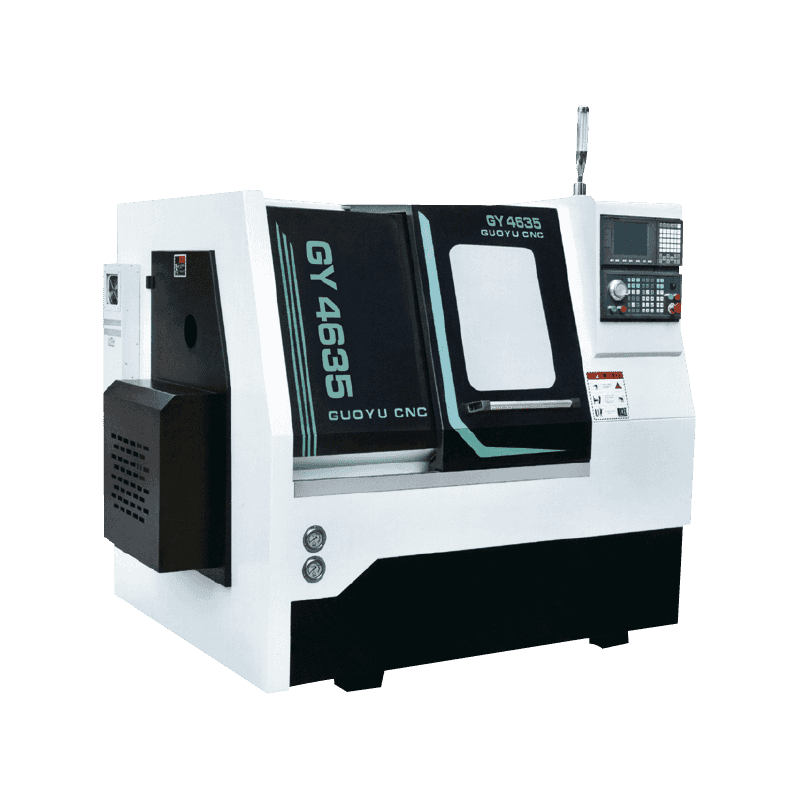
The Conjoined 45° Oblique Gauge Cutter Precision CNC Horizontal Lathe is a really practical turning ...
See Details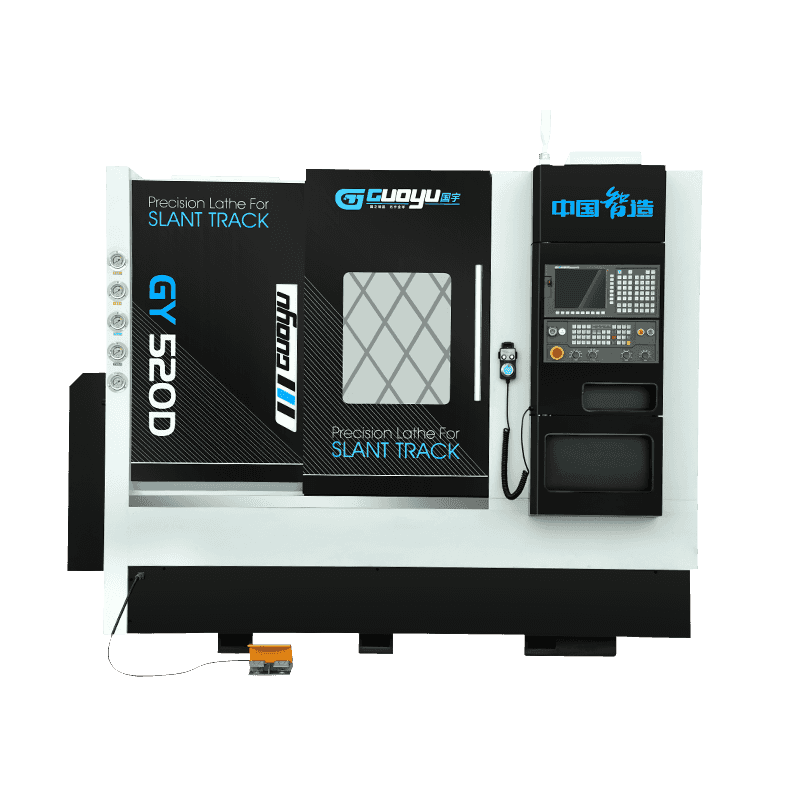
Technical Characteristics: The CNC machine tool for inclined beds adopts the domestic or imported hi...
See Details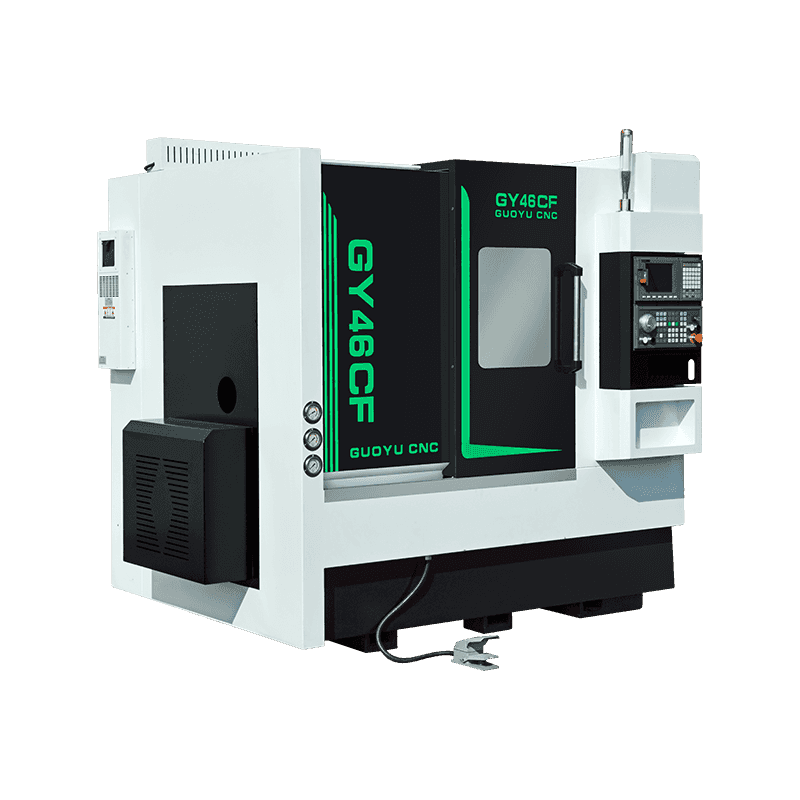
The 4+4 Type Precision CNC Lathe With Conjoined Oblique Rail Cutter Tower is a really practical, mul...
See Details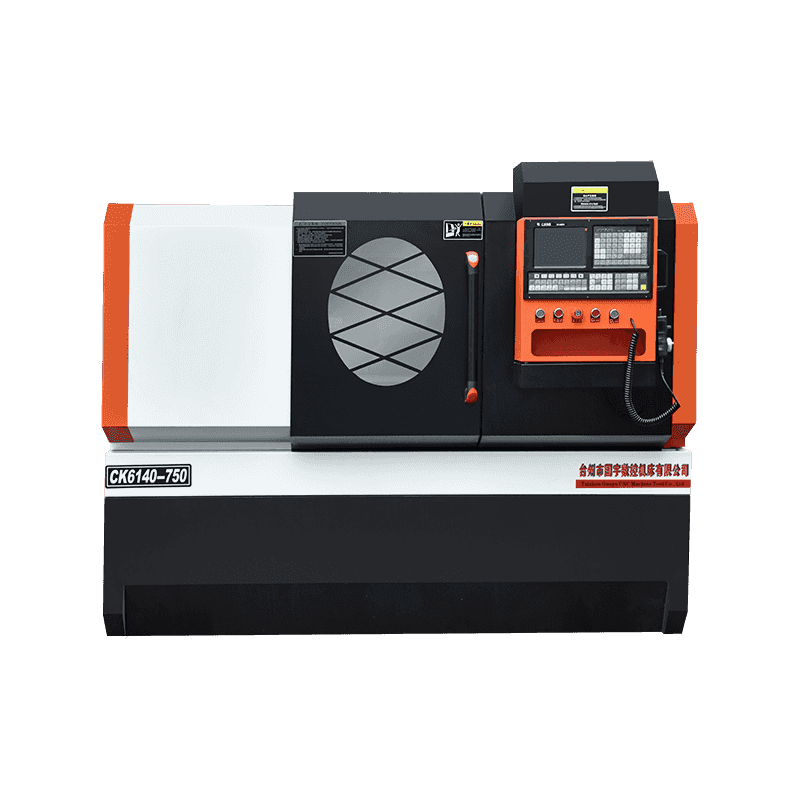
Technical Characteristics: It can cut all kinds of turning surfaces by bicycle, such as conical surf...
See Details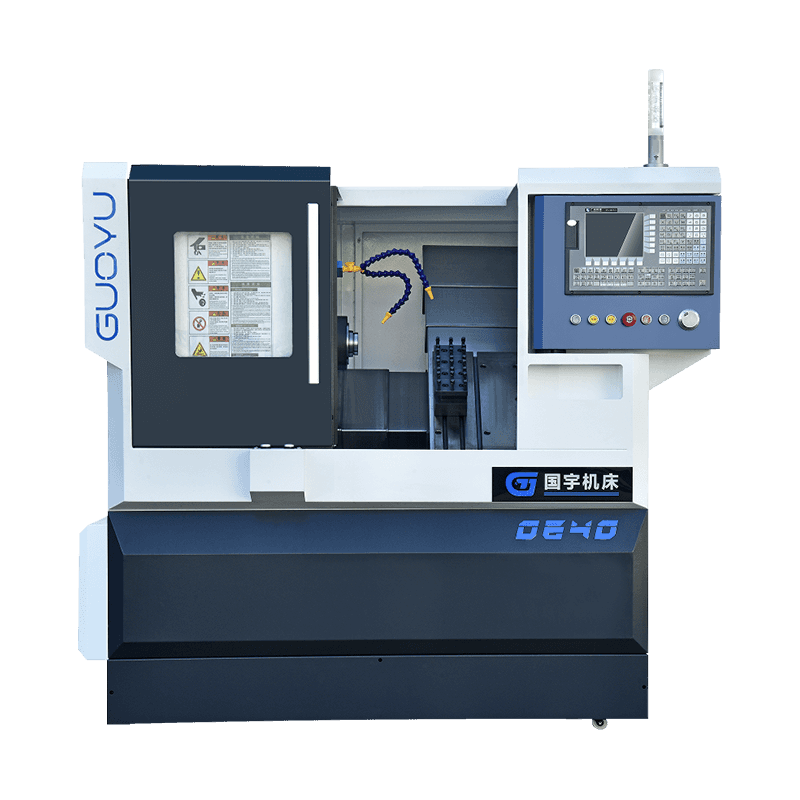
Introducing our Optional Control System CNC Lathe for Metal Processed, a sophisticated and reliable ...
See Details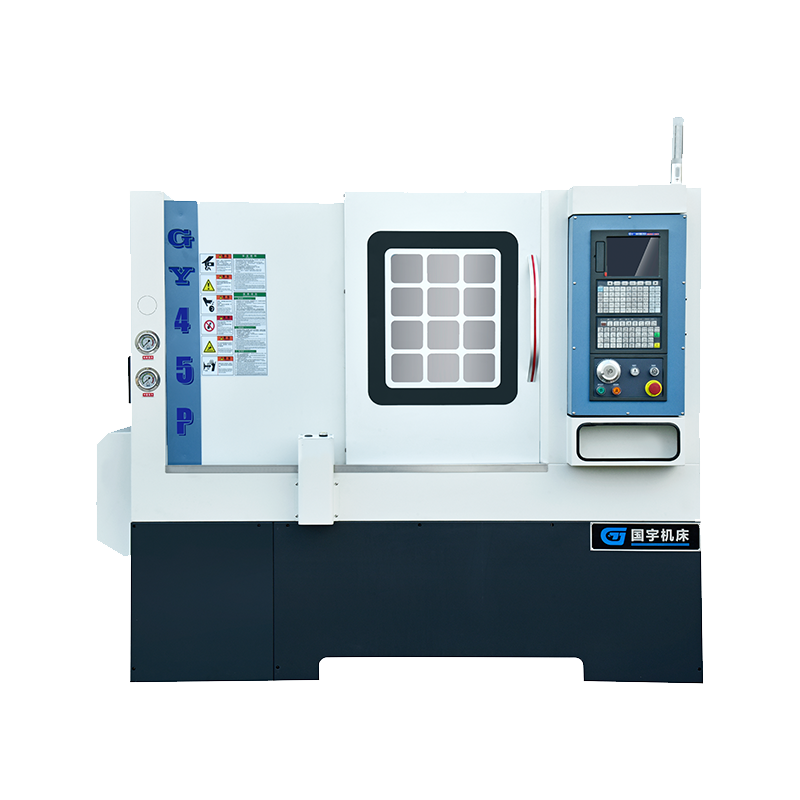
Technical Characteristics:Based on international advanced technology, the design of this machine too...
See DetailsOur team of digital and business experts will guide you to the right direction.
Let's Talk
Zhejiang Guoyu CNC Machine Tool Co., Ltd. relies on rich experience, professional technology and advanced methods to ensure the quality of its products, so that customers can enjoy more professional and thoughtful service.
 [email protected]
 +86-15356565970
 Xialiang Industrial Area, Luqiao District, Taizhou City, Zhejiang Province, China
Copyright © Zhejiang Guoyu CNC Machine Tool Co., Ltd. All Rights Reserved.