English
 中文简体
 русский
 Español


Technical Characteristics: The machine tool is a single-column vertical guideway structure. The colu...
See DetailsChoosing a CNC lathe supplier takes more than comparing machine features and prices. A CNC lathe sits inside a larger production process. It shapes workflow, product quality, delivery schedules and daily operating costs. When something goes wrong, the supplier's response decides how fast production gets back to normal.
After-sales support matters throughout the machine's working life. It covers installation guidance, operator training, maintenance advice, troubleshooting help, spare parts coordination and technical communication. These services teach buyers how to use and care for their equipment.
Suppliers differ here. Some run clear service procedures and give practical guidance. Others offer little help once the machine is delivered. Knowing the difference before you order lets you make an informed decision, and it helps you build a working relationship with a supplier that understands your production needs.
A CNC lathe is a long-term production asset. Its story doesn't end when the machine arrives at the workshop. Operators have to learn its functions, production teams have to set up working procedures and maintenance staff have to learn how to care for it.
After-sales support links the purchase decision to daily production. Without clear guidance, a company burns time learning basic operations or fixing problems that proper instruction would have prevented.
Picture a workshop setting up a new machining process. The machine works fine, but operators struggle with the controls, workholding arrangements or operating procedures. Access to the supplier's technical team clears up the confusion and cuts avoidable delays.
Support matters when production requirements change, too. A company starts processing a different component, brings in a new workpiece material or adjusts its workflow. The original machine still suits the job, but the team needs fresh guidance on setup, maintenance or operation.
A reliable support process gives buyers a clear way to ask questions and get relevant answers. It also shows which problems the team handles internally and which need qualified service personnel.
For businesses that depend on consistent machining, treat after-sales support as part of the purchasing decision. It isn't an optional extra.
After-sales support covers several areas. Find out exactly what the supplier's service arrangement includes. A general promise of assistance isn't enough.
Installation and setup guidance gets the machine ready for use. Depending on the agreement, it covers site preparation information, installation instructions, initial checks and help bringing the equipment into operation. Clear instructions prevent confusion in the early stages.
Operator training teaches employees the machine's controls, operating procedures and basic care. Training should fit the people who will use the equipment. Operators need practical demonstrations, while maintenance staff need information on routine inspection and fault reporting.
Troubleshooting assistance counts when unexpected behavior appears. The supplier should explain how customers report a problem and what information to provide: the symptoms, operating conditions, recent changes and any warning messages on the display.
Maintenance guidance helps users set up suitable care routines. It covers cleaning, lubrication, inspection and other procedures in the machine's documentation. Clear instructions tell employees what they're responsible for and which signs need further attention.
Spare parts support helps buyers identify the components needed for maintenance or repair. The supplier should explain how parts are identified, ordered and delivered, along with any availability conditions.
Not every purchase includes every service. The scope depends on the machine configuration, contract terms, location and the supplier's arrangements. Ask for a written description of the services provided and any additional charges.
An unexpected interruption hits more than the machine being repaired. A delay disrupts the next production stage, leaves employees waiting and threatens delivery commitments. The longer a problem stays unresolved, the harder it gets to hold the planned workflow.
After-sales support helps the production team find the cause of a problem and pick a sensible response. The supplier walks the customer through basic checks, explains relevant operating instructions or arranges further technical help when needed.
Clear communication matters most during troubleshooting. If the customer describes the symptoms accurately, the supplier has a better basis for understanding the situation. Photographs, warning messages, operating records and a note on recent changes all help explain what happened.
Remote guidance won't solve everything, though. Some faults call for an on-site inspection, qualified maintenance personnel or replacement parts. The supplier should explain the available service options and the steps for arranging further help.
Ask how service requests are handled. Important details include the contact method, service hours, response procedures, escalation process and the conditions for on-site support. A clear process lets staff act quickly when a machine stops working as expected.
Support can't prevent every interruption. Its value lies in helping the customer respond in an organized way, skip needless trial and error and know what happens next.
A CNC lathe has many functions, but employees must understand how those functions fit into their work. Without suitable training, operators rely on informal instructions or learn by repeating mistakes. That creates inconsistent working practices and makes problems harder to trace.
Training should match the machine and the customer's real production tasks. Operators need to know the normal operating sequence, relevant safety procedures, setup requirements and the right way to report unusual behavior. They also need to know which adjustments they're permitted to make and which tasks belong to authorized personnel.
Technical guidance matters just as much after the initial training. Employees forget instructions or meet situations the original session never covered. Accessible documentation and a clear contact channel let them ask for clarification when they need it.
Training also supports communication between teams. Operators, maintenance workers, production supervisors and purchasing staff often describe the same issue in different ways. Shared terminology and consistent reporting procedures help these groups exchange information clearly.
When evaluating a supplier, ask whether training is included, who conducts it and what materials come with it. Find out whether refresher guidance is available when new employees join or production requirements change.
A supplier doesn't take over the customer's responsibility to train employees and follow safe operating procedures. Still, practical instruction and continued technical assistance help the team build sound habits and run the equipment with more confidence.
Maintenance and repair often need replacement components. If the right part is hard to identify or obtain, a simple repair turns into a long one. That's why spare parts support belongs in the conversation before you buy a CNC lathe.
Ask how the supplier identifies parts for a specific machine. Clear part descriptions, equipment records and ordering instructions cut the chance of ordering the wrong component. The supplier should also explain how customers confirm compatibility before placing an order.
Availability needs careful attention. Some parts sit in stock, while others must be sourced or manufactured. Delivery depends on location, shipping conditions and the supplier's inventory. Don't assume every component is available right away.
Repair procedures matter too. The customer should know how to report a fault, whether remote diagnosis is offered and when an on-site visit becomes necessary. Clarify who arranges the work and how labor, travel, replacement parts and other costs are handled.
Documentation makes future maintenance easier. Keep machine identification details, service records, replacement part information and earlier repair notes. They let the customer explain the equipment's history when requesting help.
For workshops where one machine anchors production, identify critical replacement parts in advance. The decision should reflect the machine's role, the expected maintenance needs and the practical cost of holding spares.
A clear parts and repair process won't eliminate equipment faults. It prepares customers for them and removes uncertainty from the repair.
Claims about after-sales support only help when buyers know what they mean in practice. Skip broad descriptions. Ask specific questions and insist on clear answers.
Several areas deserve attention:
Communication channels: Can customers contact the supplier by email, telephone, or another agreed method? Is there a clear process for submitting technical questions?
Response arrangements: How are service requests acknowledged, assessed, and assigned? Are response expectations documented?
Technical resources: Does the supplier provide operating manuals, maintenance instructions, troubleshooting guidance, and relevant training materials?
Service coverage: Can the supplier support the customer's location? Are local service partners available, or must all assistance come from a central team?
Repair arrangements: What happens when remote guidance is insufficient? How are on-site visits organized, and what costs may apply?
Warranty terms: Which components and services are covered, what exclusions apply, and how should a warranty claim be submitted?
Long-term assistance: Can the customer obtain parts, documentation, and technical guidance after the initial warranty period?
Ask for examples of the supplier's service process too. A clear explanation of how a request travels from first report to diagnosis and resolution shows whether the arrangement works in practice.
References from existing customers add context, especially when those customers run similar equipment or have comparable production needs. Weigh any reference against the supplier's written service terms. It doesn't replace them.
Judge service capability against the customer's needs. A workshop with in-house maintenance staff needs a different level of support from a company that leans heavily on the supplier for technical help.
The goal is to find out whether the supplier can give the kind of help your business is likely to need.
Warranty coverage is a key part of the after-sales arrangement, but it isn't the same as ongoing technical support. A warranty sets the conditions under which certain faults, parts or services are covered. After-sales support includes help that falls outside those conditions.
Read the warranty terms carefully before confirming an order. The document should spell out the coverage period, included components, exclusions, claim procedures and the responsibilities of both parties. It should also say whether labor, travel, shipping and replacement parts are covered.
Some issues won't qualify for warranty service. Damage from improper operation, unauthorized modification, unsuitable maintenance or other excluded conditions is handled differently. Get the applicable terms in writing. Don't assume.
A service agreement adds clarity about support outside the warranty. It describes available maintenance services, technical assistance, inspection arrangements and any fees. Scope varies by supplier, so check which services are actually included.
Know what happens when the warranty expires. The supplier might keep offering technical support and spare parts, but terms and costs can change. Knowing this helps the customer plan for the equipment's longer working life.
Purchasing teams should coordinate with production and maintenance staff when reviewing these documents. A contract can look clear commercially and still leave practical questions unanswered for the people who run and maintain the machine.
Written terms reduce misunderstandings and give both parties a shared reference when a service request comes up.
Purchase price matters when selecting a CNC lathe supplier, but it doesn't capture every cost of owning and running the machine. Training, maintenance, replacement parts, repairs and production interruptions all add to the overall cost of ownership.
A lower-priced offer may come with only basic support, while another quotation includes training, installation help or extra service arrangements. Don't judge either by price alone. Understand what each quotation covers and which services cost extra.
A useful comparison starts with a clear list of requirements. The purchasing team identifies which services are essential, which are optional and which the workshop handles internally. Then each supplier explains how its proposal meets those needs.
Consider the cost of limited support as well. A workshop with experienced maintenance staff and established procedures handles many routine tasks itself. A business with less technical experience needs more guidance during installation, operation and troubleshooting.
The machine's intended use counts too. If production depends heavily on one CNC lathe, delays from unresolved faults hit operations harder. In that case a clear service process and suitable replacement parts deserve more weight in supplier selection.
Compare quotations on consistent terms. Check the machine configuration, included services, warranty coverage, spare parts arrangements and possible extra fees. Confirm that any verbal promises appear in the written agreement.
A well-informed purchase considers both the equipment and the support available throughout its use. Weigh these factors together, and you'll choose a CNC lathe supplier whose service arrangements fit your production needs, internal capabilities and maintenance plans.
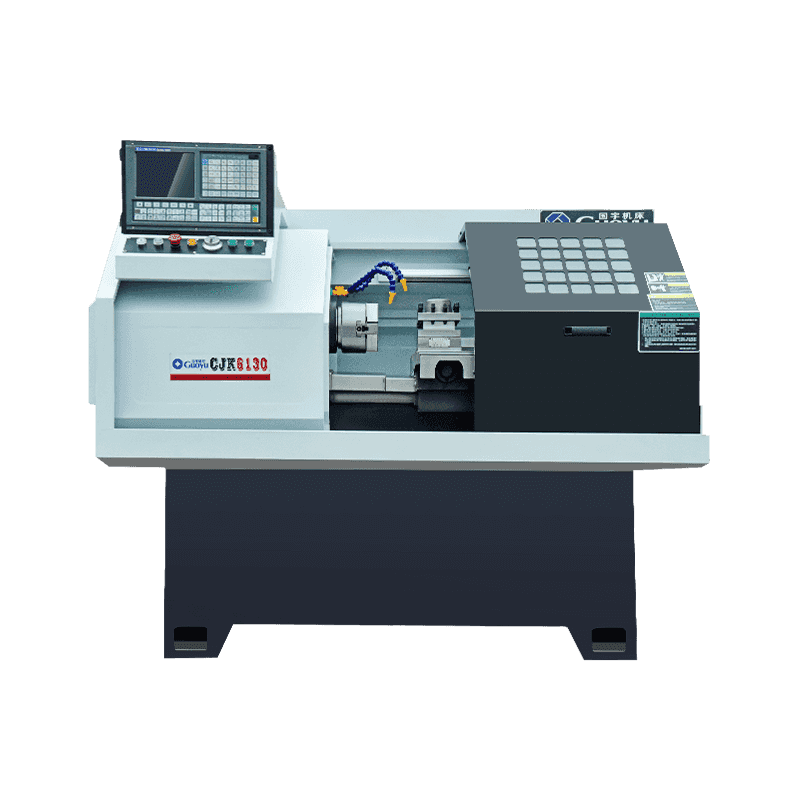
Technical Characteristics: The machine tool is a single-column vertical guideway structure. The colu...
See Details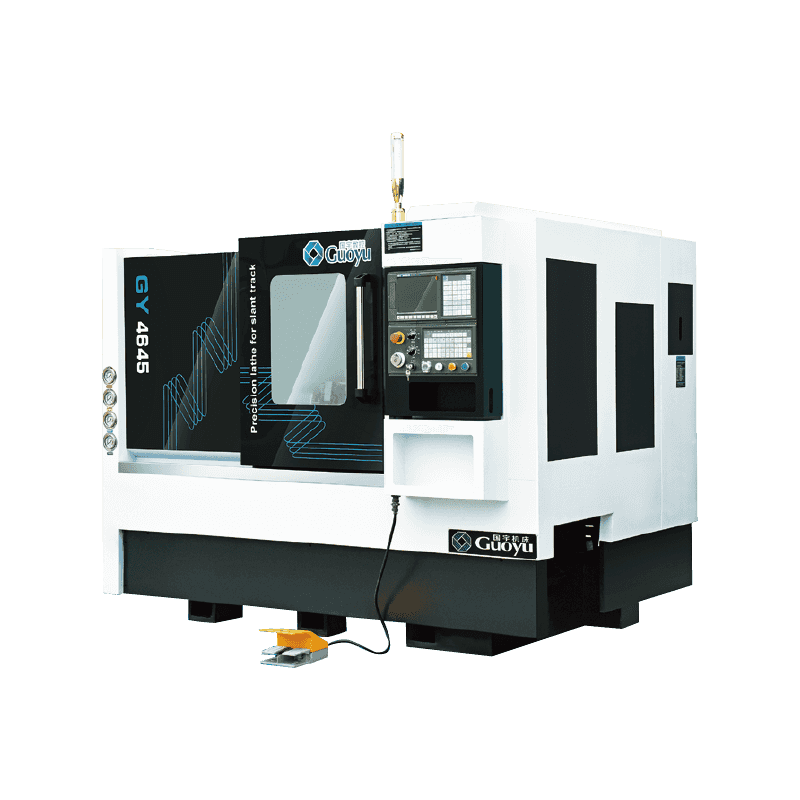
The Conjoined 35° Oblique Rail Cutter Tower Tail Seat Precision CNC Horizontal Lathe is a really pra...
See Details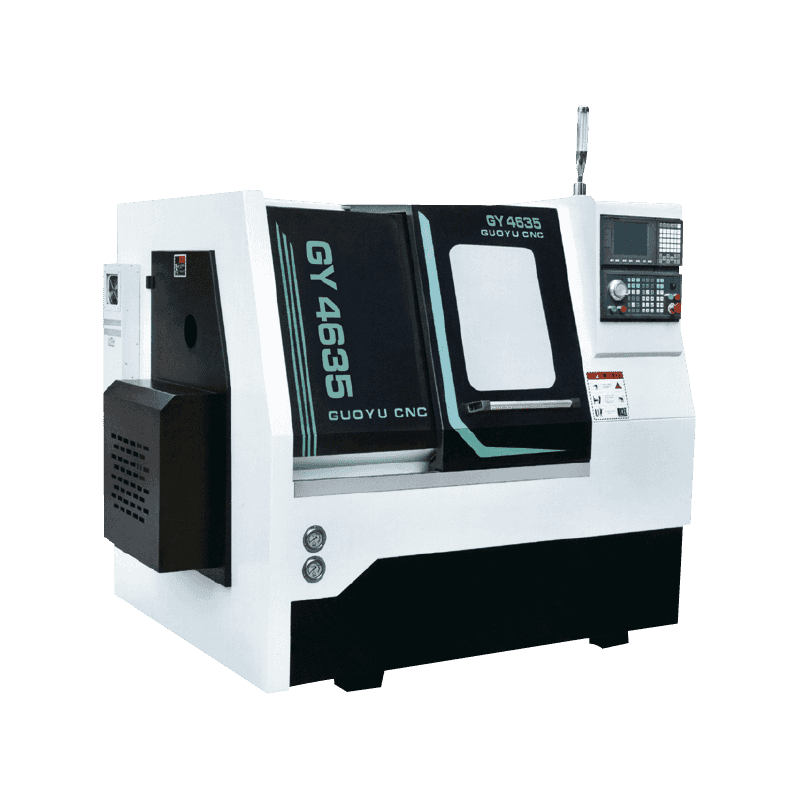
The Conjoined 45° Oblique Gauge Cutter Precision CNC Horizontal Lathe is a really practical turning ...
See Details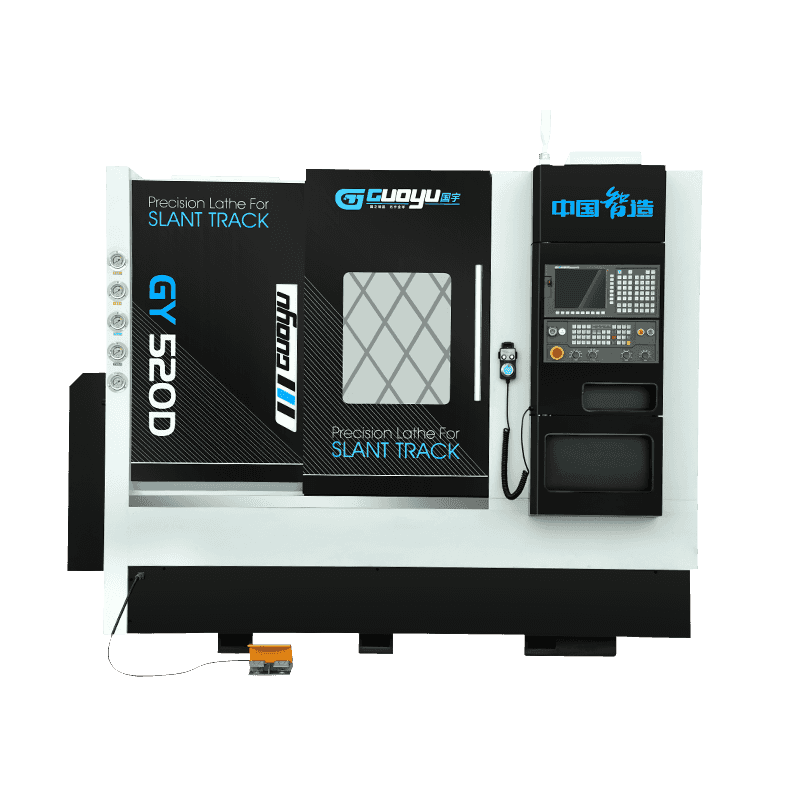
Technical Characteristics: The CNC machine tool for inclined beds adopts the domestic or imported hi...
See Details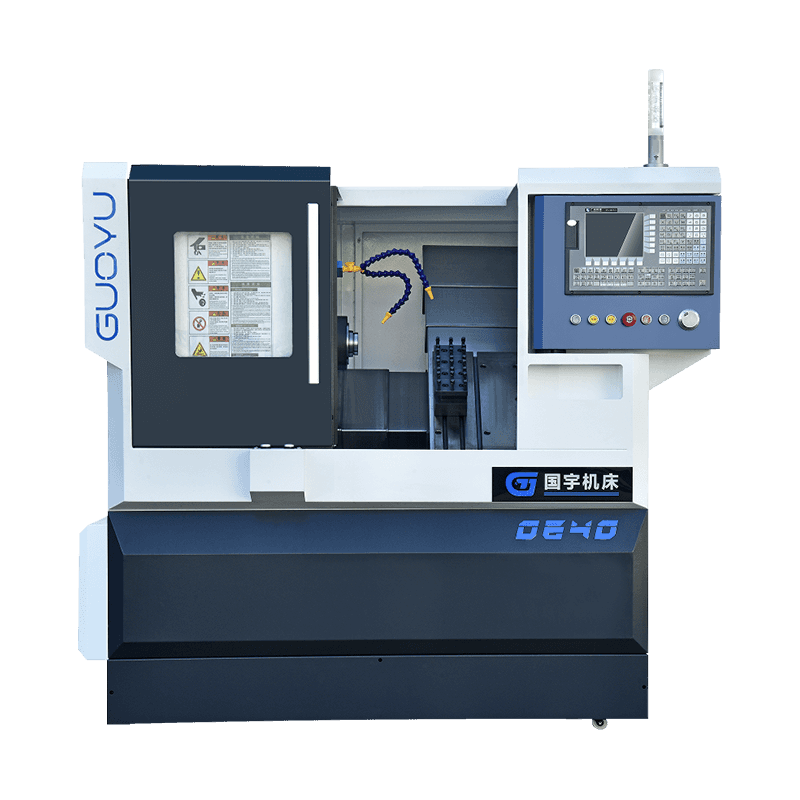
Introducing our Optional Control System CNC Lathe for Metal Processed, a sophisticated and reliable ...
See Details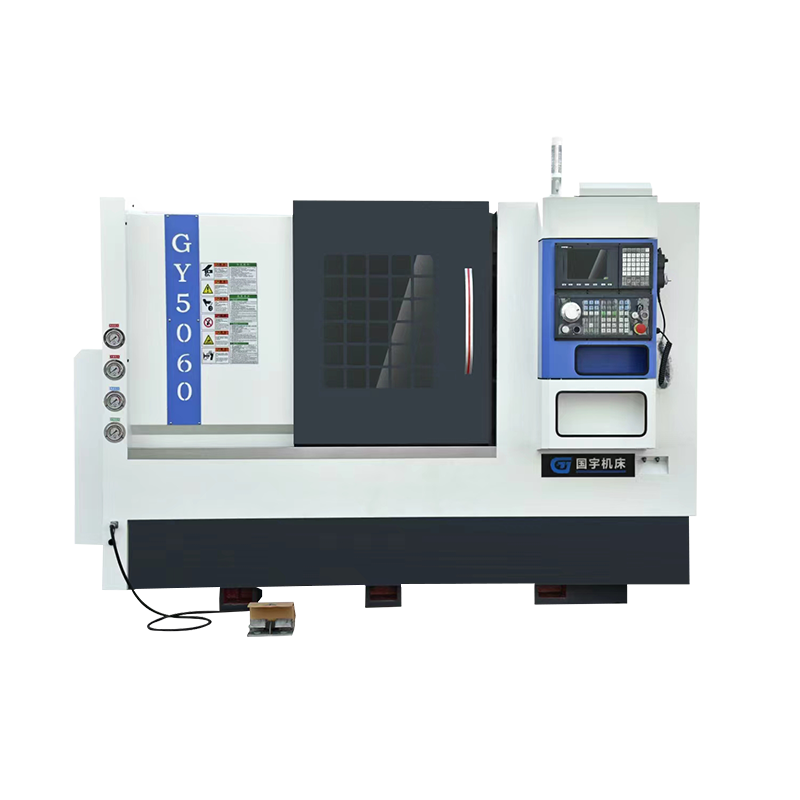
Technical Characteristics: All lathes are integrally cast with 250 materials to ensure processing ri...
See Details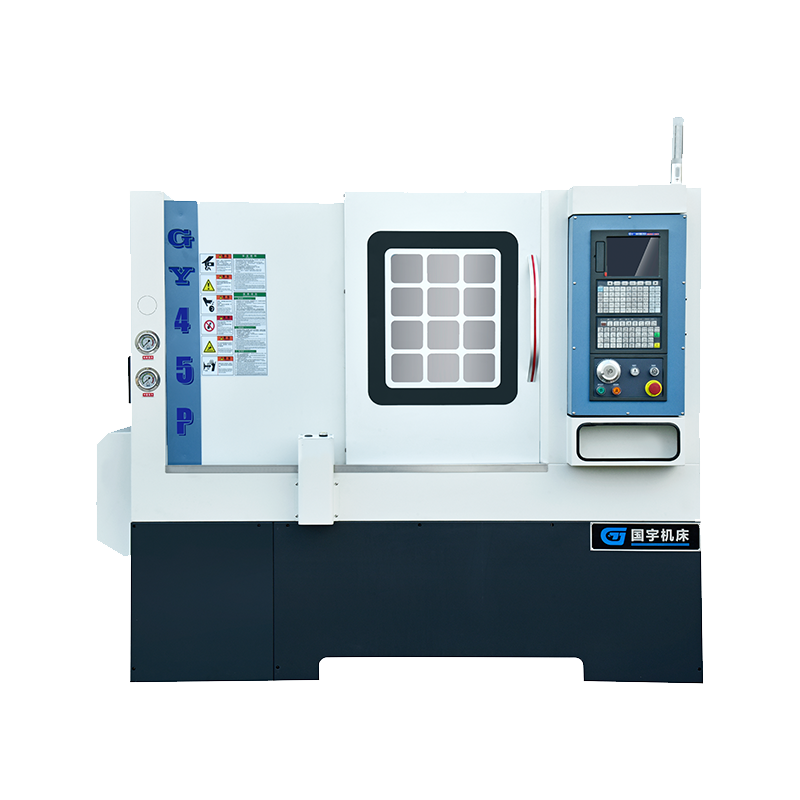
Technical Characteristics:Based on international advanced technology, the design of this machine too...
See Details
After-sales service commitment: 1. From the date of acceptance, the machine tool host is under warra...
See DetailsOur team of digital and business experts will guide you to the right direction.
Let's Talk
Zhejiang Guoyu CNC Machine Tool Co., Ltd. relies on rich experience, professional technology and advanced methods to ensure the quality of its products, so that customers can enjoy more professional and thoughtful service.
 [email protected]
 +86-15356565970
 Xialiang Industrial Area, Luqiao District, Taizhou City, Zhejiang Province, China
Copyright © Zhejiang Guoyu CNC Machine Tool Co., Ltd. All Rights Reserved.