English
 中文简体
中文简体 русский
 Español

Technical Characteristics: The CNC machine tool for inclined beds adopts the domestic or imported hi...
See DetailsModern manufacturing covers a huge range of parts, from big structural pieces down to tiny components that need to slot into something much larger. No matter the size, though, the shape and consistency of a part shapes how the whole finished product actually performs once it's in use.That's exactly where machining equipment starts to matter.
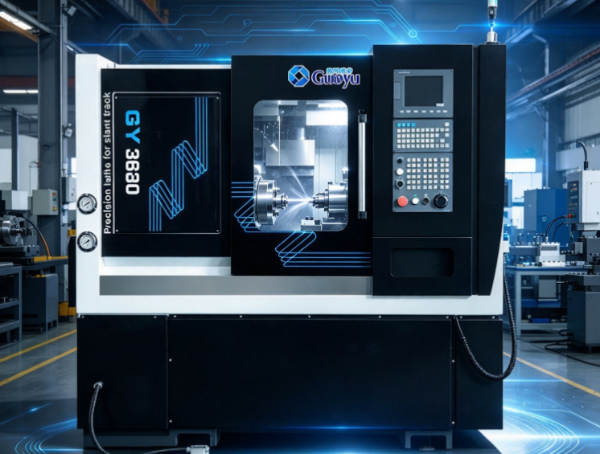
A high speed CNC lathe is a type of computer-controlled machining equipment built to shape rotating workpieces. It helps manufacturers produce parts with round, cylindrical, or similarly shaped forms. This equipment shows up across a lot of different production floors wherever repeatable machining and an organized workflow are actually needed.
The word "high speed" points to the machine's ability to run faster machining work when the production conditions actually support it. Speed isn't the only reason manufacturers reach for this kind of equipment, though. Product design, production planning, material handling, consistency, and whatever the specific application demands all shape how a CNC lathe actually gets used day to day.
Getting a handle on its practical applications helps manufacturers see exactly where a high speed CNC lathe fits into a modern machining process.
A CNC Lathe is mainly used to shape rotating materials into planned forms.
The machine works with a workpiece that rotates while cutting operations shape its outer or inner areas. The process can create different features depending on the product design.
This makes the equipment suitable for many parts that have circular or rotational structures.
Common uses can include:
The machine can also be part of a larger production line. After machining, parts may move to inspection, surface treatment, assembly, or packaging.
Its role therefore depends on the product.
A manufacturer producing simple round components may use the machine differently from a company making parts that need several machining operations.
The CNC control system allows production instructions to be organized in advance. This can help the machine repeat planned movements during production.
The overall purpose is not simply to make parts quickly. It is to create a controlled machining process that can support the needs of modern production.
Many parts used in manufacturing have some form of circular or rotational structure.
This makes CNC lathes useful in a wide range of applications.
A CNC Lathe may be used to produce shafts, pins, bushings, connectors, sleeves, fittings, and other components with suitable shapes. The exact product depends on the machine setup, material, and production requirements.
For manufacturers, this flexibility can be useful because one machining environment may support several related products.
For example, a manufacturer may produce a range of mechanical components for different customers. The parts may have different lengths, shapes, openings, or surface features. Even though the products are not identical, they may share a similar machining concept.
This can make CNC turning a practical part of the production process.
The equipment can also be used for parts that later become part of larger assemblies.
A shaft may become part of a machine. A pin may connect two components. A sleeve may support another part. A fitting may become part of a fluid or mechanical system.
The final application can therefore be very different, even when the basic machining process is similar.
| Part Type | Possible Production Role |
|---|---|
| Shafts | Used as connecting or rotating components |
| Pins | Used to connect or position parts |
| Bushings | Used between or around other components |
| Sleeves | Used as supporting or connecting parts |
| Fittings | Used in mechanical or fluid-related assemblies |
| Round components | Used across different manufactured products |
The ability to work with different product categories is one reason CNC lathes remain relevant to many machining operations.
Manufacturing orders can vary. A factory may need to produce a familiar component on a regular basis and then switch to another product.
This creates a need for production equipment that can fit different manufacturing plans.
A CNC Lathe can support different production needs by using planned machining instructions for different parts. The production team can prepare the machine according to the product being made and organize the workflow around the required machining operations.
This is useful for manufacturers that handle several product categories.
Production needs may include:
This flexibility can help manufacturers organize their resources.
However, production flexibility does not mean that every machine is suitable for every product. The machine must match the workpiece, product design, machining process, and factory workflow.
Manufacturers need to consider the complete production environment rather than looking at speed alone.
Production time matters in manufacturing.
When a factory needs to produce many similar parts, the time required for each machining operation can influence how the entire workflow is organized.
A CNC Lathe is designed to support faster machining work when the production conditions are suitable.
This can be useful for manufacturers that need to keep a steady flow of parts moving through the factory.
However, speed should not be considered separately from product requirements.
A part still needs to follow its planned shape and quality expectations. If the production process moves too quickly without proper planning, later inspection or finishing work may become more difficult.
For this reason, manufacturers often need to balance machining speed with the requirements of the product.
The practical value of speed can be seen in several areas:
The goal is to create a production process where the machine can work at a suitable pace while supporting the needs of the finished part.
This makes speed one part of a larger manufacturing decision.
CNC lathes can be found in many manufacturing environments because round and rotating components are used across many industries.
Machinery production is one common area. Machines often contain shafts, pins, sleeves, fittings, and other turned components.
Automotive-related manufacturing can also involve many rotational parts. These components may become part of larger assemblies.
Industrial equipment is another area where CNC turning can play a role. Equipment manufacturers may need different types of metal components for assembly and maintenance.
Other possible applications include:
The machine's role changes according to the application.
A manufacturer producing agricultural equipment may focus on different parts from one producing electrical products. The basic turning process may be similar, but the product requirements can be different.
This is why understanding the final application is useful when planning CNC machining.
The machine should be considered together with the part design and the wider production process.
Not every customer wants a standard component.
Some manufacturers need parts designed for a particular product or assembly. These parts may have unusual shapes or specific features that are not part of a common product range.
A High Speed CNC Lathe can be used as part of a custom machining process when the product design is suitable for turning.
Custom machining begins with a clear understanding of the required part.
The manufacturer may need to review:
Once these requirements are understood, the machining process can be planned around the product.
This can be useful for manufacturers that provide contract machining or support customers with specialized components.
Custom production can also help companies develop new products. Instead of relying only on existing components, product designers can create parts that match their assembly requirements.
The CNC lathe then becomes part of the process that turns the design into a physical component.
This connection between product design and machining can make CNC turning useful beyond standard mass production.
A CNC lathe rarely works alone.
Machining is usually one stage within a larger manufacturing process. Before turning begins, materials need to be prepared. After machining, parts may require inspection, cleaning, finishing, assembly, or packaging.
The machine therefore needs to fit into the complete workflow.
A typical process may look like this:
The exact arrangement depends on the product.
Some parts may require additional machining after turning. Others may move directly to inspection or finishing.
This makes workflow planning important.
A well-organized process can help workers understand where each product should move after machining. It can also make it easier to identify problems when a part does not meet the planned requirements.
The machine's position in the production line can also affect material handling.
If raw materials are difficult to move into the machine or finished parts cannot be transferred easily to the next stage, the overall workflow may become less organized.
Manufacturers should therefore consider the machine as part of the factory rather than as an independent piece of equipment.
Choosing a CNC Lathe involves several practical questions.
The right equipment depends on the products being made, the materials used, the production environment, and the expected workflow.
Manufacturers can begin by looking at the parts they actually need to produce.
A machine should fit the type of parts planned for production.
Different materials may require different machining arrangements and production considerations.
A factory with regular production needs may have different requirements from a workshop handling occasional custom orders.
If the manufacturer expects to produce different parts in the future, flexibility may become an important consideration.
The equipment should work with material preparation, inspection, finishing, and other production stages.
Installation, training, maintenance, and communication with the supplier can all influence the long-term use of the equipment.
These questions help manufacturers look beyond the idea of speed.
A High Speed CNC Lathe can be useful when its capabilities match the product and the production process. Its practical role comes from the relationship between machining, product design, workflow, and manufacturing needs.
As factories handle different parts and production orders, CNC turning can remain an important way to shape components with circular and rotational forms. The equipment can support regular production, different product groups, and suitable custom machining work while fitting into a broader manufacturing system.
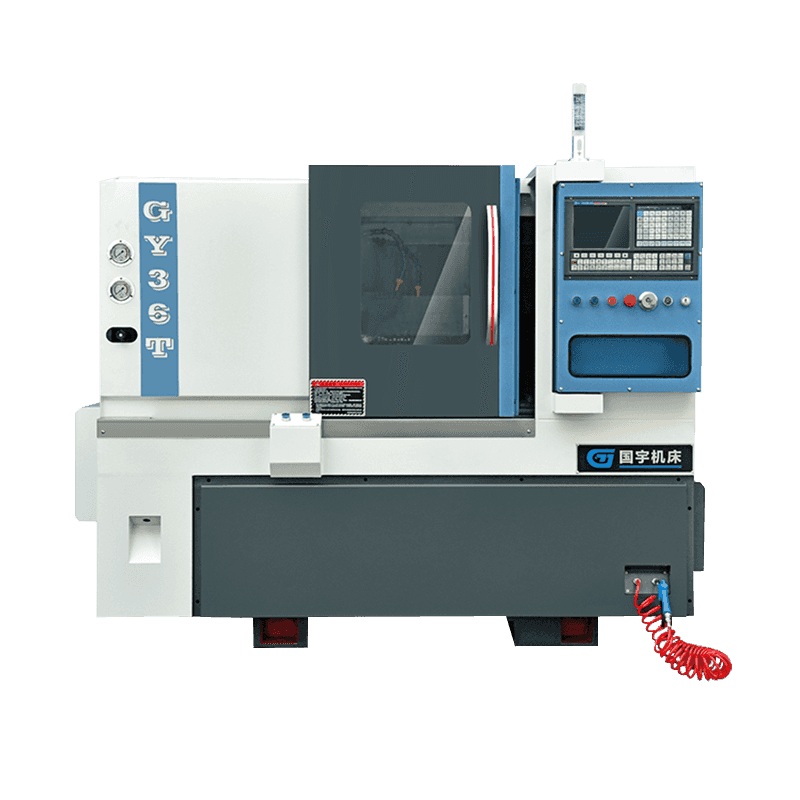
Technical Characteristics: The CNC machine tool for inclined beds adopts the domestic or imported hi...
See Details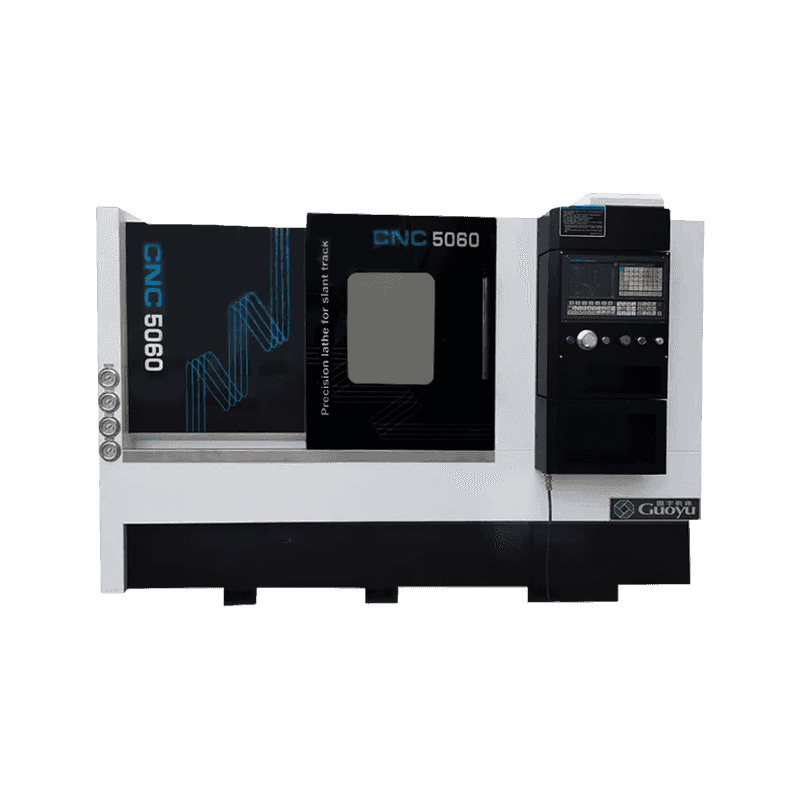
The Conjoined 35° Oblique Rail Cutter Tower Tail Seat Precision CNC Lathe is a really practical mach...
See Details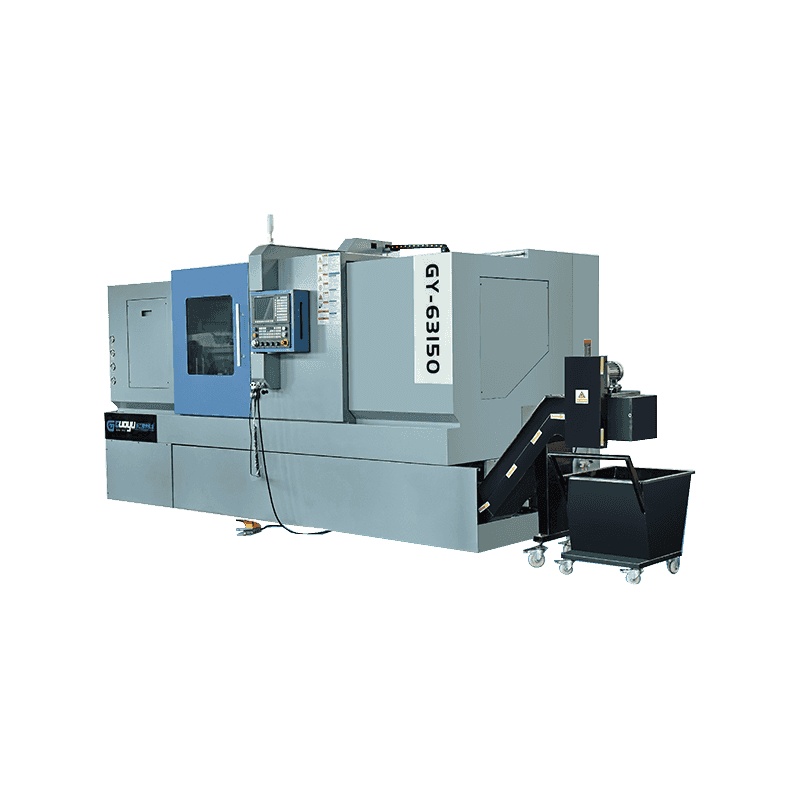
The Precision CNC Lathe With Programmable Tailstock For Connected Inclined Rail Tool Tower is just a...
See Details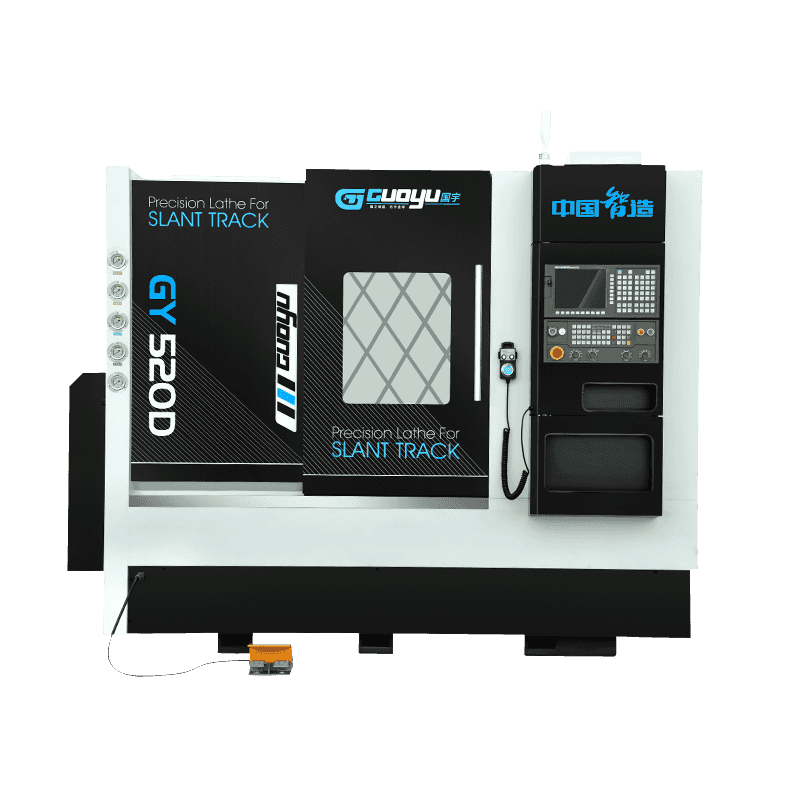
Technical Characteristics: The CNC machine tool for inclined beds adopts the domestic or imported hi...
See Details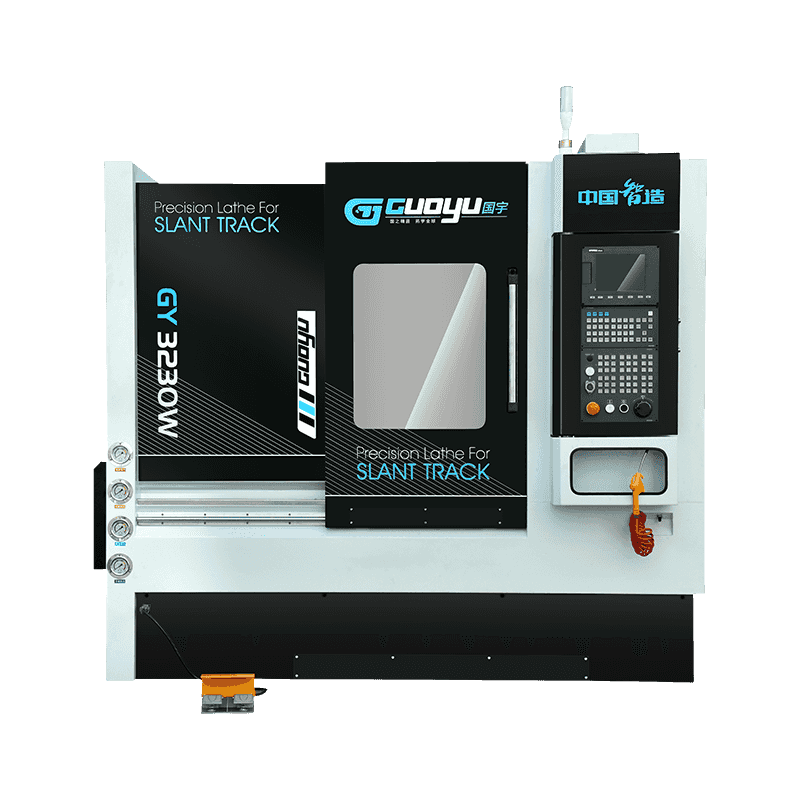
Technical Characteristics: The machine tool is of high precision, and the spindle is supported by hi...
See Details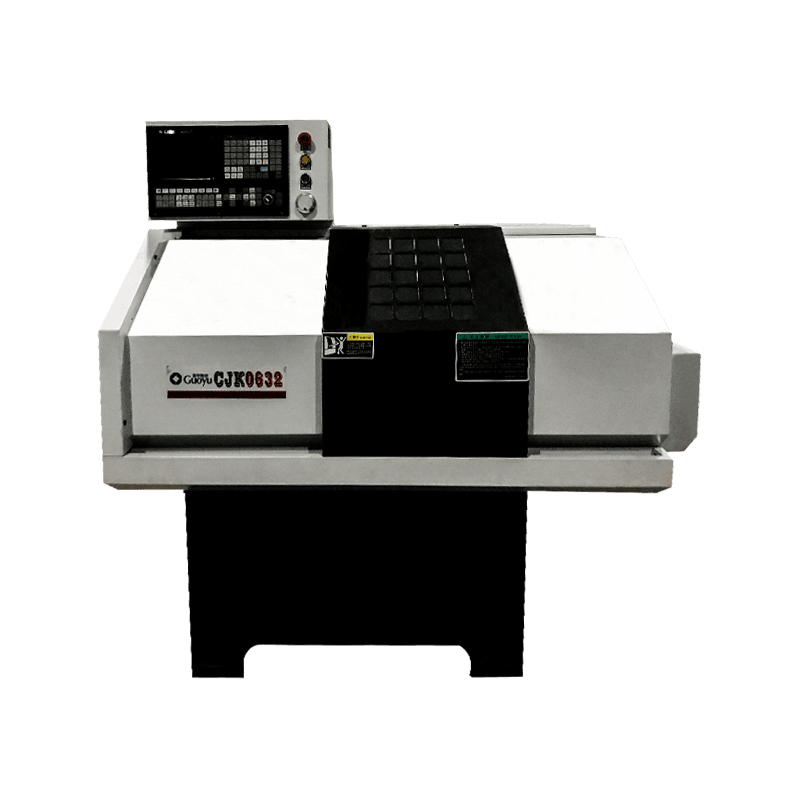
The Precision Line Rail Precision CNC Lathe is a completely practical machining choice if you want t...
See Details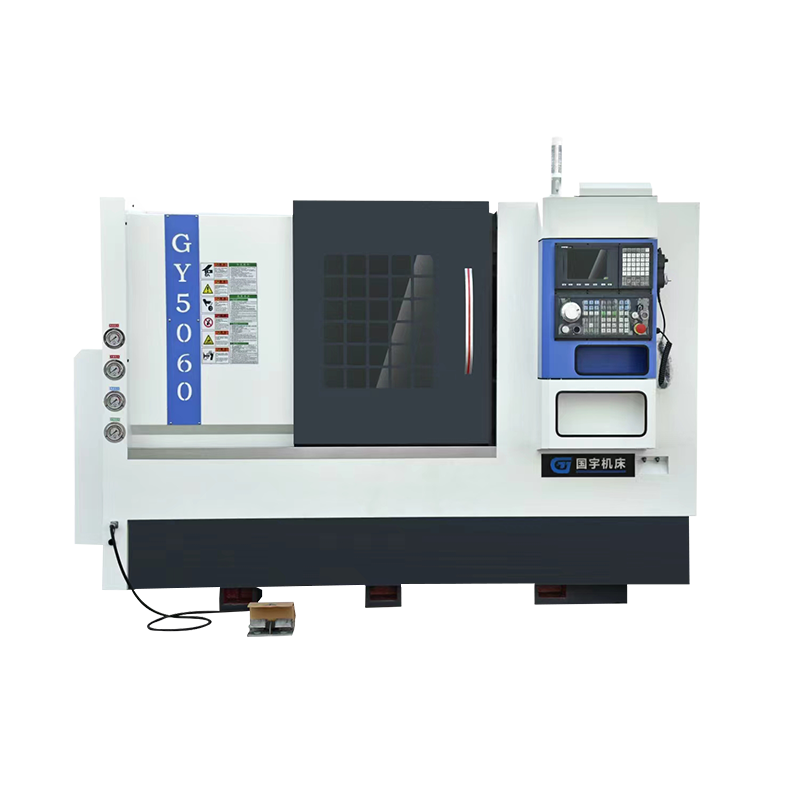
Technical Characteristics: All lathes are integrally cast with 250 materials to ensure processing ri...
See Details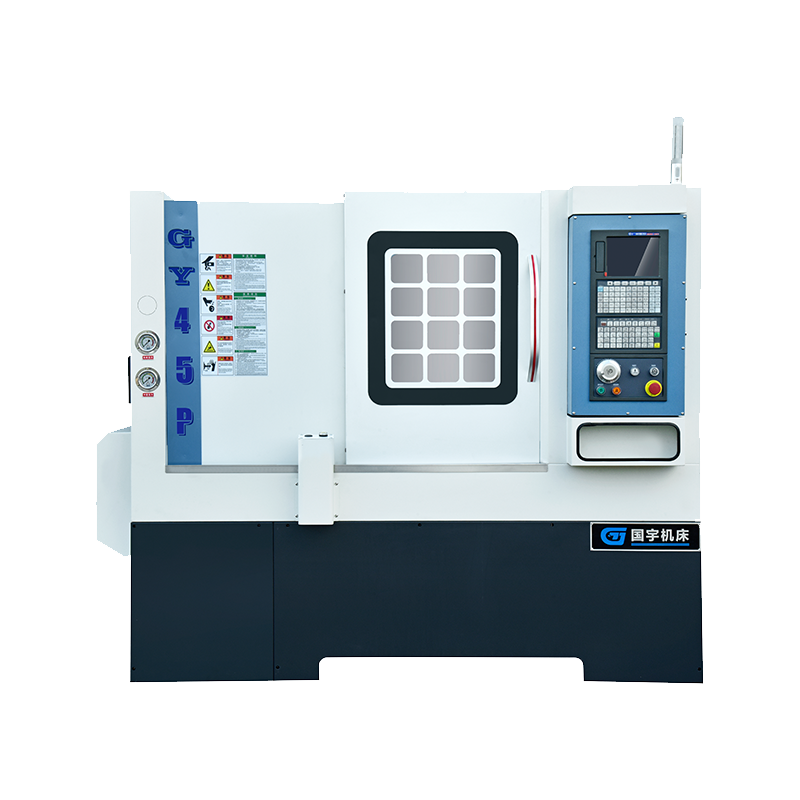
Technical Characteristics:Based on international advanced technology, the design of this machine too...
See DetailsOur team of digital and business experts will guide you to the right direction.
Let's Talk
Zhejiang Guoyu CNC Machine Tool Co., Ltd. relies on rich experience, professional technology and advanced methods to ensure the quality of its products, so that customers can enjoy more professional and thoughtful service.
 [email protected]
 +86-15356565970
 Xialiang Industrial Area, Luqiao District, Taizhou City, Zhejiang Province, China
Copyright © Zhejiang Guoyu CNC Machine Tool Co., Ltd. All Rights Reserved.