English
 中文简体
中文简体 русский
 Español

Technical Characteristics: It can cut all kinds of turning surfaces by bicycle, such as conical surf...
See DetailsA CNC lathe can follow a programmed tool path with consistent machine movement, much like a car following a set route on a GPS, but the final machining result depends on more than just the programmed shape sitting in the software. Cutting conditions influence how the tool meets the workpiece, how material actually gets removed, and how the finished part behaves once machining wraps up.
This is exactly why cutting parameters remain an important part of Precision CNC Lathe work on a real shop floor. The same machine and tool can produce genuinely different results when the cutting conditions change even slightly between runs. Surface appearance, dimensional stability, tool condition, chip formation, and machining time can all shift based on how a cutting operation gets arranged from the start.
For manufacturers, understanding this relationship helps connect machine settings with actual production results rather than treating them as separate concerns. It also gives buyers and engineers a clearer way to discuss machining requirements without looking at machine capability alone, since the numbers dialed into the controller matter just as much.
Cutting parameters are the operating conditions that describe how a cutting tool interacts with a rotating workpiece throughout an operation. They help determine how quickly material gets removed and how the cutting process behaves as the job progresses.
Several conditions commonly come into play when planning a turning process. These include cutting speed, feed movement, cutting depth, tool movement, and the overall relationship between the tool and workpiece as they interact.
| Cutting Factor | Main Influence |
|---|---|
| Cutting speed | Affects the interaction between tool and workpiece |
| Feed movement | Influences the amount of material removed along the tool path |
| Cutting depth | Determines how much material is removed in one pass |
| Tool movement | Affects the resulting shape and cutting behavior |
| Cutting sequence | Influences how machining work is distributed |
These factors don't work independently of each other, which is worth remembering. A change in one condition can affect the behavior of another almost immediately, which is exactly why cutting parameters need consideration as a group rather than as separate, isolated settings.
A High-Precision CNC Lathe can provide controlled movement throughout a job, but that control still needs suitable cutting conditions to actually deliver results. Machine capability and process planning work together to produce the intended outcome on the part.
The cutting tool stays in direct contact with the workpiece throughout machining, and the way this contact takes place affects everything happening at the cutting area itself. When cutting conditions suit the operation well, material gets removed in a genuinely controlled way.
When they don't match the workpiece, tool, or machining stage properly, the cutting process can become noticeably less stable. This can show up in several forms worth watching for: changes in surface appearance, unwanted tool wear, irregular chip formation, dimensional changes, cutting vibration, longer machining cycles, and greater variation between operations that should otherwise look similar.
These effects explain why cutting parameters stay closely connected with machining results even when everything else looks fine on paper. A programmed tool path may be entirely correct, yet the physical cutting process can still produce an unexpected outcome once the tool actually touches metal.
For a Precision CNC Lathe, parameter planning is therefore genuinely part of the machining process itself, rather than some adjustment tacked on after production problems already show up.
Cutting speed describes how quickly the cutting edge moves relative to the workpiece surface as it spins. It affects the amount of interaction taking place at the cutting area throughout the operation.
If the cutting condition doesn't suit the tool and workpiece combination, the cutting edge may experience unnecessary stress it wasn't designed to handle. This can influence tool condition and surface appearance over the course of an operation, sometimes gradually enough that nobody notices right away.
Cutting speed also carries a real connection with heat generated during cutting. The cutting area can become a lot more difficult to control when the selected condition doesn't match the material and tool combination sitting in the chuck.
| Change in Cutting Condition | Possible Result |
|---|---|
| Excessive cutting speed | Greater cutting stress or tool wear |
| Insufficient cutting speed | Less efficient material removal |
| Suitable cutting condition | More controlled cutting behavior |
The appropriate condition depends on the workpiece material, tool design, operation type, and machining stage at hand. A finishing operation may require a genuinely different approach from a roughing operation, simply because the purpose of the cut itself differs between the two.
Feed movement determines how the tool progresses along the workpiece during cutting, almost like how fast a pen moves across paper affects the line it leaves. It has a direct relationship with how the cutting edge interacts with the surface at every point.
A change in feed can affect the appearance of the machined surface noticeably. It can also change the amount of material removed during each movement of the tool as it travels.
When feed movement doesn't suit the operation well, several issues may appear at once. The surface may become less consistent, cutting forces may shift, and the tool may experience a genuinely different workload than expected.
Feed planning should therefore reflect the actual purpose of the machining operation rather than following habit. Rough machining generally focuses on removing unwanted material efficiently, while finishing work focuses more closely on the final shape and surface condition sitting underneath the tool.
Using the same cutting approach for both stages can make process control a lot more difficult than it needs to be. A High Precision CNC Lathe provides controlled feed movement throughout, but the selected feed condition still needs matching to the actual operation being run.
Cutting depth determines how much material the tool removes during a single pass across the workpiece. It affects the amount of contact between the cutting edge and the workpiece at any given moment.
A deeper cut can remove more material during a single movement, but it can also place greater demand on the cutting system as a whole. A lighter cut changes the cutting load and may suit a later machining stage better than a heavy initial pass.
The choice is therefore genuinely connected with the machining sequence unfolding across the job.
| Machining Stage | General Cutting Focus |
|---|---|
| Material removal | Managing the amount of material removed |
| Intermediate machining | Bringing the workpiece closer to its intended shape |
| Finishing | Controlling the final surface and form |
Cutting depth shouldn't get viewed as some isolated value sitting on its own. It works together with feed movement, cutting speed, tool condition, workpiece material, and machine stability all at once.
This relationship matters especially when machining parts with several different features packed together. Each feature may require a different cutting approach depending on how much material actually remains at that stage.
Tool wear is a natural part of machining, much like tire tread wearing down over thousands of miles, but cutting conditions can genuinely influence how quickly the tool changes during use. The cutting edge experiences repeated contact with the workpiece throughout the job.
Heat, cutting force, material properties, and continuous movement all contribute to the working conditions surrounding the tool at any given moment. If cutting conditions create unnecessary stress, the tool may wear a lot faster than it otherwise would.
This can gradually affect the machining process in ways that build up over time. A worn tool may change the way material gets removed, and it can also influence surface appearance and dimensional results as it degrades.
For this reason, tool condition and cutting parameters should really get considered together rather than separately. Manufacturers may monitor changes in the appearance of the machined surface, changes in the shape of the cutting edge itself, increasing signs of vibration during cutting, differences between earlier and later machining results, and changes in the way chips leave the cutting area.
These observations can provide genuinely useful information about whether the selected cutting conditions remain suitable for the job at hand.
Surface finish ties closely to the movement of the cutting tool across the workpiece as it travels. The tool leaves a pattern as it moves along the machined surface, and the cutting conditions influence exactly what that pattern looks like once the cut finishes.
Feed movement, tool condition, cutting depth, and cutting speed can all affect the final appearance together. The relationship becomes a lot more noticeable during finishing operations, simply because the remaining material is smaller and the final surface receives closer attention from everyone involved.
Vibration can also affect the surface in ways that show up as visible marks. If the cutting process becomes unstable, repeated movement may leave marks on the workpiece that weren't there in earlier passes.
A useful way to examine the situation is separating the possible causes from each other.
| Surface Issue | Possible Cutting-Related Cause |
|---|---|
| Uneven appearance | Changing tool movement |
| Visible cutting marks | Feed or tool condition |
| Irregular surface pattern | Unstable cutting |
| Changes during a production run | Tool wear or changing conditions |
This doesn't mean every surface problem traces back to cutting parameters alone. Workholding, tool geometry, machine condition, and material behavior can also affect the result just as much.
Still, cutting conditions remain an important part of the investigation whenever surface results start changing unexpectedly.
Different materials respond quite differently to cutting, the same way cutting through butter feels nothing like cutting through frozen meat. Some materials can be removed smoothly with little fuss, while others place noticeably greater demands on the cutting edge.
Material behavior affects how the tool interacts with the workpiece at every point in the cut. It can influence cutting resistance, chip formation, heat generation, and tool wear all at once.
This means a cutting condition suitable for one workpiece can't automatically transfer over to another material without adjustment. Manufacturers may consider material hardness, material structure, workpiece shape, amount of material to remove, required surface condition, and machining stage before settling on an approach.
The workpiece shape also matters quite a bit here. A simple cylindrical section may behave quite differently from a part with narrow sections, grooves, shoulders, or other changing features scattered across its length.
A Precision CNC Lathe can handle different machining tasks without much trouble, but process planning still needs to account for the physical behavior of each workpiece coming through the door.
Dimensional results depend on the relationship between programmed movement and actual material removal happening in real time. Cutting conditions can influence this relationship through tool wear, cutting force, heat, and machine movement working together.
When the cutting process stays stable, the tool can follow its intended path a lot more consistently from start to finish. If the cutting load changes significantly partway through, the physical behavior of the machining system may shift as well.
This matters particularly when a part contains several machining stages stacked one after another. A roughing operation removes a larger amount of material in one go, while a later operation works with a genuinely different surface and remaining shape.
The cutting conditions need to reflect these changes as the job progresses through its stages. Dimensional variation may also appear as the tool changes during repeated machining across a batch of parts.
Monitoring the relationship between cutting conditions and finished dimensions can help manufacturers identify exactly when a process needs adjustment before problems pile up. This approach proves a lot more useful than treating dimensional variation as a problem that only exists at the inspection stage, well after the damage is done.
Poorly matched cutting conditions don't always create an immediate failure right out of the gate. Sometimes the effects develop gradually as the operation continues running, almost sneaking up on the operator.
A tool may begin wearing faster than expected. The surface may slowly change in appearance. Chips may become more difficult to manage as they form differently, and the machining process may also require a lot more attention from the operator watching over it.
Several issues can occur together in a cascade.
| Process Change | Possible Effect |
|---|---|
| Cutting load increases | Greater demand on the tool |
| Tool movement becomes less stable | Surface changes may appear |
| Tool wears during production | Machining results can shift |
| Material removal becomes inconsistent | Additional processing may be needed |
These effects show clearly why parameter planning should happen well before the machining cycle even begins. The aim isn't simply making the machine move faster or remove more material per pass.
The cutting conditions need to support the intended machining result while working within the genuine capabilities of the tool, machine, and workpiece all at once.
A machining process often includes several stages, and each one carries a different purpose worth respecting. Roughing focuses on removing material and creating a workable shape to build from.
Intermediate operations continue developing the part geometry further. Finishing focuses more closely on the final surface and form that the customer will actually see.
Because the goals shift between stages, the cutting approach may also need to shift alongside them. A roughing operation, for example, may use conditions designed around controlled material removal above all else.
A finishing operation may place greater attention on tool movement and surface appearance instead. Thinking about the process as a sequence helps prevent one set of conditions from getting applied blindly without considering the actual purpose of that particular operation.
For a High-Precision CNC Lathe, this staged approach can also make programming and process evaluation genuinely easier, because each machining step carries a clear role within the larger job.
Cutting conditions should get evaluated through what actually happens during machining, not just what looks good in a spreadsheet. A parameter may appear suitable during planning but behave quite differently once the tool actually begins cutting the workpiece.
Manufacturers can observe several practical results throughout production. Surface condition deserves a look for changes in the appearance of machined areas, comparing results across different operations run back to back.
Tool condition is worth monitoring to see whether changes in the cutting edge affect later machining operations. Dimensional behavior also needs to be checked to confirm that finished features remain consistent throughout the process from one part to the next.
Cutting stability deserves attention for any unusual vibration, movement, or changes in cutting behavior showing up mid-cut. Material removal is worth considering to see whether the selected conditions suit the amount and type of material actually being removed.
These observations create a direct connection between cutting parameters and production results that's hard to fake. They can also help distinguish a genuinely cutting-related issue from problems caused by workholding, tooling, programming, or machine condition instead.
The same evaluation approach can prove useful when reviewing a High Precision CNC Lathe for a new production task coming down the pipeline. Machine capability provides the foundation underneath everything, while suitable cutting conditions determine how that capability actually gets used during material removal.
Machining results can change even when the program itself remains exactly the same as before. Tool condition, workpiece material, machine condition, and cutting conditions can all shift the way an operation behaves without anyone touching the code.
When a familiar process begins producing genuinely different results, reviewing the cutting conditions can therefore provide real, useful information. The review doesn't need to focus on one setting alone in isolation.
It's a lot more useful to consider the relationship between cutting speed, feed movement, cutting depth, tool condition, workpiece material, and machining stage together as a group. This broader view can help identify whether the process is placing too much demand on the tool, removing material in an unsuitable way, or creating unstable cutting behavior somewhere along the line.
For manufacturers using a Precision CNC Lathe, cutting parameters are therefore genuinely part of the connection between machine movement and the physical result showing up on the workpiece. Understanding that connection allows process teams to adjust machining conditions based on observed results, rather than relying only on the programmed tool path sitting untouched in the controller.
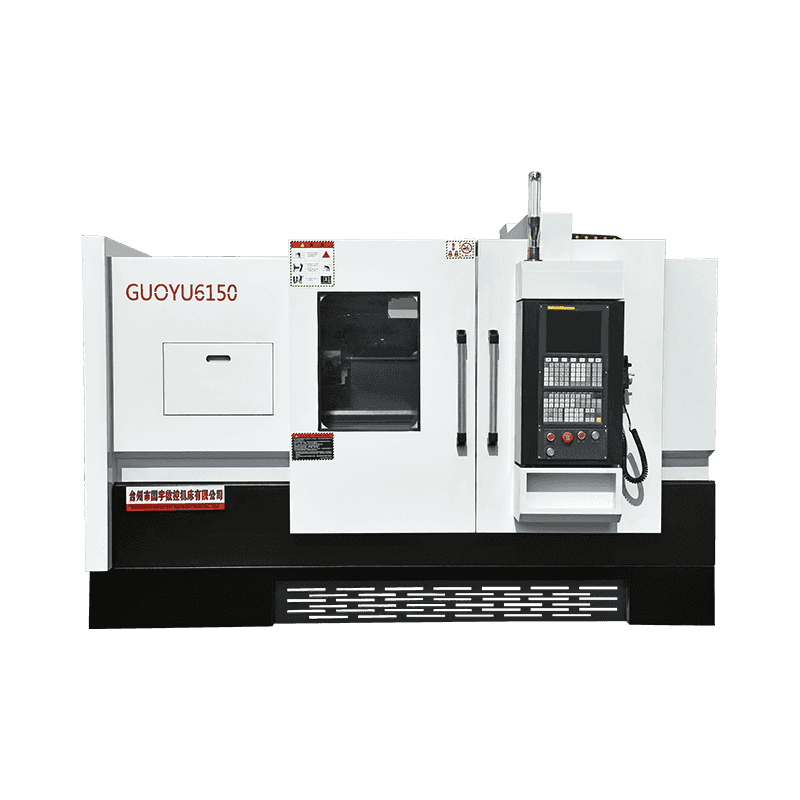
Technical Characteristics: It can cut all kinds of turning surfaces by bicycle, such as conical surf...
See Details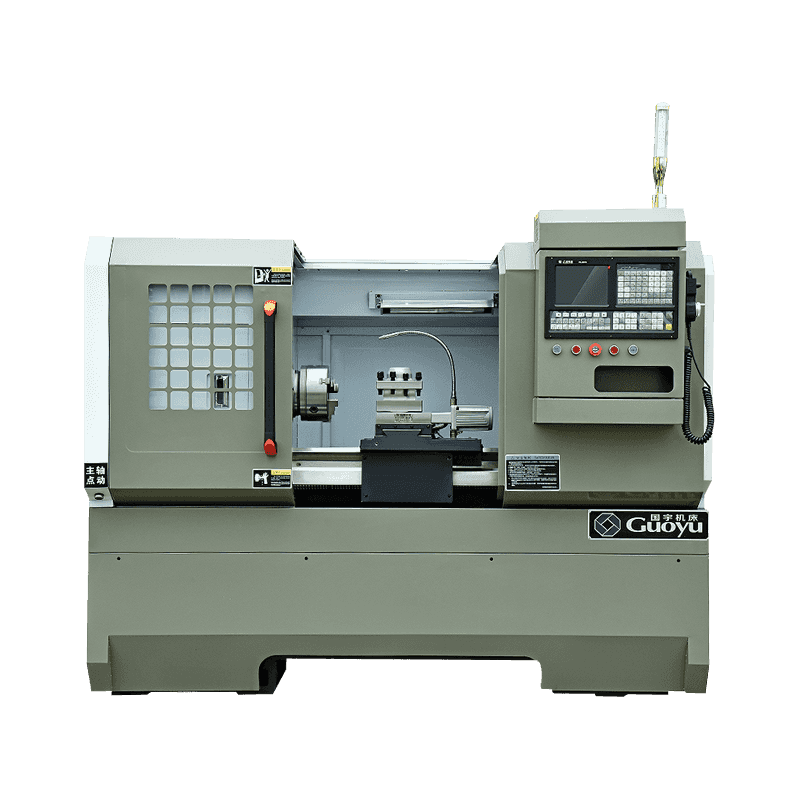
Technical Characteristics: It can cut all kinds of turning surfaces by bicycle, such as conical surf...
See Details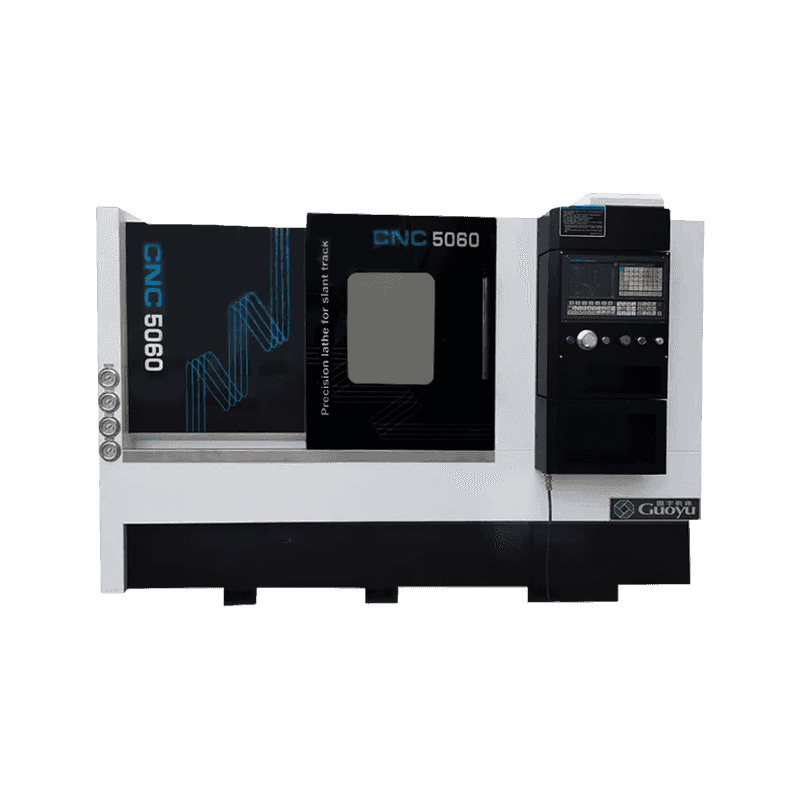
The Conjoined 35° Oblique Rail Cutter Tower Tail Seat Precision CNC Lathe is a really practical mach...
See Details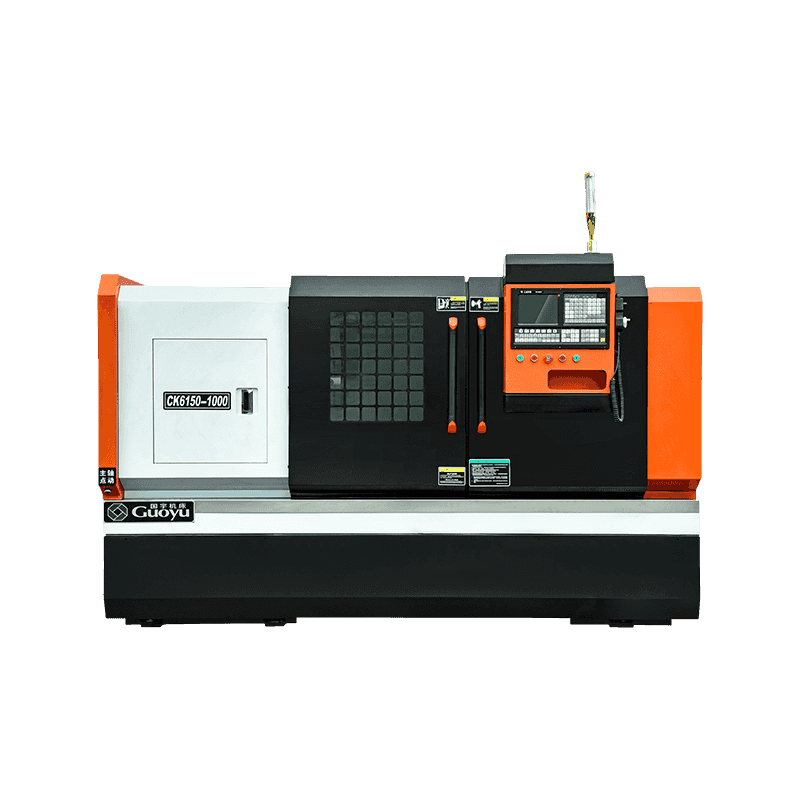
The Heavy Cutting Hard Guideway CNC Lathe For Metal Cutting is a really tough, heavy-duty machining ...
See Details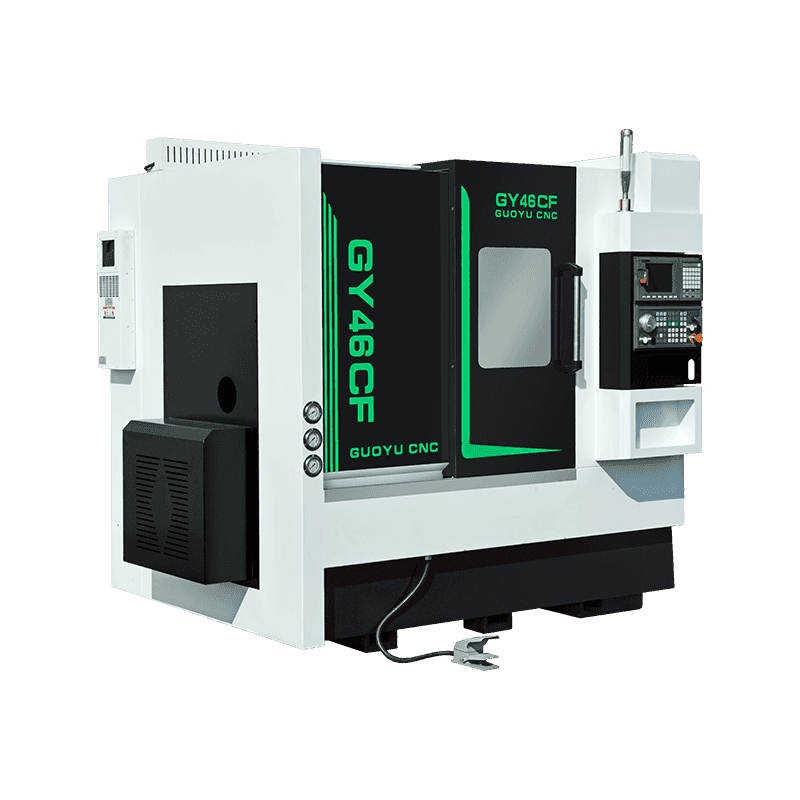
The 4+4 Type Precision CNC Lathe With Conjoined Oblique Rail Cutter Tower is a really practical, mul...
See Details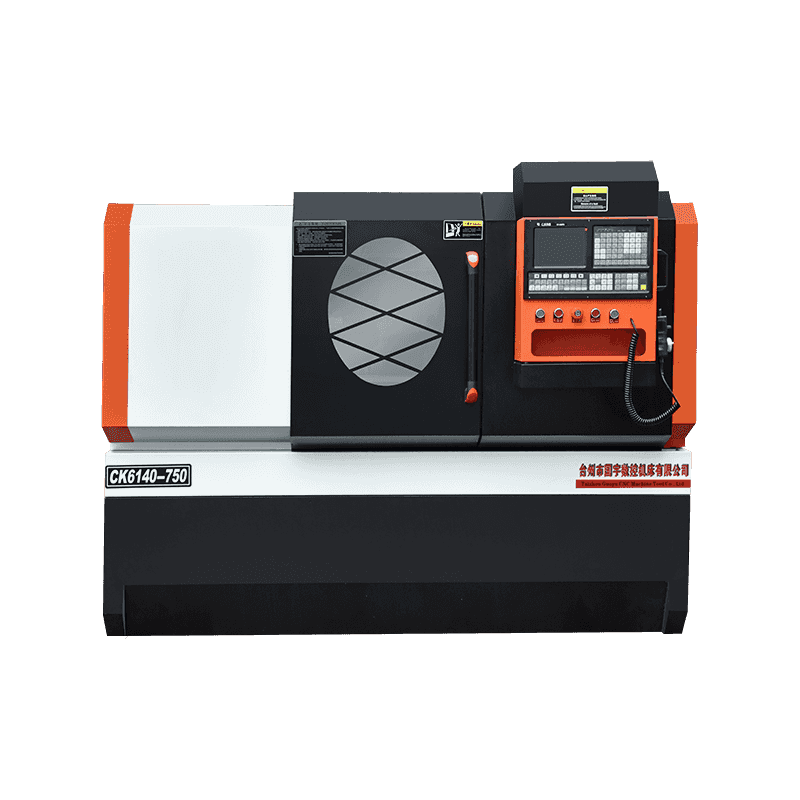
Technical Characteristics: It can cut all kinds of turning surfaces by bicycle, such as conical surf...
See Details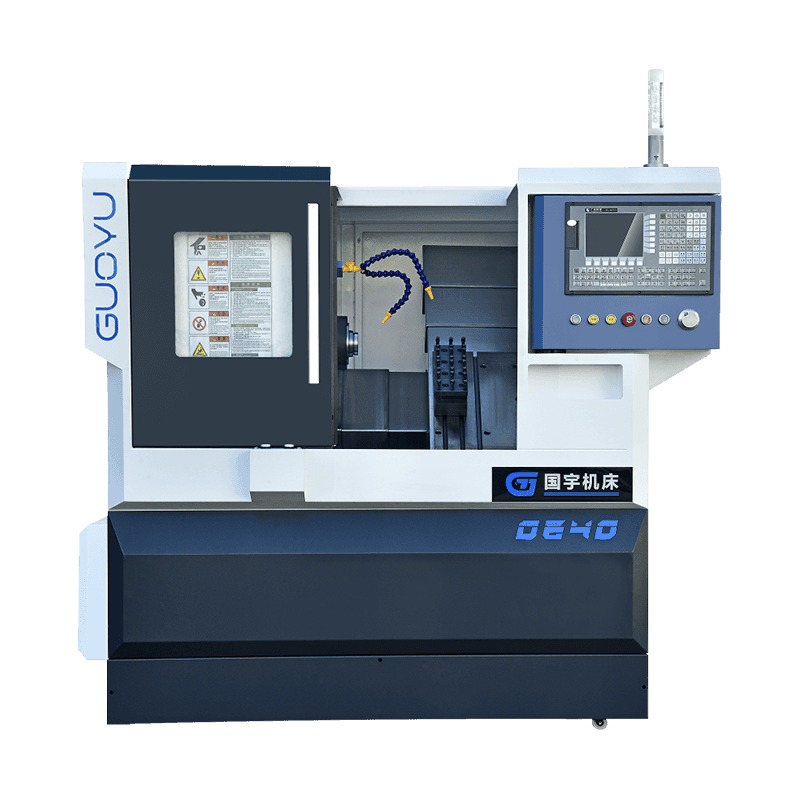
Introducing our Optional Control System CNC Lathe for Metal Processed, a sophisticated and reliable ...
See Details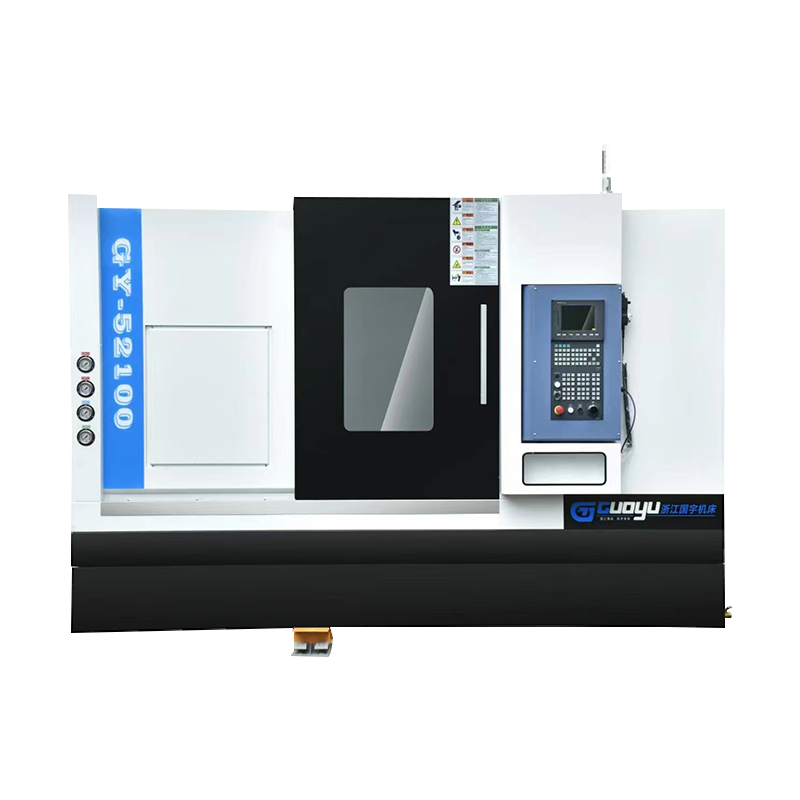
Technical Characteristics:Line Rail CNC lathes are integrally cast with 250 materials to ensure proc...
See DetailsOur team of digital and business experts will guide you to the right direction.
Let's Talk
Zhejiang Guoyu CNC Machine Tool Co., Ltd. relies on rich experience, professional technology and advanced methods to ensure the quality of its products, so that customers can enjoy more professional and thoughtful service.
 [email protected]
 +86-15356565970
 Xialiang Industrial Area, Luqiao District, Taizhou City, Zhejiang Province, China
Copyright © Zhejiang Guoyu CNC Machine Tool Co., Ltd. All Rights Reserved.