English
 中文简体
中文简体 русский
 Español

Technical Characteristics: The CNC machine tool for inclined beds adopts the domestic or imported hi...
See DetailsA machine shop takes on an order for several hundred identical brackets, and by the fiftieth piece, a machinist running the job by hand starts noticing tiny variations creeping in — a slightly different diameter here, a rougher surface finish there. Fatigue and human variation are part of manual work, no matter how skilled the operator. That's the exact gap a CNC lathe is built to close.
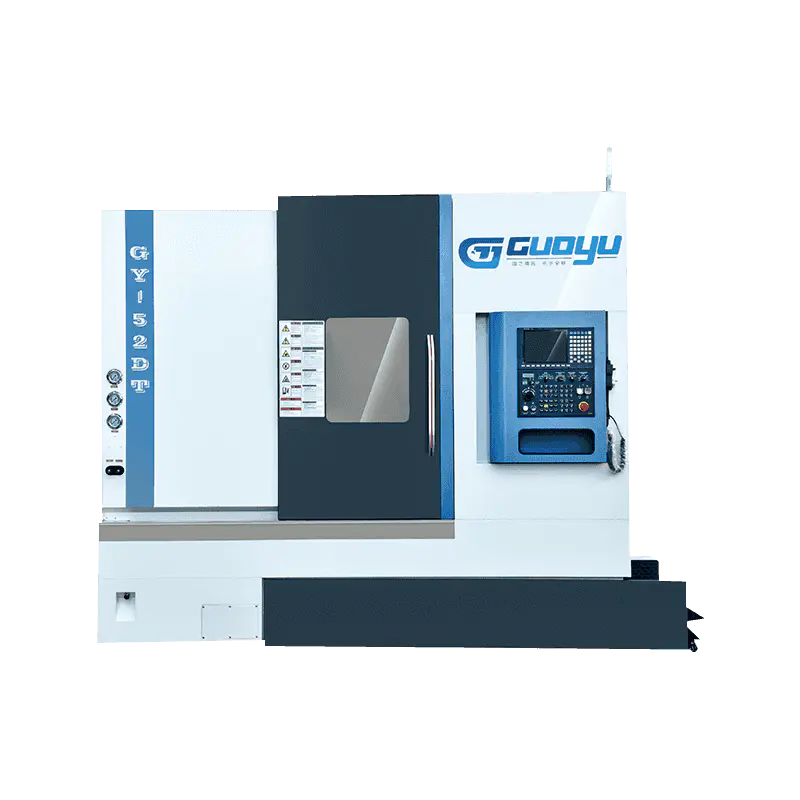
A CNC lathe shapes metal by spinning a workpiece against a cutting tool, guided entirely by programmed instructions rather than a hand on a dial. That shift from manual control to computer-based instructions changes more than just precision — it changes how the whole job gets planned and tracked.
An operator working with this kind of machine spends time preparing instructions, watching how the run progresses, and checking finished parts against spec, rather than manually adjusting cuts one at a time throughout the day.
| Manufacturing Approach | Production Characteristics |
|---|---|
| Manual machining | Depends heavily on the operator's hand, judgment, and stamina during each cut |
| CNC machining | Follows programmed instructions that repeat the same motion consistently |
| Modern CNC systems | Pairs automation with the flexibility to switch jobs without a full manual reset |
A shop juggling several small orders in the same week benefits from this shift directly, since reprogramming a machining sequence takes far less setup time than retraining a manual process for each new part.
The real shift with CNC lathes isn't just that the machine cuts metal faster. It's that the work itself gets reorganized around planning and oversight rather than constant hands-on adjustment.
Once a machining process is programmed and tested, the lathe can run through repeated operations without someone standing over it correcting every pass. That frees up time for the kind of work that actually needs a person's judgment — inspecting finished parts, catching early signs of tool wear, or adjusting a process before a bigger batch reveals a mistake.
Switching jobs used to mean a lengthy reset of tooling and setup. With programmable instructions, adjusting a machining sequence for a new part specification takes noticeably less preparation, which matters for shops that don't run the same job for weeks at a stretch.
Digital design files also connect more directly to the machining process itself, cutting down on translation errors that used to happen when a design got handed off from drafting to the shop floor and reinterpreted along the way.
Automation in metalworking isn't really about removing people from the process — it's about changing what people spend their time doing. A lathe running the same cut a few hundred times in a row does it the same way each time, which cuts down on the kind of part-to-part variation that shows up naturally when a person repeats the same motion manually for hours.
Workers on a CNC-equipped shop floor tend to focus more on setup, watching how a run is going, keeping the machine maintained, and checking finished work rather than making every individual cutting decision themselves. That knowledge is still central to getting good results — the machine follows instructions, but someone still has to write good instructions and catch problems the machine itself won't flag.
This pairing of programmed consistency with human oversight is what actually makes automated machining reliable in practice, rather than just fast.
Shops don't invest in CNC lathes for their own sake — they do it because the equipment solves specific, recurring production problems.
| Benefit | Production Impact |
|---|---|
| Process consistency | Keeps repeated parts closer to identical across a full production run |
| Flexible operation | Lets a shop switch between different part designs without a full manual overhaul |
| Reduced manual workload | Frees workers to focus on setup, inspection, and problem-solving |
| Better workflow control | Makes it easier to track materials, timing, and quality across a job |
A shop that used to dread switching between small custom orders finds this flexibility particularly valuable, since reprogramming a lathe for a new spec is far less disruptive than retooling an entire manual process.
Different industries lean on CNC lathes for different reasons, but the underlying need — parts that come out the same way every time — stays consistent across all of them.
| Industry | Role of CNC Lathe Processing |
|---|---|
| Automotive | Produces mechanical components that need to fit and function consistently across large runs |
| Aerospace | Supports parts where careful, controlled processing matters for safety and function |
| Medical equipment | Handles specialized components that require careful dimensional control |
| Machinery | Supplies parts used inside industrial systems and equipment |
An automotive supplier running thousands of identical fasteners and a medical device manufacturer producing a smaller batch of specialized components have very different volumes, but both depend on the same underlying machining consistency to keep their parts usable.
Factories are increasingly connecting their machines into broader systems that track performance, flag issues, and organize workflow across an entire production floor, not just a single lathe.
For CNC equipment, this means machines that are easier to monitor remotely, generate information about their own condition over time, and feed that information back into decisions about maintenance or process improvement.
This shift moves shops from simply running machines toward managing production as a connected system. Development in this space tends to focus on:
The direction isn't only about faster cutting speeds — it's about building a production environment that's easier to manage day to day and quicker to adapt when requirements shift.
Bringing a new CNC lathe into a shop isn't as simple as swapping out an old machine for a newer one. Several practical factors affect whether the upgrade actually improves production or just adds a new source of confusion.
| Consideration | Why It Matters |
|---|---|
| Operator training | Staff need real familiarity with the system to use it effectively |
| Production planning | New equipment has to fit into existing workflows without creating bottlenecks |
| Maintenance planning | Regular upkeep keeps the machine running smoothly over years of use |
| Fit with current needs | The right equipment depends on what a shop actually produces, not just what's available |
A shop that buys advanced equipment without training staff properly on it often ends up with a machine running well below what it's capable of, simply because nobody on the floor knows how to use its full range of features. Technology alone doesn't solve production problems — it needs to be paired with people who know how to run it and a workflow built to actually use it.
Metalworking keeps moving toward more flexible, automated, and connected production, and CNC lathes sit right at the center of that shift. As industries keep demanding more varied parts on tighter schedules, machining equipment needs to keep adjusting alongside that pressure rather than staying fixed in one configuration for years at a time.
High Speed CNC Lathes continue to matter across automotive, aerospace, medical, and general machinery work because they solve a problem that's stayed constant even as production demands have changed — getting consistent, reliable parts out the door without depending entirely on manual repetition. As digital tools and machining continue connecting more closely, that relationship will likely keep shaping how shops plan, produce, and manage their work going forward.
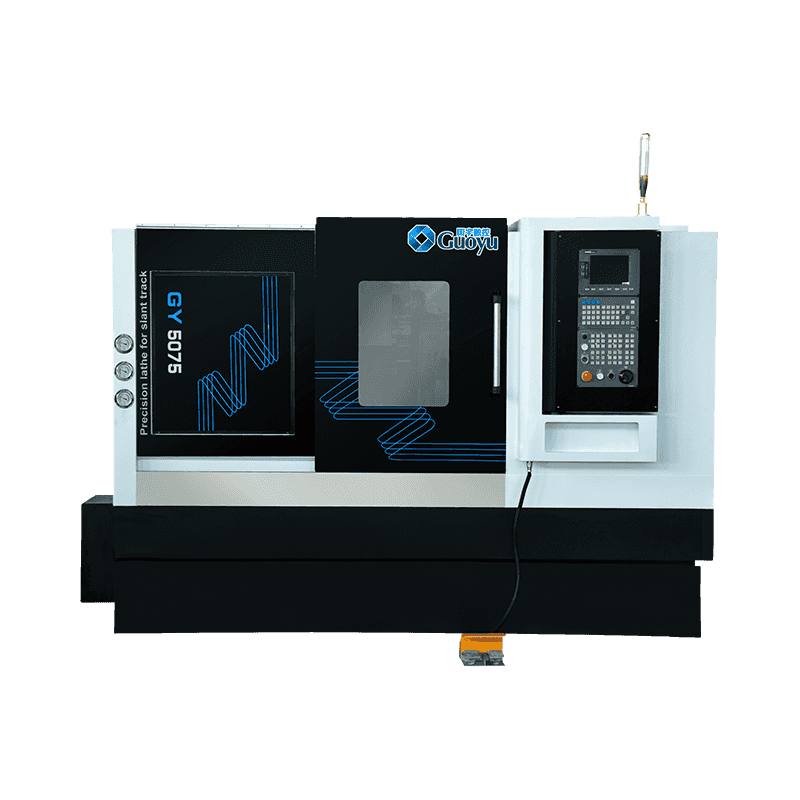
Technical Characteristics: The CNC machine tool for inclined beds adopts the domestic or imported hi...
See Details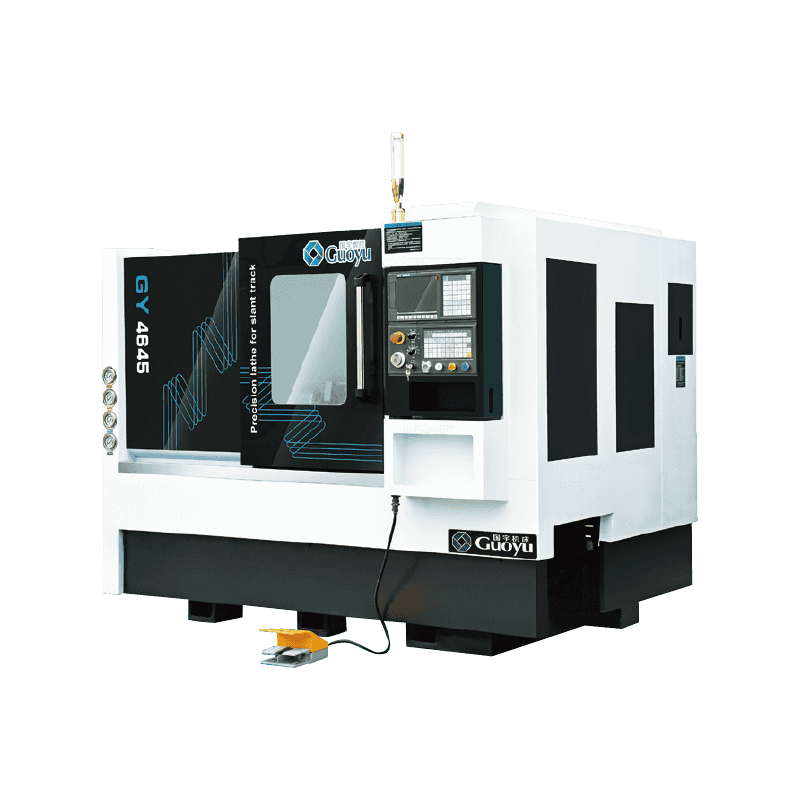
The Conjoined 35° Oblique Rail Cutter Tower Tail Seat Precision CNC Horizontal Lathe is a really pra...
See Details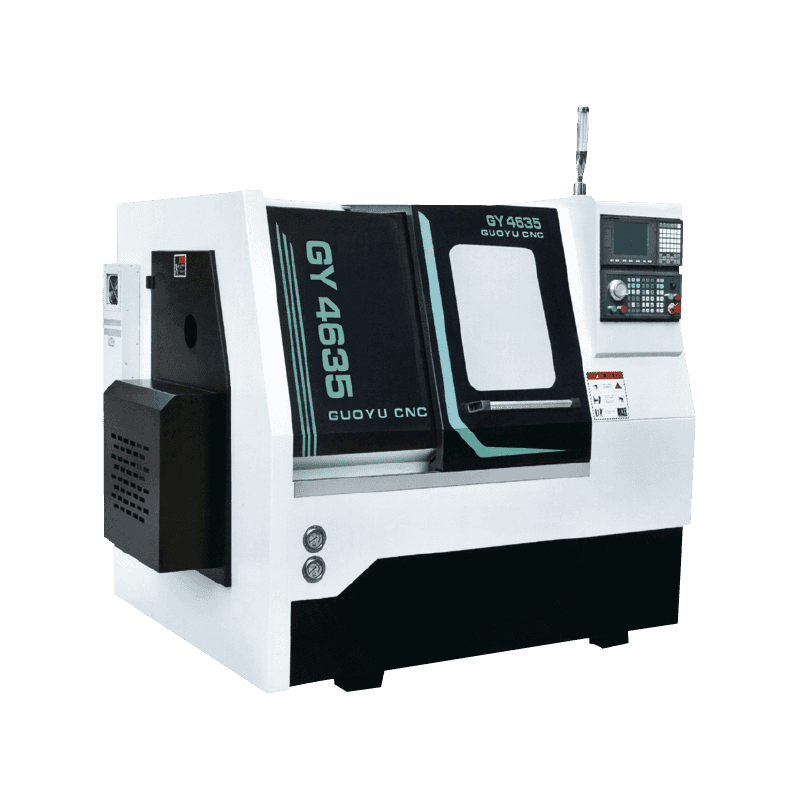
The Conjoined 45° Oblique Gauge Cutter Precision CNC Horizontal Lathe is a really practical turning ...
See Details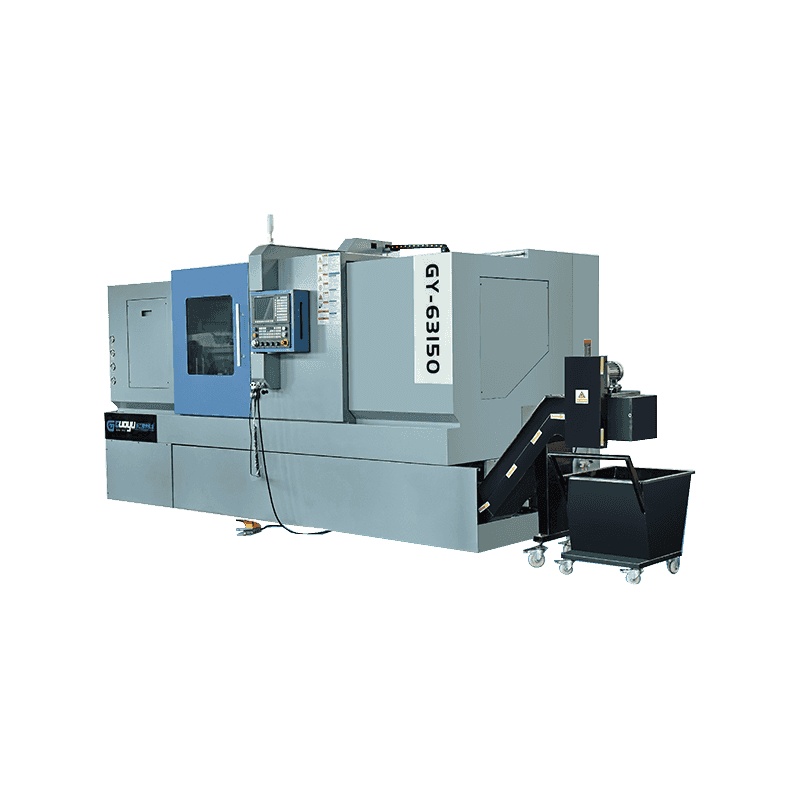
The Precision CNC Lathe With Programmable Tailstock For Connected Inclined Rail Tool Tower is just a...
See Details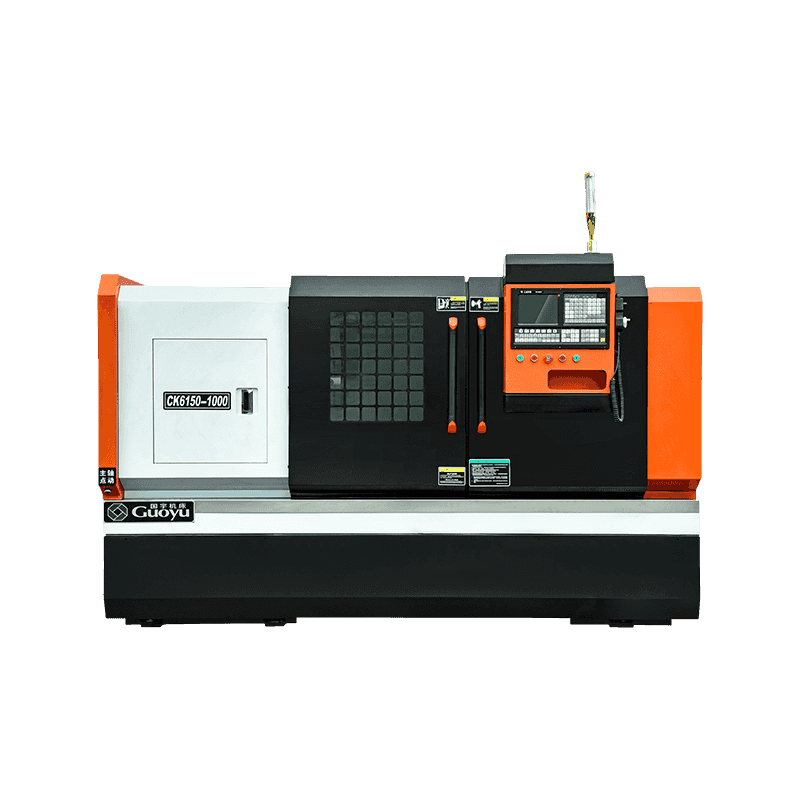
The Heavy Cutting Hard Guideway CNC Lathe For Metal Cutting is a really tough, heavy-duty machining ...
See Details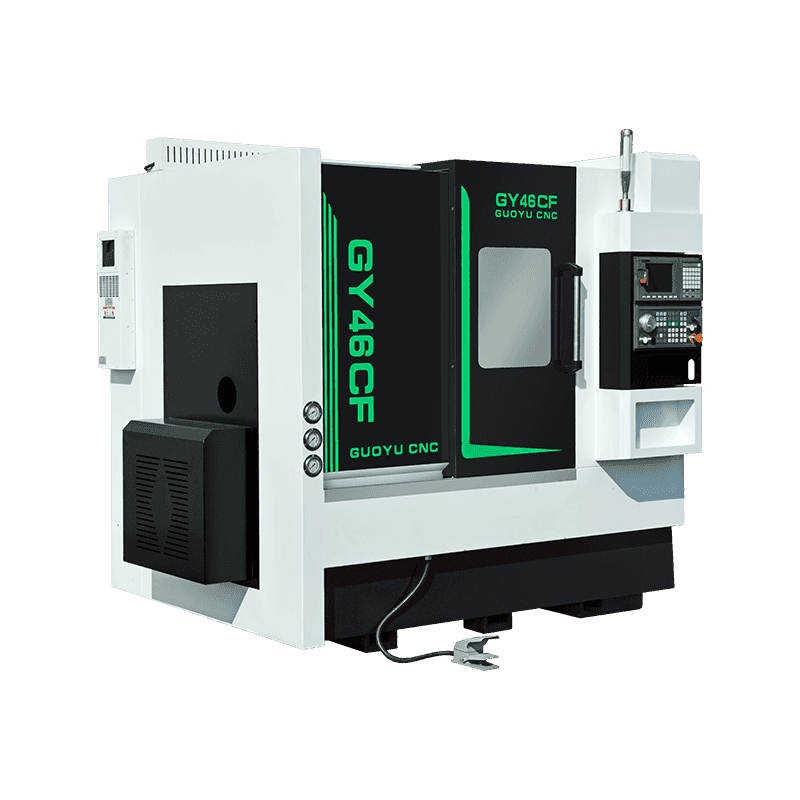
The 4+4 Type Precision CNC Lathe With Conjoined Oblique Rail Cutter Tower is a really practical, mul...
See Details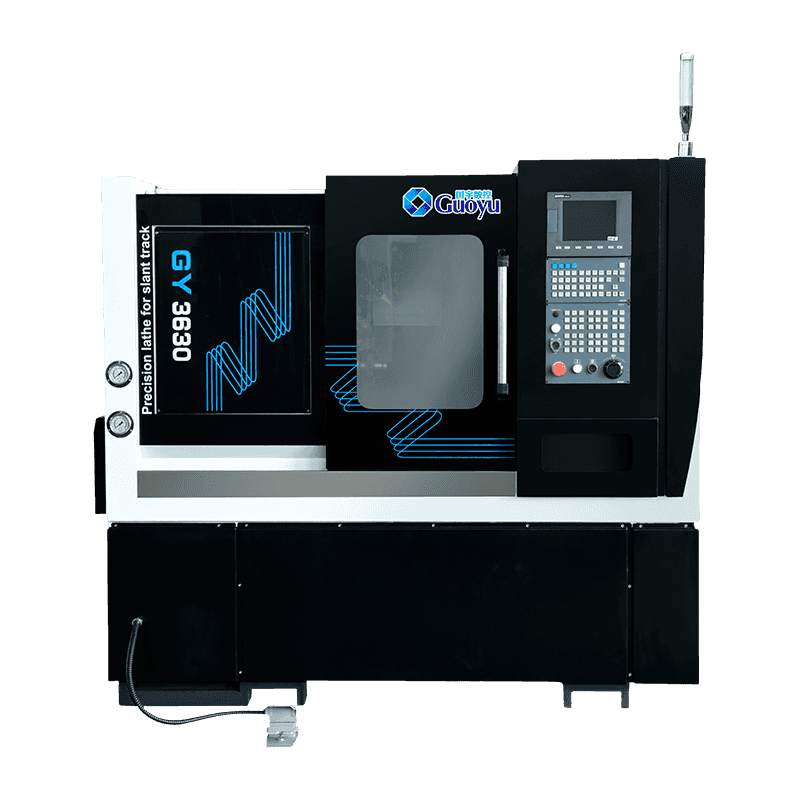
The Conjoined 45° Oblique Gauge Cutter Precision CNC Lathe is a really practical machining solution ...
See Details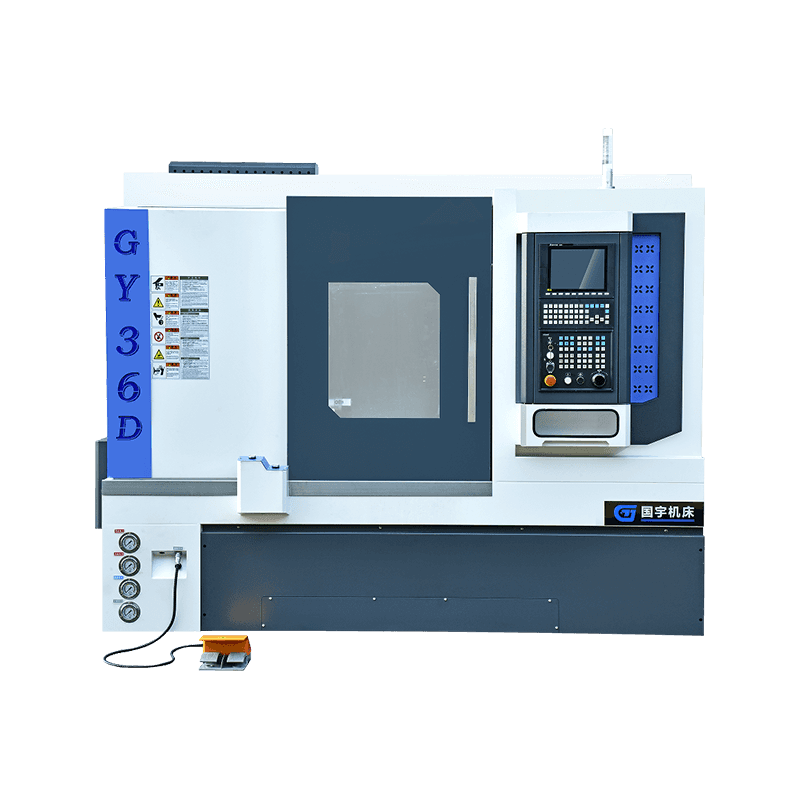
Technical Characteristics: All lathes are integrally cast with 250 materials to ensure processing ri...
See DetailsOur team of digital and business experts will guide you to the right direction.
Let's Talk
Zhejiang Guoyu CNC Machine Tool Co., Ltd. relies on rich experience, professional technology and advanced methods to ensure the quality of its products, so that customers can enjoy more professional and thoughtful service.
 [email protected]
 +86-15356565970
 Xialiang Industrial Area, Luqiao District, Taizhou City, Zhejiang Province, China
Copyright © Zhejiang Guoyu CNC Machine Tool Co., Ltd. All Rights Reserved.