English
 中文简体
中文简体 русский
 Español

Technical Characteristics: It can cut all kinds of turning surfaces by bicycle, such as conical surf...
See DetailsA slant-bed CNC lathe is characterized by its inclined bed, typically tilted at a specific angle relative to the horizontal plane. This design allows the workpiece to be positioned closer to the tool, which can improve stability and reduce deflection during machining. The slant configuration also facilitates chip removal, as gravity helps direct chips away from the cutting area. Compared to conventional flat-bed lathes, a slant-bed lathe often provides easier access for operators and more efficient coolant flow, which contributes to consistent machining performance. Additionally, the slanted structure can accommodate larger or longer workpieces without compromising the machine’s rigidity. Overall, the slant-bed design is intended to balance stability, accessibility, and space efficiency in CNC turning operations.
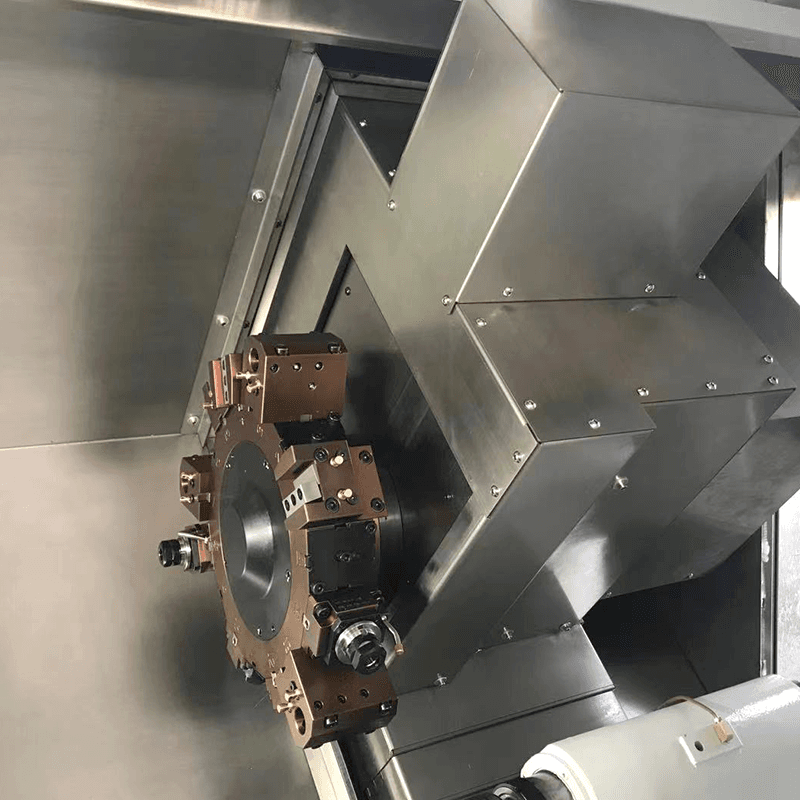
Slant-bed CNC lathes are versatile machines that can process a wide range of materials. Commonly machined metals include carbon steel, stainless steel, aluminum, copper, and brass. The machine can also handle certain plastics and composite materials, provided the cutting parameters are adjusted accordingly. The selection of material affects the choice of cutting tools, spindle speed, and feed rate, which are critical for achieving dimensional accuracy and surface finish. For example, harder materials may require carbide or ceramic inserts and slower cutting speeds, while softer metals can be processed more quickly with high-speed steel tools. The flexibility in handling different materials makes slant-bed CNC lathes suitable for applications in automotive, aerospace, electronics, and general manufacturing industries.
Slant-bed CNC lathes offer several operational advantages that contribute to productivity and machining quality. One key benefit is improved rigidity and reduced vibration due to the angled bed, which helps maintain precise tolerances during turning. The design also allows for better chip evacuation, which can reduce heat buildup and minimize tool wear. Automation through CNC control enables consistent production of complex geometries with minimal manual intervention. Additionally, the slant-bed layout often provides easier access to the workpiece and tooling, simplifying setup and inspection processes. Integrated coolant systems and tool changers further enhance efficiency by allowing continuous operation without frequent pauses for maintenance or tool replacement. While these advantages do not imply performance universally, they support stable and reliable operation across a variety of machining tasks.
Proper maintenance is essential to maintain the operational reliability of a slant-bed CNC lathe. Routine tasks include cleaning the bed, spindle, and tool holder areas to remove chips and debris, as accumulated material can affect precision and safety. Lubrication of guideways, ball screws, and moving parts helps reduce friction and wear. Periodic inspection of electrical systems, coolant flow, and hydraulic components ensures that the machine operates within recommended parameters. Alignments and calibrations should be performed according to the manufacturer’s schedule to maintain accuracy. Additionally, operators should monitor tool wear and replace cutting inserts as necessary to prevent damage to the workpiece and machine. By following a structured maintenance program, manufacturers can minimize downtime, sustain machining accuracy, and extend the service life of the lathe.
The slant-bed CNC lathe is a specialized turning machine designed for precision and operational efficiency. Its slanted bed provides improved rigidity, chip evacuation, and workpiece accessibility. It can process a variety of materials, ranging from metals to certain plastics, making it applicable in diverse industries. Operational advantages include stable cutting, automated control, and simplified setup procedures. Maintenance practices, including cleaning, lubrication, and calibration, are crucial for maintaining performance and reliability. Understanding the machine’s structure, material compatibility, operational benefits, and care requirements enables operators and manufacturers to use slant-bed CNC lathes effectively while sustaining production quality.
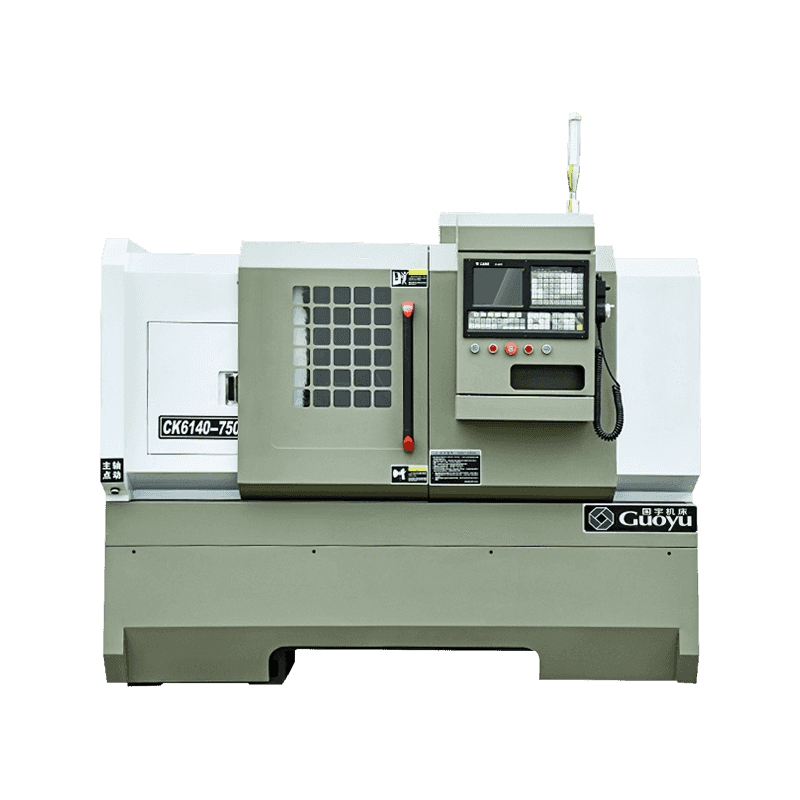
Technical Characteristics: It can cut all kinds of turning surfaces by bicycle, such as conical surf...
See Details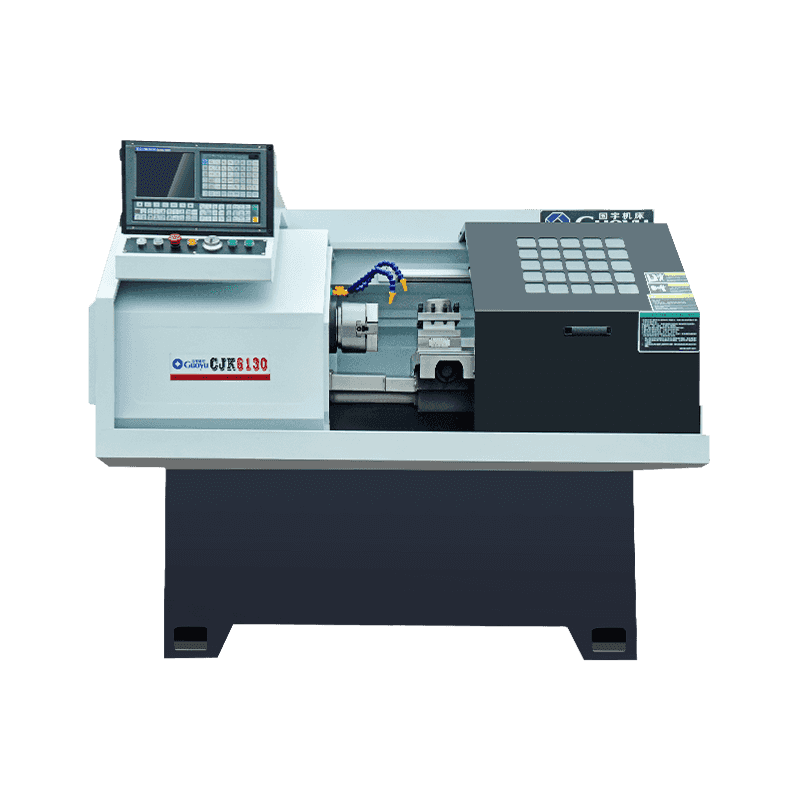
Technical Characteristics: The machine tool is a single-column vertical guideway structure. The colu...
See Details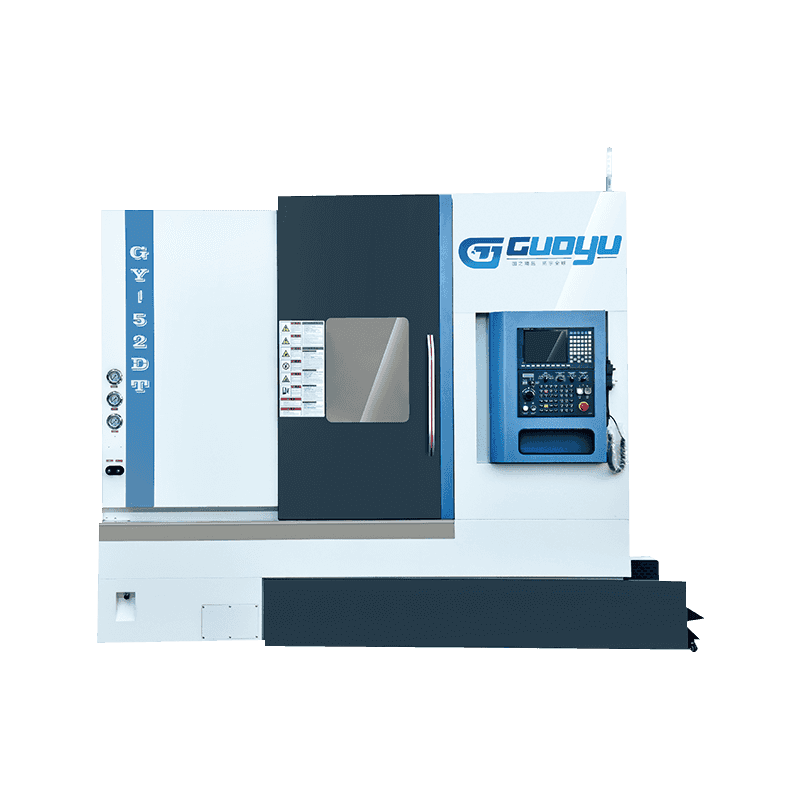
Technical Characteristics: The CNC machine tool for inclined beds adopts the domestic or imported hi...
See Details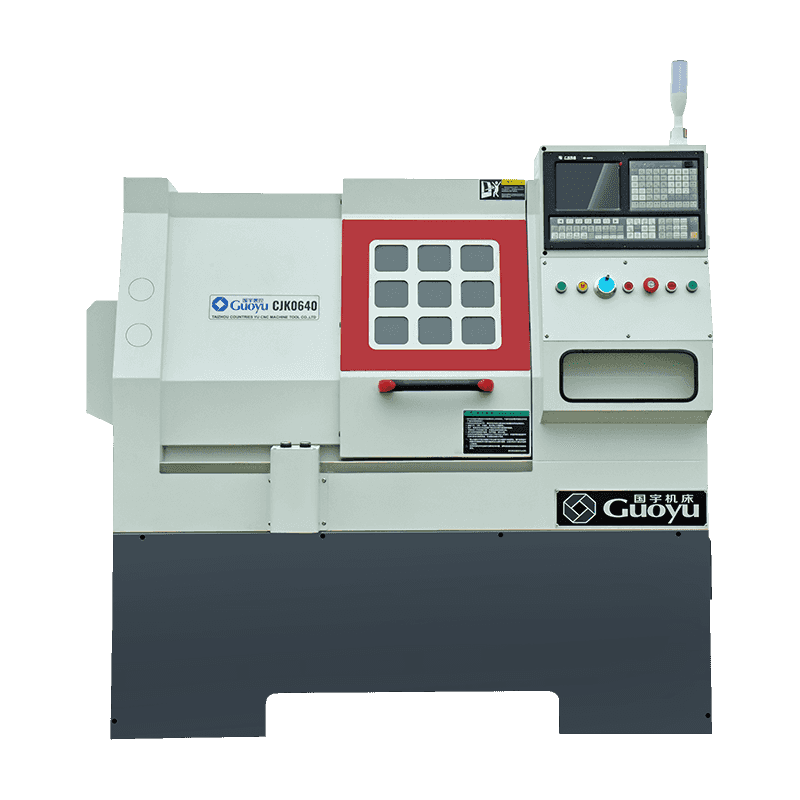
Technical Characteristics: The machine tool is equipped with a quantitative automatic lubrication sy...
See Details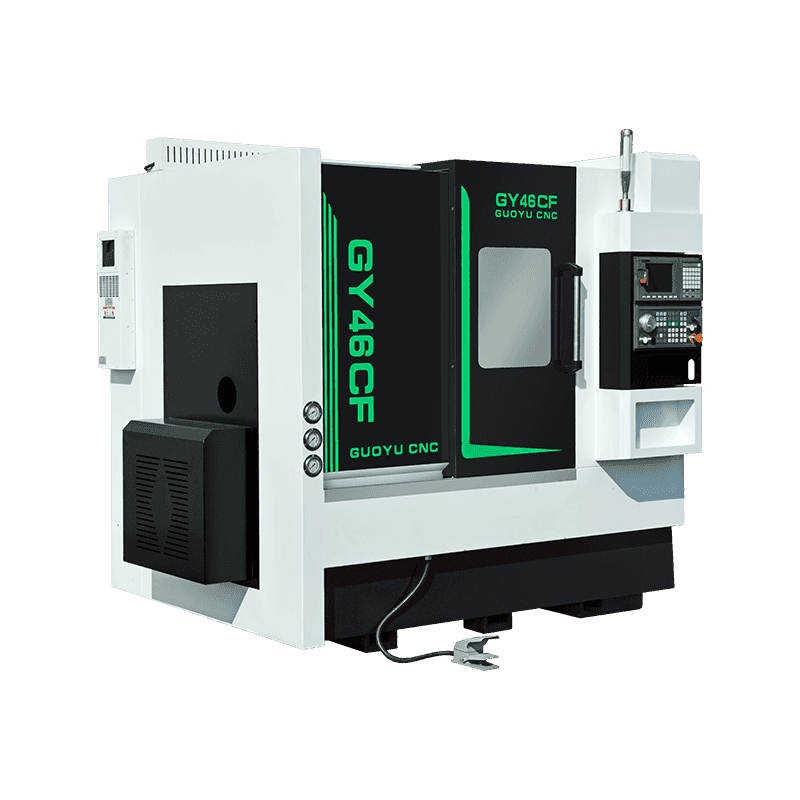
The 4+4 Type Precision CNC Lathe With Conjoined Oblique Rail Cutter Tower is a really practical, mul...
See Details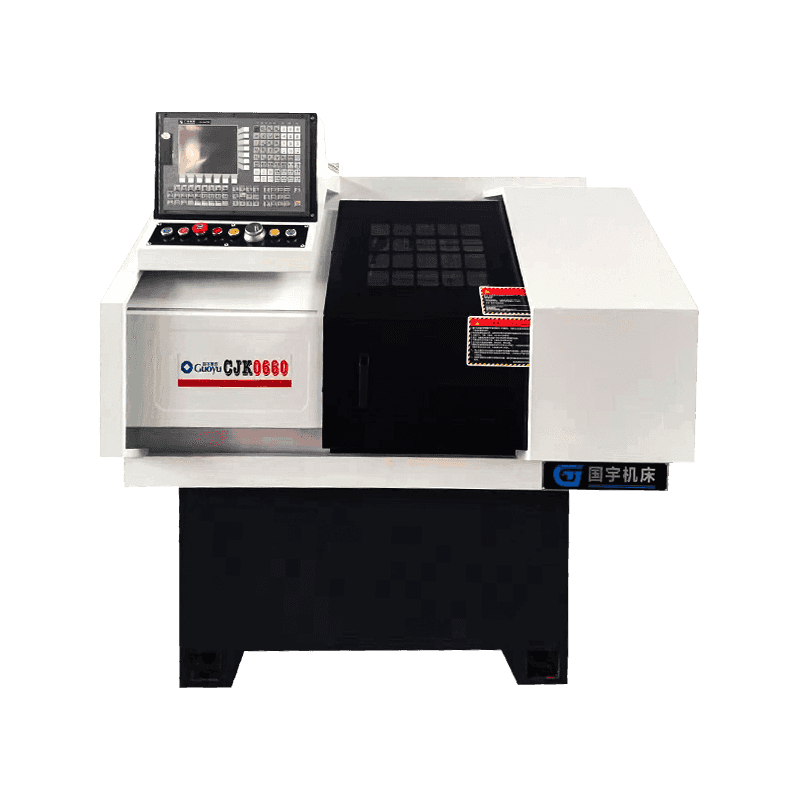
The Custom Precision Line Rail Precision CNC Lathe is just a really practical, compact machining sol...
See Details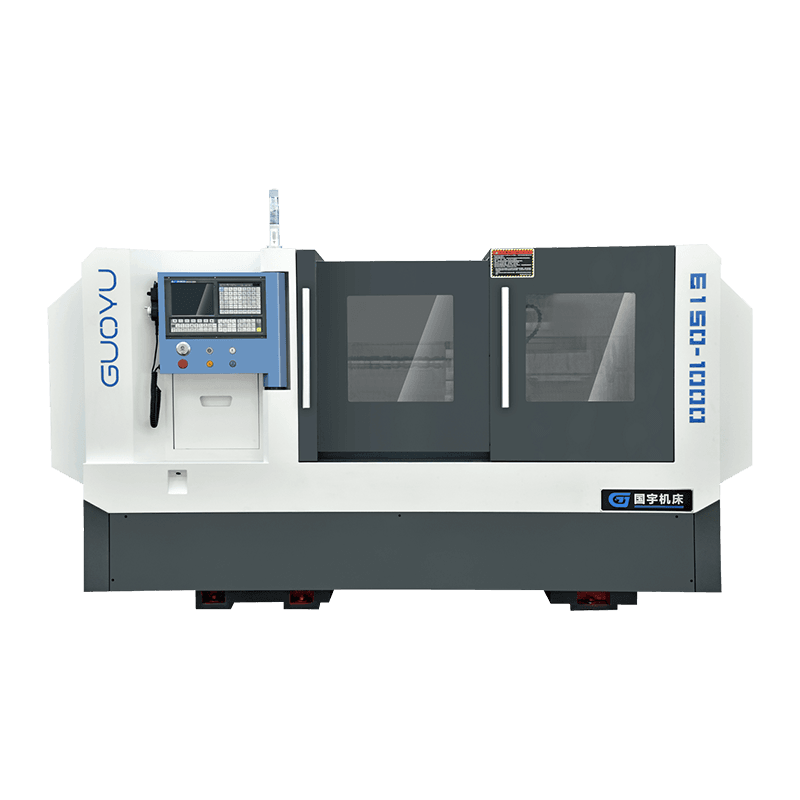
Technical Characteristics: It can cut all kinds of turning surfaces by bicycle, such as conical surf...
See Details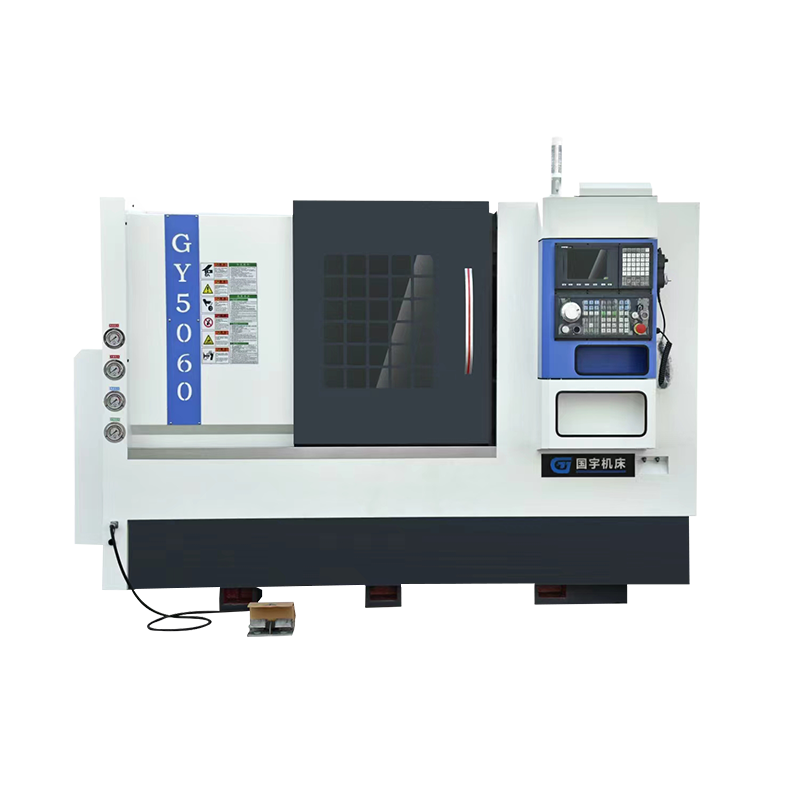
Technical Characteristics: All lathes are integrally cast with 250 materials to ensure processing ri...
See DetailsOur team of digital and business experts will guide you to the right direction.
Let's Talk
Zhejiang Guoyu CNC Machine Tool Co., Ltd. relies on rich experience, professional technology and advanced methods to ensure the quality of its products, so that customers can enjoy more professional and thoughtful service.
 [email protected]
 +86-15356565970
 Xialiang Industrial Area, Luqiao District, Taizhou City, Zhejiang Province, China
Copyright © Zhejiang Guoyu CNC Machine Tool Co., Ltd. All Rights Reserved.