English
 中文简体
中文简体 русский
 Español

Technical Characteristics: It can cut all kinds of turning surfaces by bicycle, such as conical surf...
See DetailsFlat-bed CNC lathes are widely used across multiple industries due to their ability to perform precise and repetitive turning operations. These machines are designed to handle medium to large workpieces, making them suitable for heavy-duty industrial applications. The automotive, aerospace, energy, and machinery manufacturing sectors often utilize flat-bed CNC lathes for producing components that require high accuracy and surface quality. By automating the turning process, these lathes reduce manual labor, improve consistency, and allow for complex geometries that are difficult to achieve using conventional lathes. The flexibility of flat-bed CNC lathes enables manufacturers to switch between different products with minimal downtime.
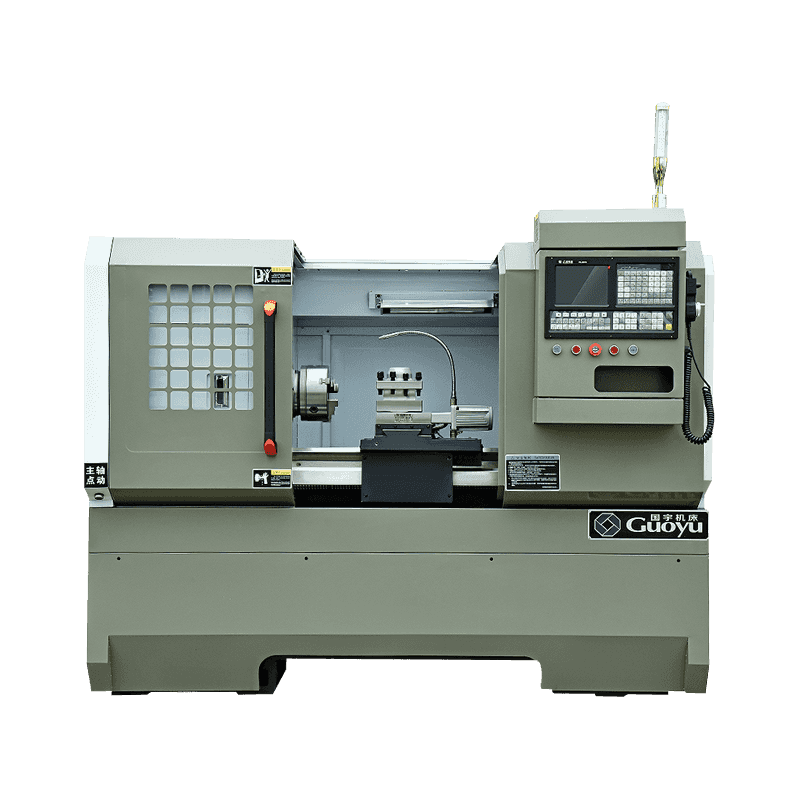
In the automotive sector, flat-bed CNC lathes are primarily used for machining engine parts, drive shafts, brake components, and gear blanks. The machines’ precision ensures that critical dimensions are maintained, which is essential for vehicle performance and safety. Additionally, the automation capability allows manufacturers to produce high volumes of identical parts efficiently. Below is an example of common automotive components produced using flat-bed CNC lathes:
|
Component |
Material |
Typical Tolerance |
Purpose |
|
Engine camshaft |
Steel |
±0.02 mm |
Controls valve timing |
|
Drive shaft |
Alloy steel |
±0.03 mm |
Transmits torque |
|
Brake drum |
Cast iron |
±0.05 mm |
Provides braking surface |
|
Gear blank |
Steel |
±0.02 mm |
Prepares for gear cutting |
By using flat-bed CNC lathes, automotive manufacturers can maintain consistent quality across large production runs while reducing scrap and rework.
The aerospace industry requires components with high dimensional accuracy and surface quality, often made from difficult-to-machine materials such as titanium and high-strength alloys. Flat-bed CNC lathes are used for producing engine casings, landing gear parts, and structural components. Their rigidity and precision make them suitable for handling long and heavy workpieces that might deform on less stable machines. For example:
|
Component |
Material |
Typical Tolerance |
Function |
|
Engine casing |
Titanium alloy |
±0.01 mm |
Protects engine internals |
|
Landing gear pin |
Stainless steel |
±0.02 mm |
Provides structural support |
|
Turbine shaft |
Nickel alloy |
±0.015 mm |
Transmits rotational energy |
Using flat-bed CNC lathes in aerospace ensures that critical components meet design specifications and safety standards.
Apart from automotive and aerospace, flat-bed CNC lathes are used in energy, construction, and general machinery industries. They are particularly suitable for machining long cylindrical parts, heavy shafts, and rollers. The machines are also employed for producing parts for pumps, valves, and large industrial equipment. The following table summarizes additional applications:
|
Industry |
Typical Workpiece |
Material |
Purpose |
|
Energy |
Turbine rotor shaft |
Alloy steel |
Power generation |
|
Construction |
Hydraulic cylinder rods |
Steel |
Heavy machinery operation |
|
Machinery |
Conveyor rollers |
Stainless steel |
Material handling |
|
Pump & Valve |
Pump shafts |
Alloy steel |
Fluid transfer systems |
The versatility of flat-bed CNC lathes allows manufacturers to maintain precision and efficiency while producing parts of varying sizes and complexity.
Flat-bed CNC lathes are commonly applied in industries where precision, consistency, and the ability to handle large or heavy workpieces are required. Automotive, aerospace, energy, and machinery manufacturing are primary sectors that benefit from these machines. The combination of automated operation, high rigidity, and adaptability makes flat-bed CNC lathes suitable for a broad range of applications, from engine components to industrial shafts and structural parts. Their use supports both quality assurance and operational efficiency in industrial production.
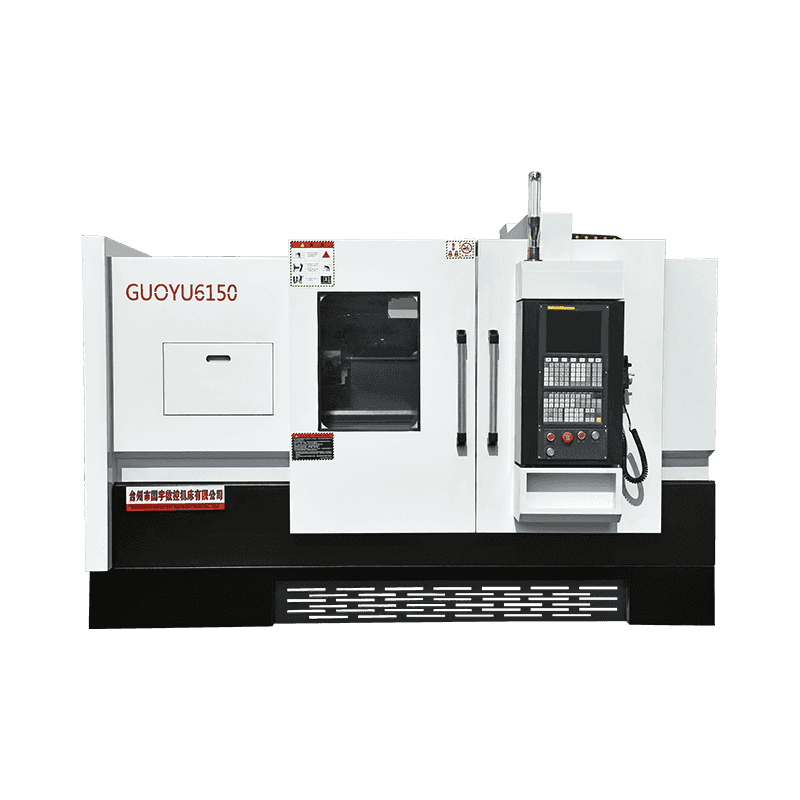
Technical Characteristics: It can cut all kinds of turning surfaces by bicycle, such as conical surf...
See Details
The Conjoined 35° Oblique Rail Cutter Tower Tail Seat Precision CNC Lathe is a really practical mach...
See Details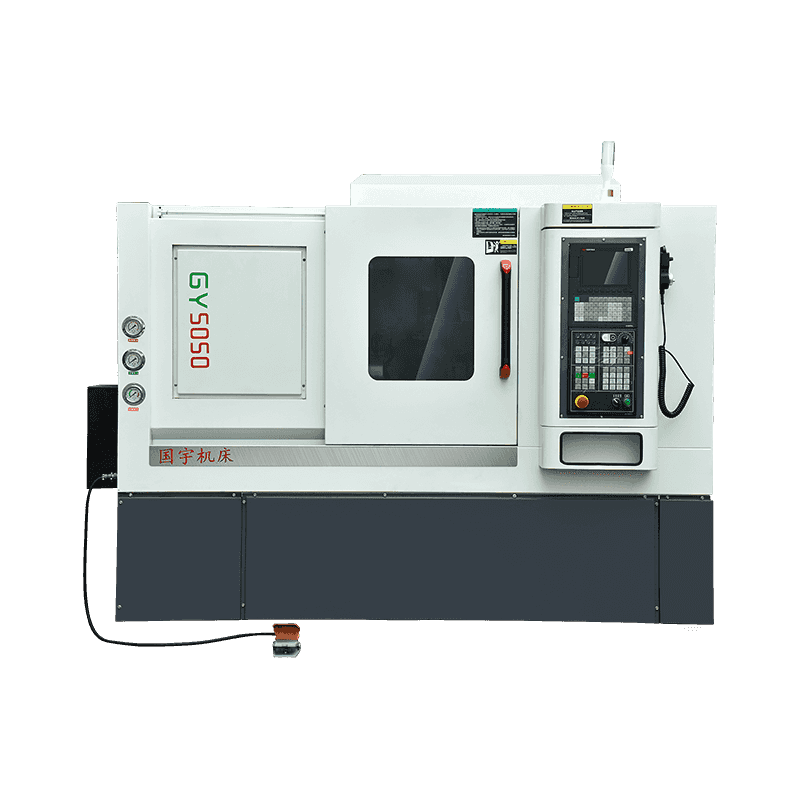
Technical Characteristics: The machine tool is of high precision, and the spindle is supported by hi...
See Details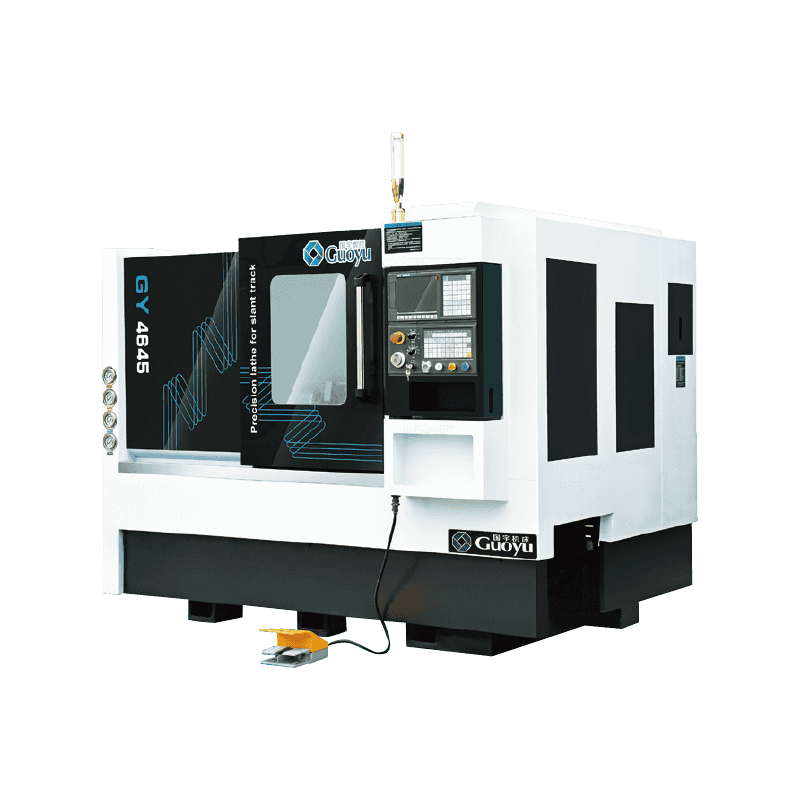
The Conjoined 35° Oblique Rail Cutter Tower Tail Seat Precision CNC Horizontal Lathe is a really pra...
See Details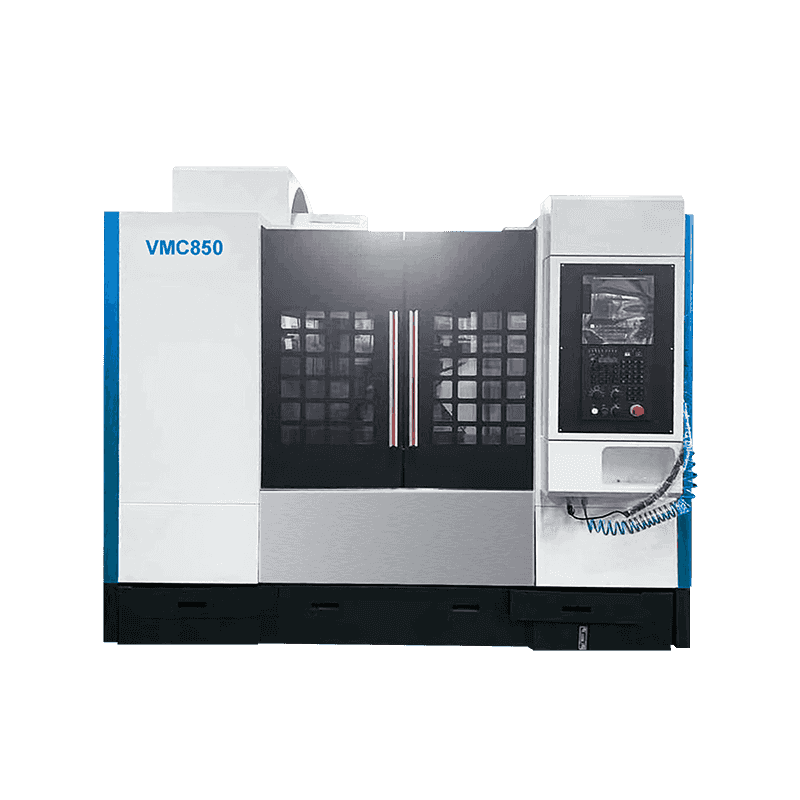
Technical Characteristics The machine tool is a single-column vertical guideway structure. The colum...
See Details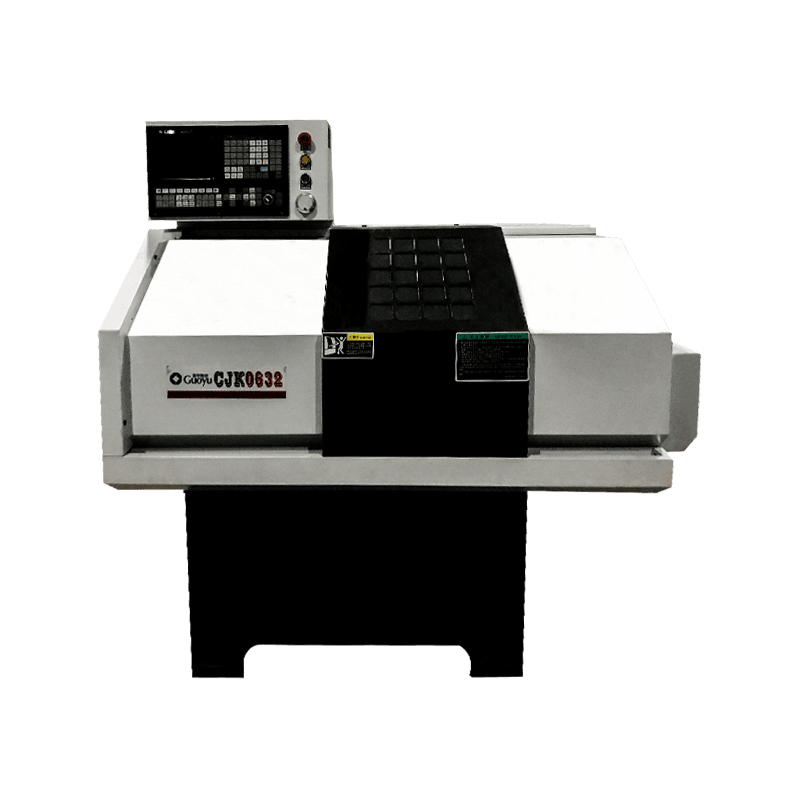
The Precision Line Rail Precision CNC Lathe is a completely practical machining choice if you want t...
See Details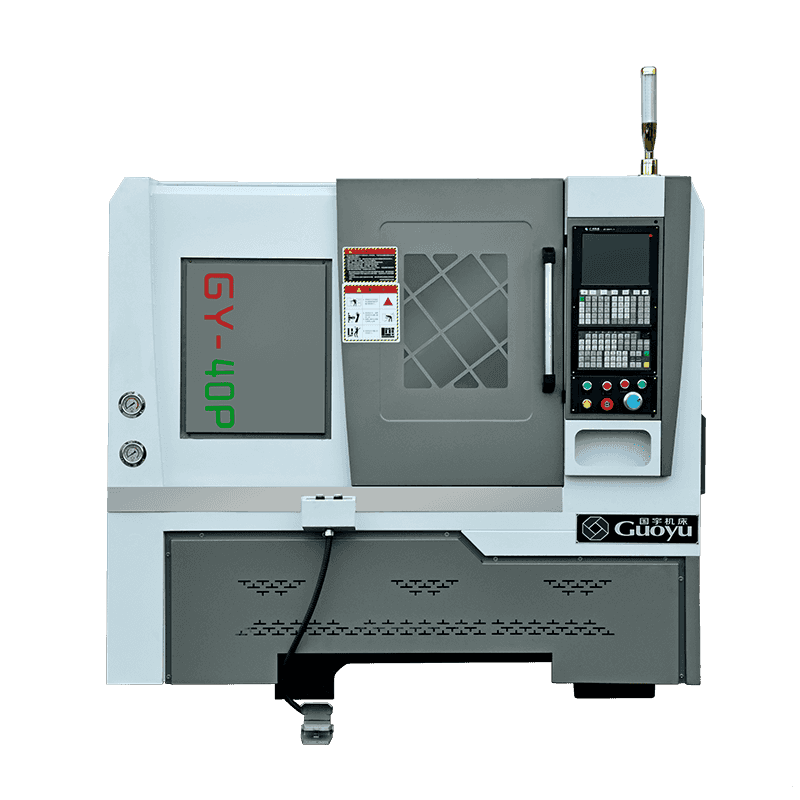
Technical Characteristics: 40P is a kind of small precision machine tool, that is suitable for the e...
See Details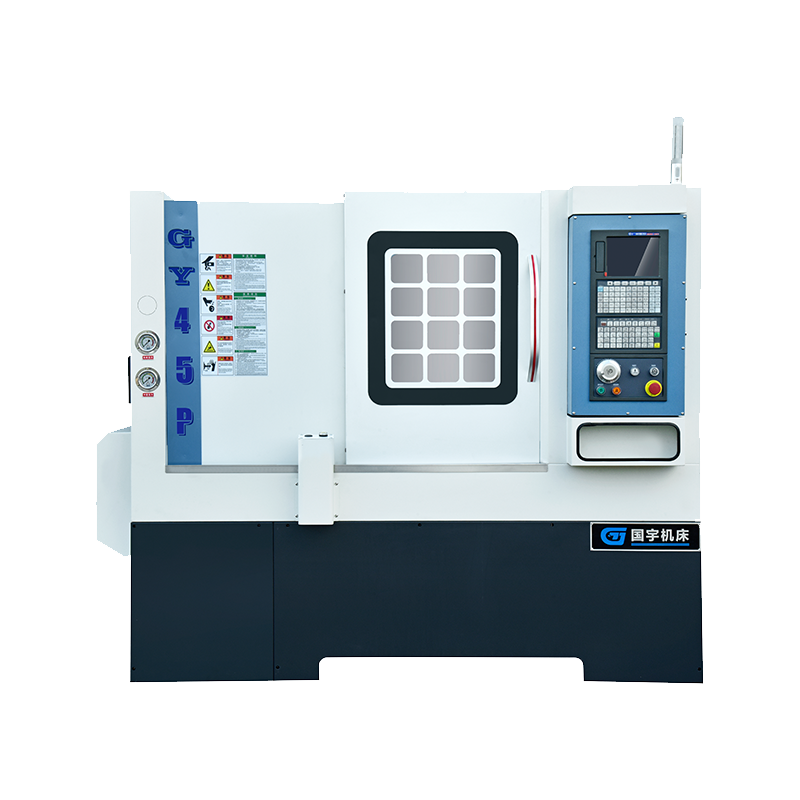
Technical Characteristics:Based on international advanced technology, the design of this machine too...
See DetailsOur team of digital and business experts will guide you to the right direction.
Let's Talk
Zhejiang Guoyu CNC Machine Tool Co., Ltd. relies on rich experience, professional technology and advanced methods to ensure the quality of its products, so that customers can enjoy more professional and thoughtful service.
 [email protected]
 +86-15356565970
 Xialiang Industrial Area, Luqiao District, Taizhou City, Zhejiang Province, China
Copyright © Zhejiang Guoyu CNC Machine Tool Co., Ltd. All Rights Reserved.