English
 中文简体
 русский
 Español


Technical Characteristics: It can cut all kinds of turning surfaces by bicycle, such as conical surf...
See DetailsModern manufacturing deals more and more with parts that differ in shape, surface features and machining requirements. Automotive components, industrial equipment parts, electronic housings and mechanical assemblies often can't be finished in one simple operation.
That puts new demands on machining equipment. A machine has to do more than remove material. It must support accurate positioning, stable movement, flexible tool use and smooth coordination among different machining tasks.
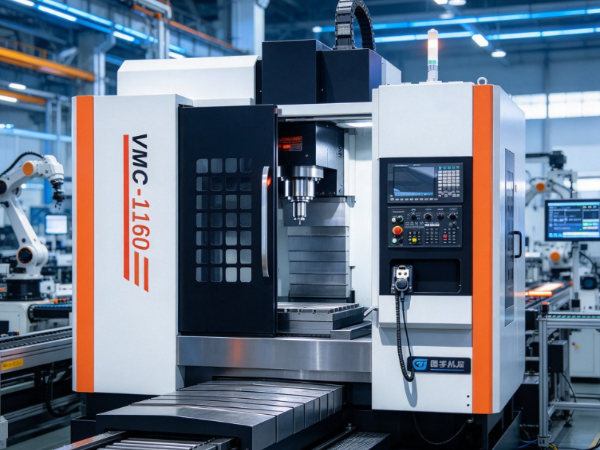
Linear way machining centers are common in industrial metalworking thanks to their guideway structure and their ability to support flexible machining. The table and other moving components travel along linear guideways, an arrangement that can support rapid movement and responsive positioning during production.
Handling complex workpieces takes more than machine movement, though. Workpiece geometry, material properties, fixture design, cutting conditions and machining sequence all shape the final result.
So can a linear way machining center handle complex workpieces? In many applications, yes. The key is understanding what the machine can do and how that matches the requirements of the part being made.
A complex workpiece isn't necessarily large or heavy. Its complexity usually comes from its shape, surface features, internal structures or manufacturing requirements.
Some parts have many holes, grooves, slots and curved surfaces. Others have machining areas that must be processed from several directions. Such features make production harder because the machine must reach different positions while keeping suitable cutting conditions.
Geometry is one of the main factors. A component with a simple flat surface may need only basic milling. A part with angled faces, curved sections and intersecting holes demands more complicated tool movement and positioning.
Material properties affect difficulty too. Aluminum is generally easier to cut than many hardened metals. Stainless steel and some alloys create more cutting resistance and call for more careful process planning.
Size and shape add further challenges. Thin-walled components can deform during machining if cutting forces aren't controlled. Long workpieces may need extra support to prevent vibration. Deep cavities are hard to machine because tool access and chip removal get more complicated.
Several characteristics can make a workpiece challenging:
Understanding these traits helps manufacturers decide whether a machining center suits a particular production task.
The guideway structure is a defining feature of a machining center. Linear guideways carry the machine components along defined paths, letting the table and other moving sections travel smoothly during machining.
This arrangement helps when a workpiece needs frequent positioning changes. The machine can move between machining locations without depending entirely on manual adjustment.
Take a metal component that needs milling on several surfaces, then drilling and tapping. A machining center can coordinate those operations through its movement system and machining controls, as long as its configuration supports the required processes.
The machine's movement characteristics can also trim idle time between operations. That helps in production settings where workpieces carry many features and need repeated tool positioning.
The relationship between guideways and machine structure matters too. Guideways support movement, while the frame provides the foundation for machining. Both must work together to keep operating conditions suitable.
A linear way machining center may be used for:
The actual range of operations depends on the machine's configuration, spindle arrangement, tooling and control system.
For complex components, coordinating several operations on one machine can cut down on moving the workpiece between separate machines. That simplifies production planning and helps reduce errors from repeated manual positioning.
Material compatibility is a key point when evaluating machining equipment. Complex workpieces come in different metals, and each reacts differently to cutting forces and heat.
Aluminum is widely used in automotive parts, electronic housings and industrial components. It's fairly easy to machine and can be cut into complex shapes. With suitable tools and cutting conditions, machining centers can handle aluminum milling, drilling and other operations.
Stainless steel is harder to machine in many cases. It can produce heavy cutting resistance and heat, so manufacturers need to think about tool selection, cutting conditions and chip removal.
Carbon steel is another common material. Its machining behavior depends on composition and condition, and different grades may need different production arrangements.
Copper and copper alloys serve electrical components and other industrial products. They have their own cutting characteristics and may produce chips that need careful handling.
Some alloys appear in demanding mechanical applications. Their machining may call for extra attention to tool wear, heat and cutting stability.
This table gives a general comparison:
| Workpiece Material | Common Machining Challenges | Relevant Production Considerations |
|---|---|---|
| Aluminum | Chip formation and surface finishing | Suitable cutting tools and chip removal |
| Stainless steel | Cutting resistance and heat generation | Tool condition and cutting stability |
| Carbon steel | Differences in hardness and material condition | Material preparation and tool selection |
| Copper alloys | Material softness and chip handling | Cutting edge selection and surface quality |
| Alloy steel | Tool wear and machining resistance | Appropriate machining strategy |
| Cast iron | Dust and chip management | Work area protection and cleaning |
A machining center can process many of these materials, but the machine alone doesn't decide the outcome. Tooling, workholding, machining strategy and material preparation all play a role.
Manufacturers should assess the actual material and workpiece design before choosing equipment for regular production.
Even if a machining center moves well, complex workpieces can be hard to process without the right tooling and workholding.
Tooling decides how the machine interacts with the material. Different tools suit different operations. End mills commonly handle surface machining and contouring, drills make holes, tapping tools form internal threads and specialized cutters process particular profiles.
A complex workpiece may need several tools in one production cycle. The machine's tool-changing arrangement lets it move between operations without repeated manual intervention.
Tool selection must still consider the shape and accessibility of the machining area. A tool that works well on an open surface may not reach a narrow groove or deep cavity, so tool length, diameter and shape become important.
Workholding is just as significant. The workpiece must stay stable while the tool removes material. If the part moves or vibrates, the surface may come out uneven and dimensions may vary.
Different workpieces may need different fixtures:
Standard machine vises
These suit many regular-shaped components. They hold the workpiece securely and give convenient access to several machining areas.
Custom fixtures
Custom fixtures help when a component has an unusual shape or needs specific positioning. They can support irregular parts and keep a setup repeatable.
Modular workholding systems
Modular arrangements let manufacturers adjust the fixture layout for different workpiece designs, which helps where product types change often.
Special support structures
Thin-walled, long or delicate components may need extra support to limit movement and deformation during cutting.
Fixture design shouldn't block tool access or interfere with machine movement. Manufacturers need to plan workholding with the whole machining process in mind.
Machine rigidity matters a great deal in metalworking. During cutting, the tool pushes on the workpiece while the machine structure and fixture push back. If the system isn't stable enough, vibration or unwanted movement can affect the result.
Linear way machining centers support moving components through linear guideways. Performance depends on how the guideways, machine frame, spindle structure and workholding system work together.
The guideway arrangement influences how moving components travel. Smooth movement doesn't automatically guarantee stable cutting in every situation, though.
On complex workpieces, different machining areas can create different cutting loads. Removing material from a large flat surface involves different forces from cutting a narrow slot or deep pocket.
Rigidity becomes especially relevant when:
Manufacturers should also consider how the workpiece responds to cutting forces. A rigid metal block behaves differently from a thin aluminum housing. Even if the machine stays stable, a flexible workpiece may deform under unsuitable machining conditions.
A good machining strategy balances tool movement, cutting forces, fixture support and material removal, so the machine and workpiece operate as one coordinated system.
A challenge in complex part production is machining several features without repeatedly changing the workpiece position.
Each time a component is removed and repositioned, alignment differences can creep in. That can affect the relationship among holes, surfaces and other features.
A machining center can cut down repeated handling when its machining range and configuration allow several operations in one setup.
Picture an industrial mounting component. It may need a flat mounting surface, several drilled holes, threaded openings and side grooves. Rather than shuttling it between separate machines for each operation, a suitable machining center may complete much of the work through coordinated tool and table movement.
This approach can bring several production benefits:
Not every complex workpiece can be finished in one setup, however. Some parts have features on several sides or surfaces that the available machine arrangement can't reach.
In such cases, manufacturers may need to reposition the workpiece or add fixtures. The machining sequence should be planned to limit unnecessary handling while keeping every feature accessible.
Computer-aided manufacturing software can help here. Production teams can plan tool paths and review potential machining problems before actual production starts.
Linear way machining centers offer flexible capabilities, yet complex workpieces can still raise several production challenges.
Tool access is a common one. Deep pockets, narrow channels and internal features may restrict cutting tool movement. Long tools can reach difficult areas but become more prone to vibration and deflection.
Chip removal is another concern. Removed material has to leave the cutting area. If chips pile up around the tool or inside a cavity, surface quality can suffer and cutting may be interrupted.
Heat management matters as well. Cutting generates heat, and some materials are more sensitive to temperature than others. Too much heat can affect tool condition and workpiece dimensions.
Thin-walled parts need special care. Their structures may not resist cutting forces well, and if the machining sequence removes material unevenly, the component may deform.
Careful production planning can address these challenges.
| Machining Challenge | Potential Effect | Possible Manufacturing Approach |
|---|---|---|
| Limited tool access | Incomplete or difficult machining | Review tool geometry and machining direction |
| Chip accumulation | Surface damage or interrupted cutting | Improve chip removal arrangements |
| Excessive heat | Tool wear or workpiece deformation | Adjust cutting conditions and cooling |
| Workpiece vibration | Uneven surfaces and machining variation | Improve fixture support |
| Thin-wall deformation | Changes in component shape | Plan material removal carefully |
| Repeated repositioning | Alignment differences | Optimize machining sequences and fixtures |
Evaluate the machine as part of the complete production system. Tooling, software, fixtures, material preparation and operator experience all contribute to the ability to process complex parts.
Choosing a suitable machining center starts with real production requirements. Manufacturers shouldn't pick equipment from general machine descriptions alone. The question that counts is whether the machine can handle the geometry, material and operations the intended workpieces need.
Workpiece size and shape are good starting points. The working area should let the component sit safely, with enough room for the necessary tool movements and fixtures.
The number and type of machining operations matter too. A part needing milling, drilling and tapping may call for a different machine configuration from one involving mostly surface machining.
Consider material characteristics during selection. A manufacturer working with aluminum may have different needs from one processing stainless steel or alloys.
Tool capacity and changing arrangements are relevant as well. Complex workpieces may need several cutting tools, and the machine should support the planned production sequence.
Other considerations include:
Manufacturers should also look ahead. A machining center may start out on a limited range of parts, but product designs and customer requirements change. Equipment selection should allow for that.
Before regular production begins, trial machining can verify whether the chosen machine, tools, fixtures and machining sequence suit the intended workpiece. That lets manufacturers spot issues and adjust before moving into routine manufacturing.
Linear way machining centers can handle many complex workpieces when their structure, movement capabilities, tooling and workholding match production requirements. Their role goes beyond moving a cutting tool along a straight path. They are part of a coordinated manufacturing system where machine movement, material behavior, tool access and process planning work together to produce components with varied shapes and machining features.
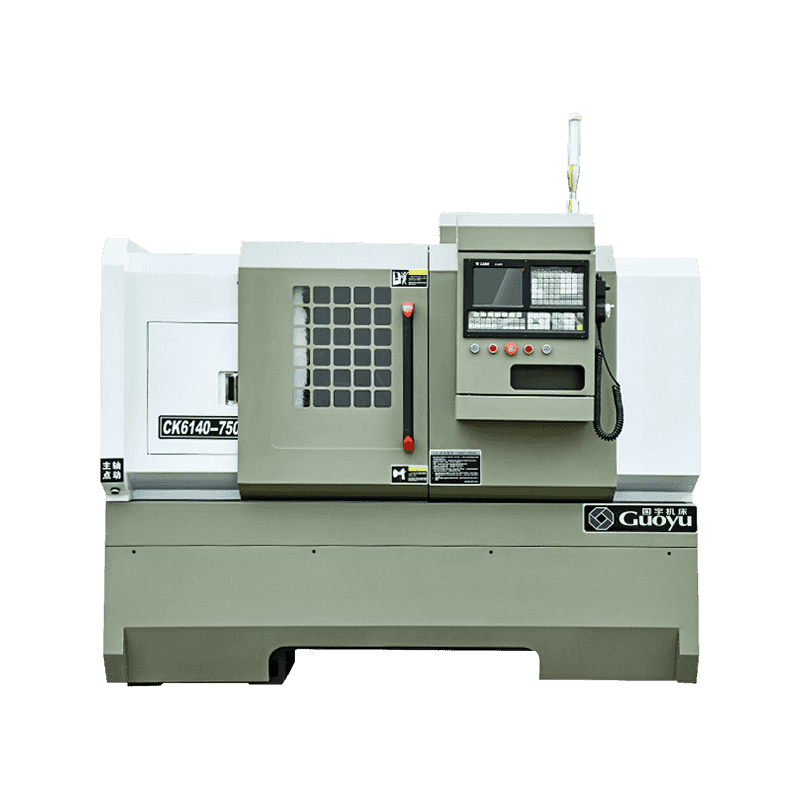
Technical Characteristics: It can cut all kinds of turning surfaces by bicycle, such as conical surf...
See Details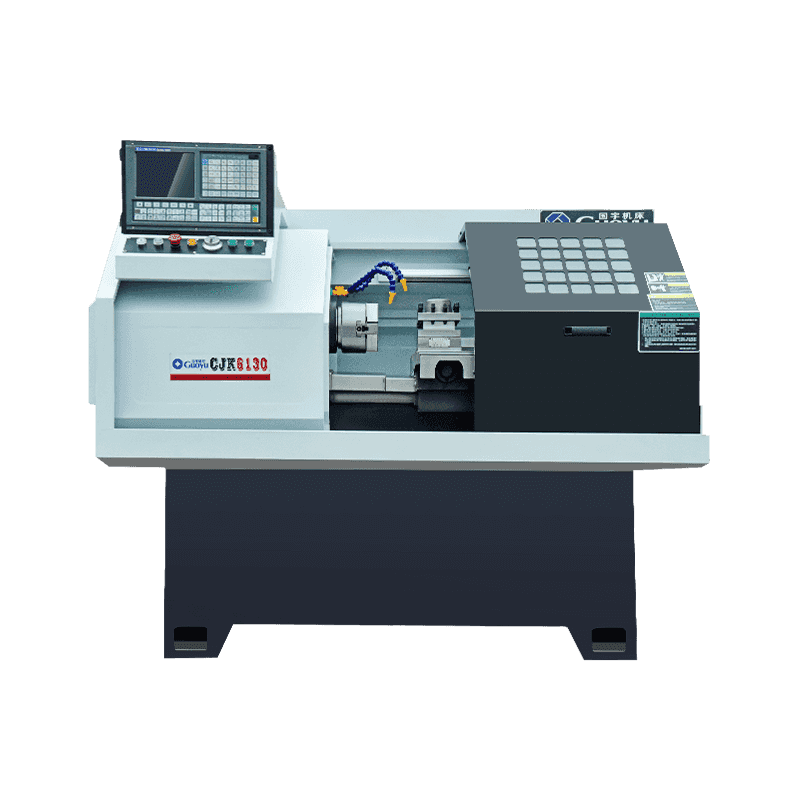
Technical Characteristics: The machine tool is a single-column vertical guideway structure. The colu...
See Details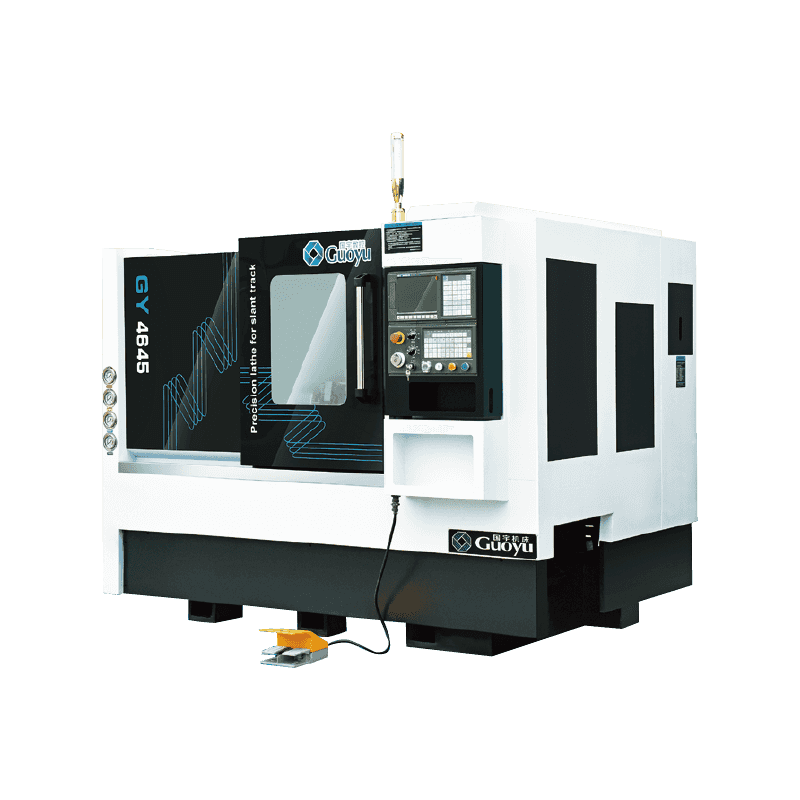
The Conjoined 35° Oblique Rail Cutter Tower Tail Seat Precision CNC Horizontal Lathe is a really pra...
See Details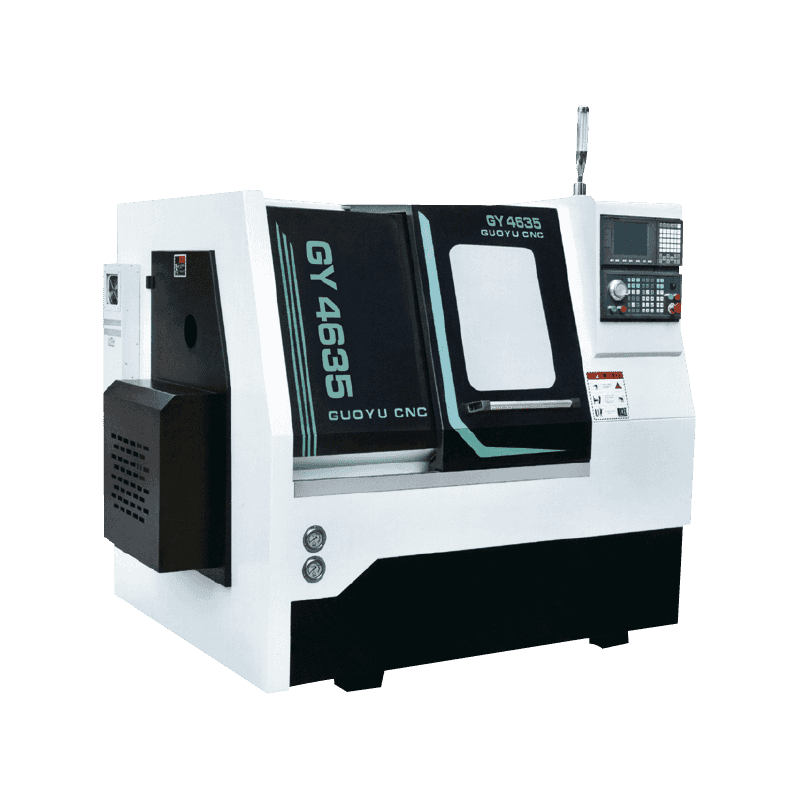
The Conjoined 45° Oblique Gauge Cutter Precision CNC Horizontal Lathe is a really practical turning ...
See Details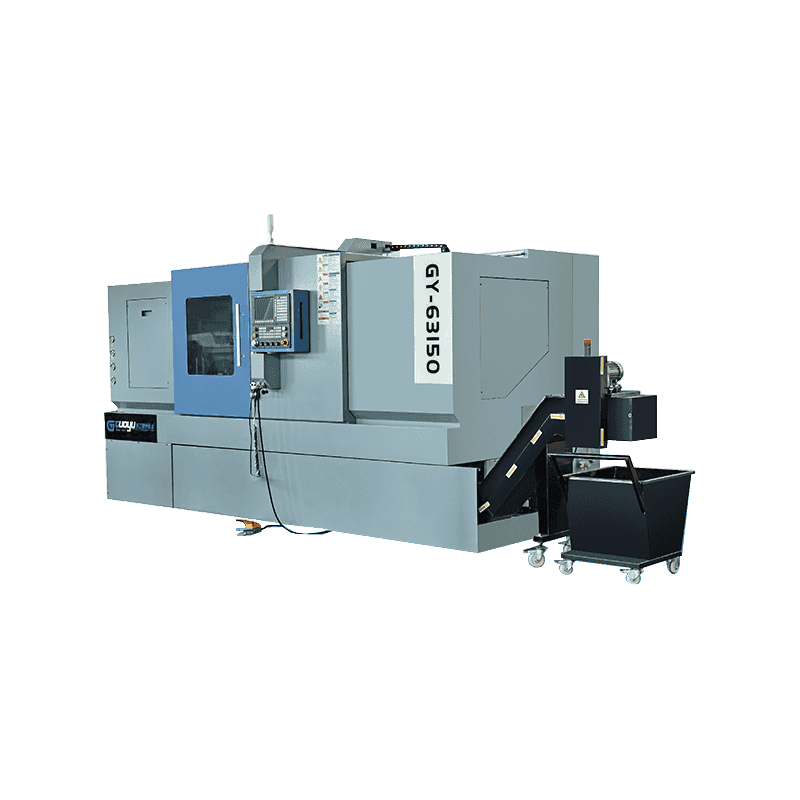
The Precision CNC Lathe With Programmable Tailstock For Connected Inclined Rail Tool Tower is just a...
See Details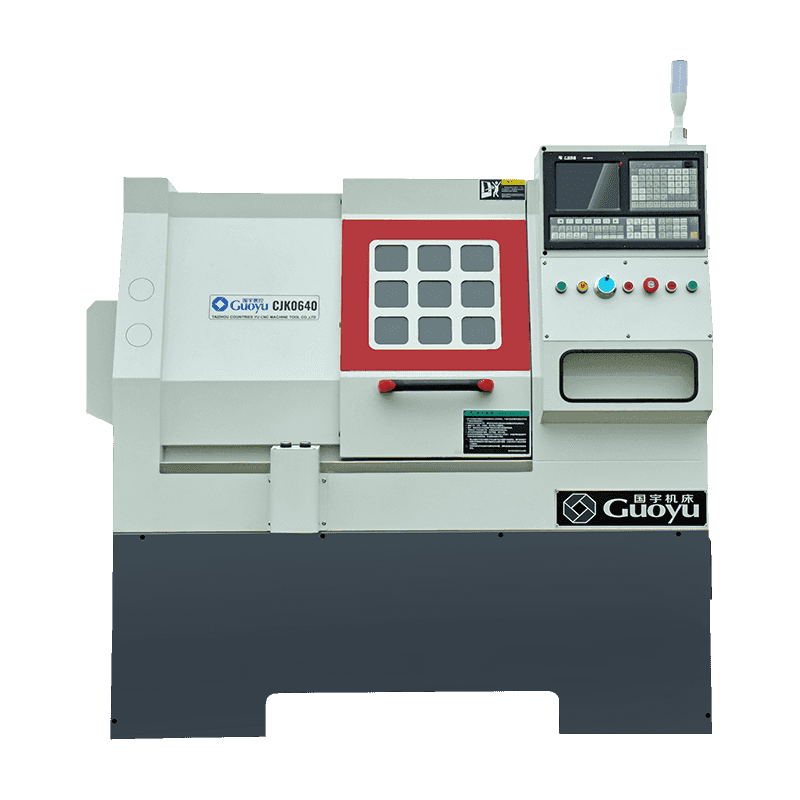
Technical Characteristics: The machine tool is equipped with a quantitative automatic lubrication sy...
See Details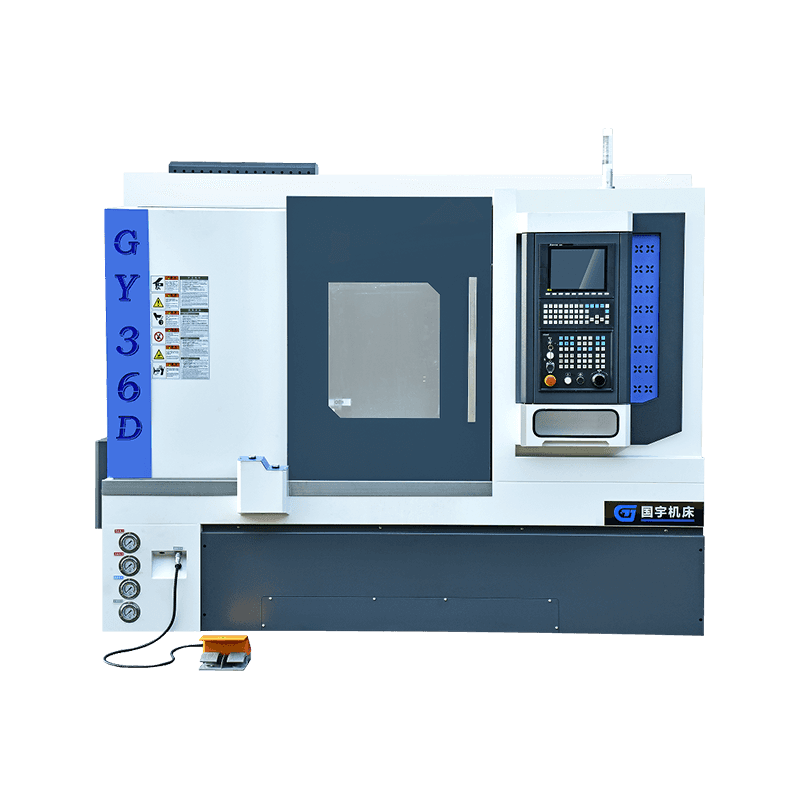
Technical Characteristics: All lathes are integrally cast with 250 materials to ensure processing ri...
See Details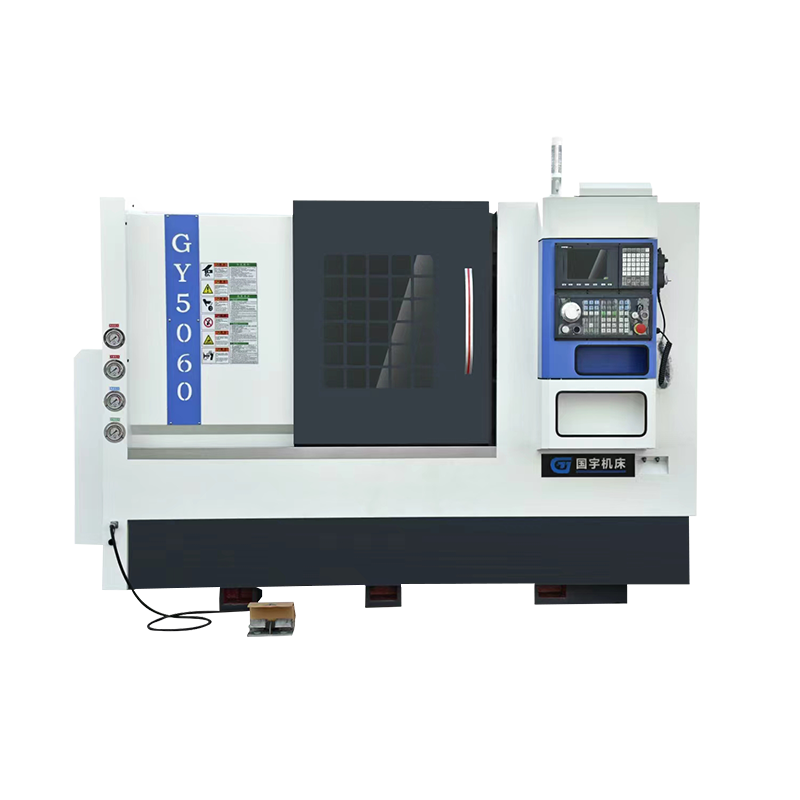
Technical Characteristics: All lathes are integrally cast with 250 materials to ensure processing ri...
See DetailsOur team of digital and business experts will guide you to the right direction.
Let's Talk
Zhejiang Guoyu CNC Machine Tool Co., Ltd. relies on rich experience, professional technology and advanced methods to ensure the quality of its products, so that customers can enjoy more professional and thoughtful service.
 [email protected]
 +86-15356565970
 Xialiang Industrial Area, Luqiao District, Taizhou City, Zhejiang Province, China
Copyright © Zhejiang Guoyu CNC Machine Tool Co., Ltd. All Rights Reserved.