English
 中文简体
中文简体 русский
 Español

Technical Characteristics: The CNC machine tool for inclined beds adopts the domestic or imported hi...
See DetailsYour production line is processing large shafts, heavy rollers, or oversized industrial components — and the question is not whether CNC turning is the right method, but whether the machine doing it has the structure, rigidity, and drive capacity to hold tolerance across a full production run. Undersized equipment handles the geometry but fails under load. Vibration compromises surface finish. Thermal drift over a long cycle undoes the precision dialed in at the start. A Heavy Duty CNC Lathe Machine addresses these problems not through a single feature but through a coordinated set of structural and mechanical decisions that make large-workpiece machining stable, repeatable, and controllable at the production scale industrial applications demand.
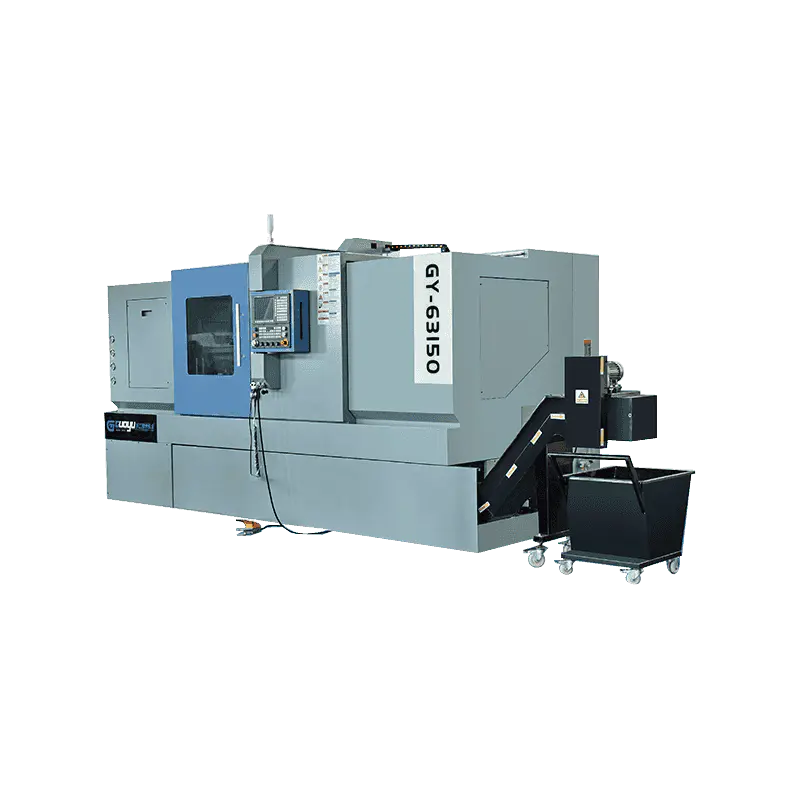
Understanding how these machines are engineered — and what separates a capable platform from one that merely handles the physical size of a workpiece — is the foundation of a sound equipment decision. Whether the goal is evaluating a new CNC heavy duty lathe for an existing facility or establishing a baseline for supplier comparison, the relevant variables are the same.
The term is used broadly in equipment catalogs, but it has a specific technical meaning grounded in structural design rather than marketing category.
A heavy duty designation refers to a machine built to maintain dimensional accuracy under the combination of large workpiece mass, substantial cutting forces, and extended cycle times. Each of these places different demands on the machine structure, and a genuine heavy duty platform addresses all three simultaneously.
Key structural characteristics that define the category:
A machine that meets the size envelope of an application but lacks structural rigidity will produce dimensions that drift across a production run as the structure flexes under load.
The bed is where all cutting forces ultimately terminate. Its design determines how well the machine isolates the cutting process from the environmental and mechanical inputs that degrade accuracy.
Cast iron remains the standard bed material for heavy duty lathes because of its vibration damping properties. Under cutting loads, cast iron absorbs and dissipates vibration energy rather than transmitting it through the structure. This matters particularly for surface finish on large-diameter workpieces, where surface speed is high and any structural resonance shows immediately in the machined surface.
Bed casting quality — wall thickness consistency, internal void freedom, proper stress relief after casting — determines whether the bed maintains its geometry across temperature changes and load cycles. A poorly cast bed may appear dimensionally correct when unloaded but distort measurably under working conditions.
The guideways carry the carriage and tailstock loads along the full length of the bed. In heavy duty applications, the contact pressure between carriage and guideway is substantial, and guideway wear directly translates into positional error over time.
Hardened and ground guideways resist wear more effectively than soft alternatives. Scraped and fitted guideways distribute contact more evenly than purely ground surfaces. Linear roller guideways offer low friction and consistent preload but require clean operating conditions that heavy cutting environments do not always provide. The guideway design is a long-term investment decision as much as a performance specification.
The spindle is where the machine's drive power transfers to the workpiece, and in heavy duty applications, the demands on this component are significantly greater than in general-purpose turning.
Large workpieces may require bar stock passage through the spindle bore, or they may be loaded via the chuck face. Spindle bore diameter sets the bar or shaft diameter that fits through. Chuck capacity — both chuck diameter and its clamping force — decides what can be held securely during aggressive cuts.
For workpieces that cannot be supported by the chuck alone — long shafts, for example — the steady rest and follow rest configurations become critical. These supports prevent workpiece deflection during cutting, which is otherwise a significant source of dimensional error on long, flexible components.
The spindle runs in bearings that must carry both the radial load from cutting forces and the axial load from feed forces. Large workpiece mass creates substantial radial load even before cutting begins. Bearing preload — the controlled compression applied to the bearing set — determines how the spindle responds to these combined loads.
Excessive preload generates heat, which causes thermal growth in the spindle and changes the tool-to-workpiece relationship over time. Insufficient preload allows the spindle to deflect under load, producing dimensional variation. Setting and maintaining the correct preload is a design and maintenance consideration that directly affects long-term accuracy.
Vibration is one of the primary accuracy enemies in large-workpiece machining. It affects surface finish, accelerates tool wear, produces dimensional scatter, and in severe cases can damage the workpiece or the machine. Heavy duty platforms address vibration through multiple mechanisms rather than relying on a single design feature.
The mass and material properties of the machine structure itself provide a baseline level of vibration damping. A heavier, more rigid structure has a lower natural frequency and higher damping ratio than a lighter one, which means it responds to cutting-induced excitation less dramatically and recovers more quickly.
Anti-vibration mounts between the machine base and the floor provide a further isolation layer, particularly for low-frequency vibration from adjacent equipment or building structure.
Vibration in a turning operation is often generated by the interaction between the workpiece, tool, and machine at specific combinations of spindle speed, feed rate, and depth of cut. CNC control systems on modern heavy duty lathes allow the operator to adjust these parameters dynamically, avoiding the resonant conditions that produce chatter without sacrificing overall material removal rate.
Variable spindle speed control — intentionally varying the spindle speed through a small range during a cut — disrupts the feedback loop that allows regenerative chatter to develop and sustain itself. This technique is particularly useful when machining workpieces with interrupted surfaces or variable cross-sections.
Understanding the industries that rely on heavy duty CNC lathe capacity helps clarify the performance requirements that define the category.
| Industry | Typical Workpiece | Key Requirement |
|---|---|---|
| Power generation | Turbine shafts, generator rotors | Long turning length, tight cylindricity |
| Oil and gas | Drill collars, valve bodies, pipe fittings | High torque, corrosion-resistant alloys |
| Heavy machinery manufacturing | Gear blanks, large housings, bearing races | Dimensional accuracy under load |
| Marine and shipbuilding | Propeller shafts, rudder components | Large swing, heavy weight support |
| Aerospace and defense | Landing gear components, structural fittings | Material variety, surface finish |
| Rail and transportation | Axles, wheel sets, brake components | Volume consistency, geometric tolerance |
| Mining equipment | Crusher shafts, drum components | Impact-resistant materials, large diameters |
Across these sectors, the common thread is that workpiece size and material hardness push well beyond what a general-purpose lathe can handle reliably. The application drives the specification, not the other way around.
For facilities in the market for a new CNC heavy duty lathe, the choice of supplier carries implications beyond the initial product specification. Machine tools operate for extended service lives, and the support relationship with the manufacturer or CNC lathe supplier affects ongoing productivity.
Specifications in a catalog represent claimed performance under defined conditions. Verifying that a machine actually delivers those specifications requires either direct inspection, reference from existing customers in comparable applications, or acceptance testing against agreed workpiece samples.
Questions to ask a CNC lathe supplier before purchase:
A heavy duty lathe is a capital investment expected to operate across many years of production. The availability of spare parts, service engineers with relevant expertise, and technical support for the CNC control system all factor into the true cost of ownership.
A CNC lathe factory that manufactures and supports its own machines is typically better positioned to provide consistent long-term support than a distributor reselling machines from multiple sources. Direct manufacturer relationships also allow for non-standard configurations, application-specific modifications, and faster resolution of technical issues that arise after installation.
Not all heavy duty lathes within the category are configured the same way, and the right configuration depends on the specific workpiece geometry, material, and production volume.
Factors that drive configuration selection:
Specifying a machine that matches the actual workpiece envelope closely, with reasonable margin for variation, is more cost-effective than over-specifying for theoretical future requirements that may never materialize.
A Heavy Duty CNC Lathe Machine delivers its capability effectively when the manufacturer behind it understands the application requirements from the outset — not just the dimensional specification, but the material characteristics, the production cycle demands, the tooling approach, and the accuracy targets that define success for the end user. Zhejiang Guoyu CNC Machine Tool Co., Ltd. manufactures heavy duty CNC lathe platforms for industrial applications involving large metal workpieces across a range of diameters, lengths, and material types. If you are evaluating equipment for a production upgrade, comparing configurations for a new facility, or working through the specifications for a non-standard application, reaching out directly allows a technical discussion grounded in your actual requirements rather than a generic catalog review. The right machine configuration is one that fits the workpiece and the production environment — and identifying that fit is the starting point for a productive supplier relationship.
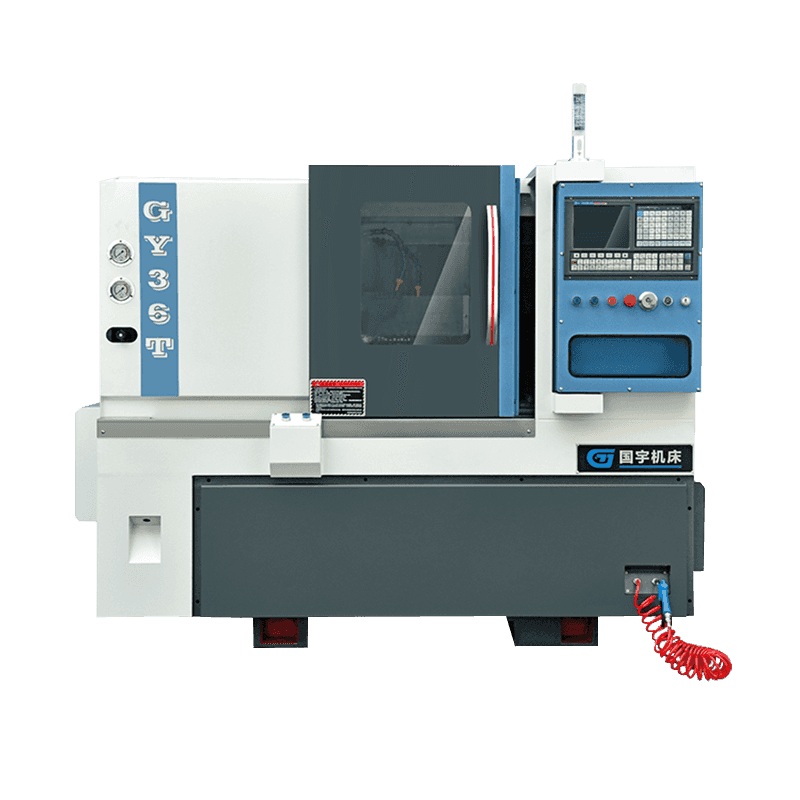
Technical Characteristics: The CNC machine tool for inclined beds adopts the domestic or imported hi...
See Details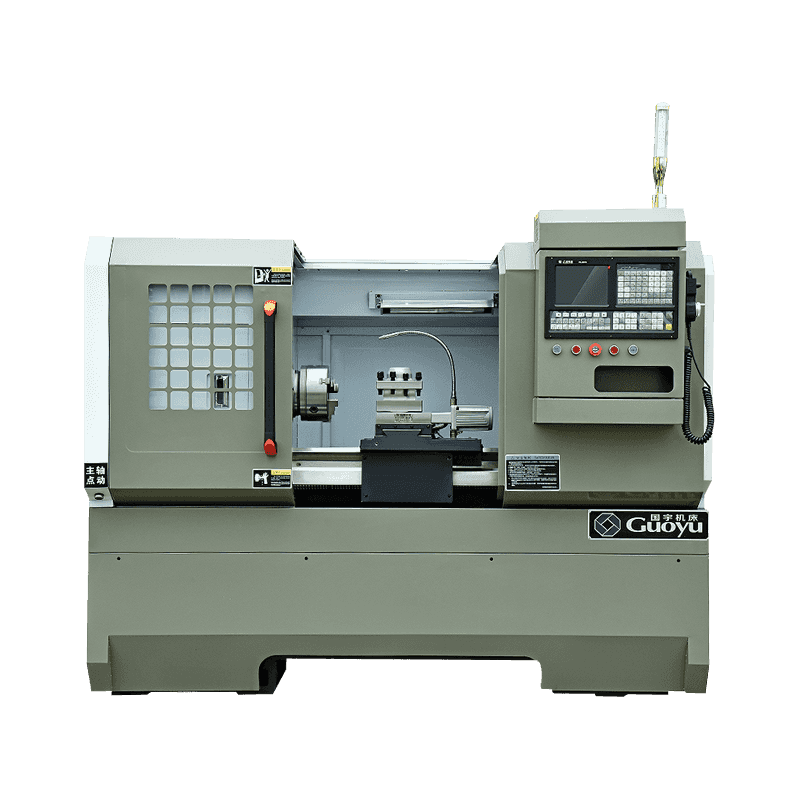
Technical Characteristics: It can cut all kinds of turning surfaces by bicycle, such as conical surf...
See Details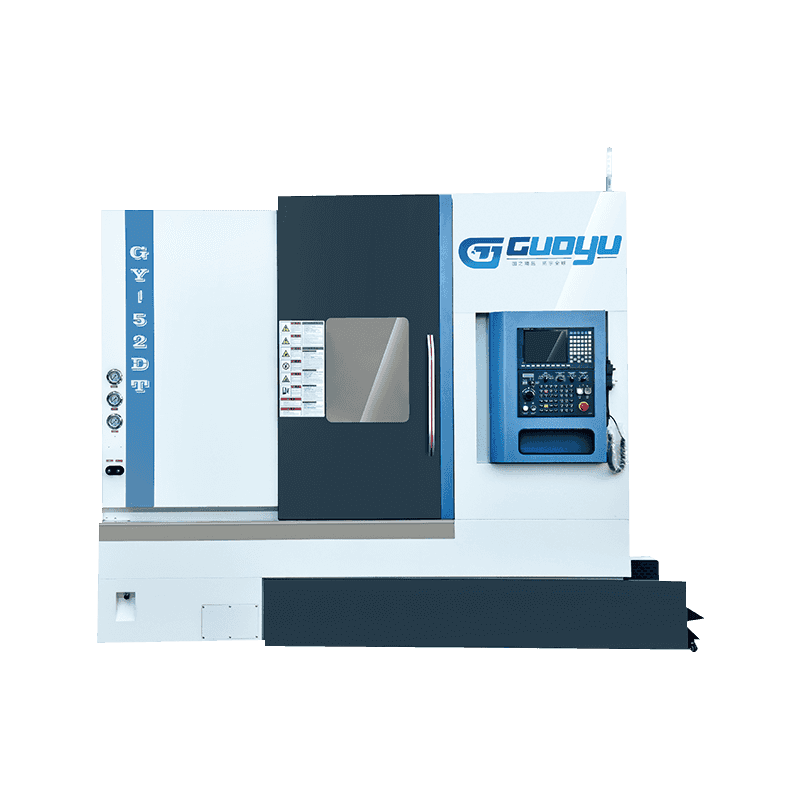
Technical Characteristics: The CNC machine tool for inclined beds adopts the domestic or imported hi...
See Details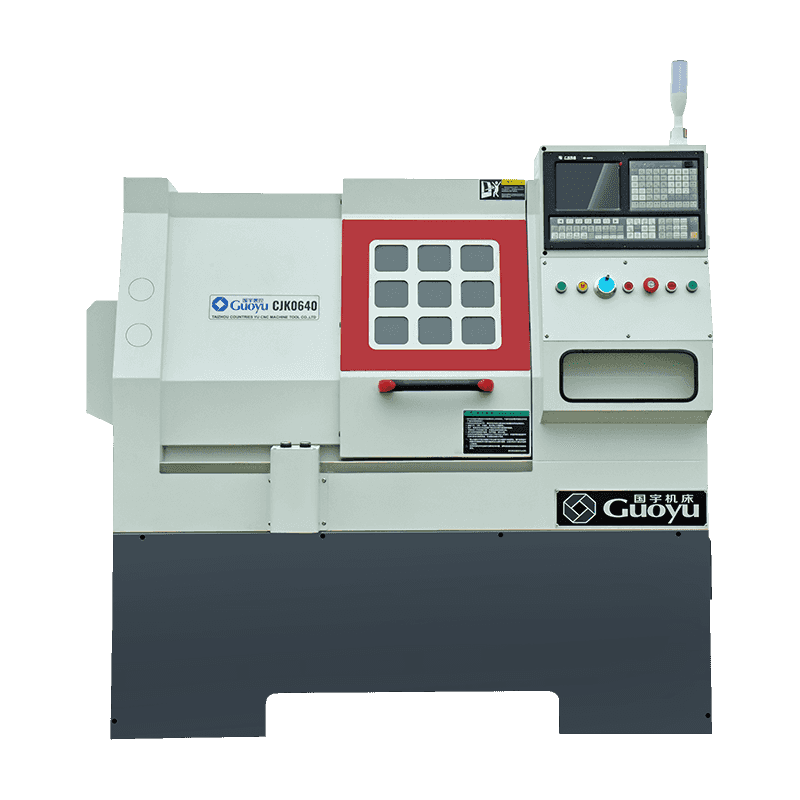
Technical Characteristics: The machine tool is equipped with a quantitative automatic lubrication sy...
See Details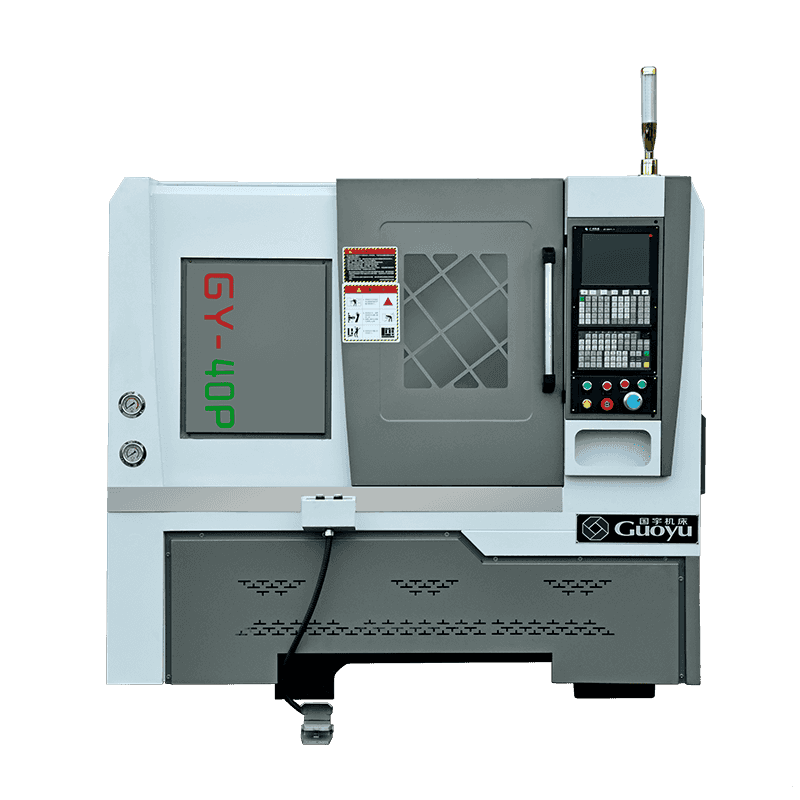
Technical Characteristics: 40P is a kind of small precision machine tool, that is suitable for the e...
See Details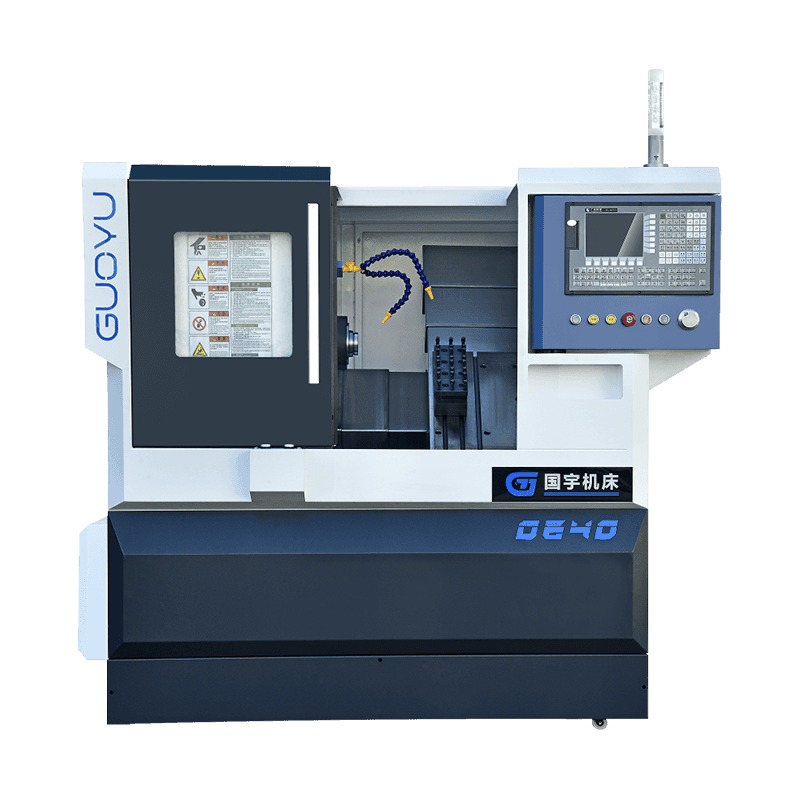
Introducing our Optional Control System CNC Lathe for Metal Processed, a sophisticated and reliable ...
See Details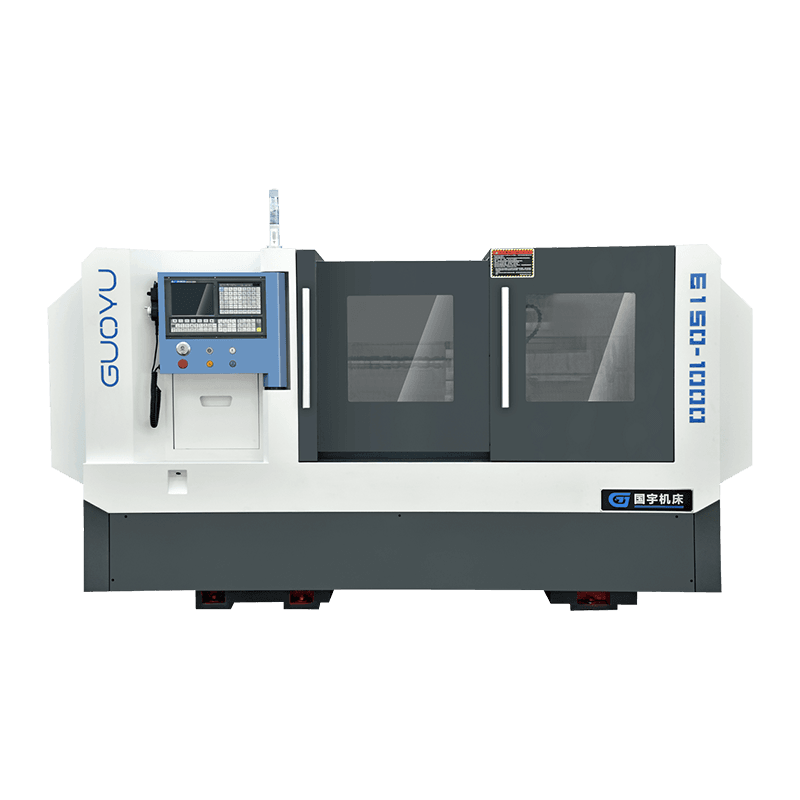
Technical Characteristics: It can cut all kinds of turning surfaces by bicycle, such as conical surf...
See Details
Technical Characteristics:Line Rail CNC lathes are integrally cast with 250 materials to ensure proc...
See DetailsOur team of digital and business experts will guide you to the right direction.
Let's Talk
Zhejiang Guoyu CNC Machine Tool Co., Ltd. relies on rich experience, professional technology and advanced methods to ensure the quality of its products, so that customers can enjoy more professional and thoughtful service.
 [email protected]
 +86-15356565970
 Xialiang Industrial Area, Luqiao District, Taizhou City, Zhejiang Province, China
Copyright © Zhejiang Guoyu CNC Machine Tool Co., Ltd. All Rights Reserved.