English
 中文简体
中文简体 русский
 Español

Technical Characteristics: It can cut all kinds of turning surfaces by bicycle, such as conical surf...
See DetailsWalk through many mid-size manufacturing facilities and you will still find conventional lathes running somewhere on the floor. Not because they are new, and not always because anyone planned to keep them — but because the replacement decision kept getting pushed back. Cycle times stretch, tolerances drift slightly between shifts, a veteran operator retires and his replacement takes six months to reach the same output. None of these problems are dramatic on their own, but they stack up. For facilities now seriously weighing whether to move toward a Heavy Duty CNC Lathe Machine, the comparison with conventional equipment is worth working through carefully — not as a checklist, but as a genuine evaluation of what each machine actually does and where each one breaks down.
On a conventional lathe, the machinist is the machine. Every depth of cut, every feed adjustment, every pass — controlled by hand, informed by feel and experience accumulated over years. That is not a criticism; it reflects how conventional machining works at its core. The operator reads the material and responds. But it also means the output is only as consistent as the operator's condition on a given day.
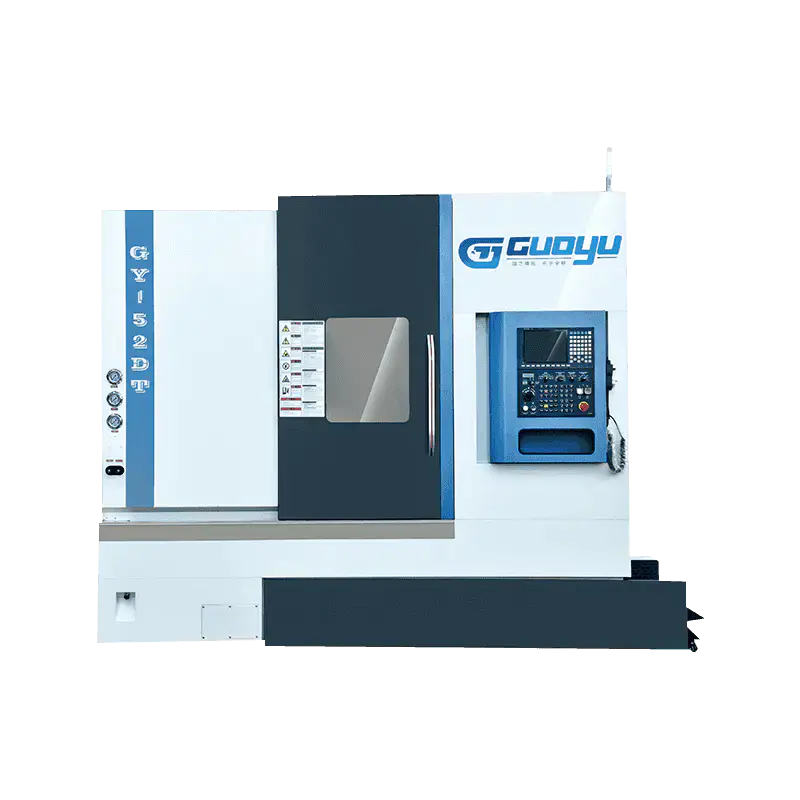
CNC equipment runs from stored programs. The toolpath is defined before the spindle starts turning, and the machine follows it the same way on the hundredth part as on the first. The operator shifts from directly executing cuts to writing the program, verifying the setup, watching for anomalies, and managing changeovers. One experienced programmer can often handle multiple machines at the same time — something that simply does not translate to manual operation.
This is the structural difference, and everything else in the comparison flows from it.
The assumption that CNC automatically cuts labor costs is not wrong, but it deserves more nuance than a simple yes. The savings are real — they just do not show up the same way for every shop.
On a conventional lathe, each machine needs an operator actively engaged for the full duration of the cut. If you want to double output, you add operators. There is no shortcut. On a CNC setup, the operator's time is concentrated at the beginning and end of the cycle — programming, setup, part loading, and inspection — rather than spread across every second of the cut itself. As machine utilization climbs, the labor cost per part comes down.
There are also indirect costs that often go unaccounted. Fatigue plays a real role on conventional equipment, particularly during long operations on heavy workpieces. Cuts made at the end of a shift by a tired operator do not always look like cuts made at the start. CNC does not get tired.
On a small part with a simple geometry? Often yes. On a large shaft or roll that takes forty minutes per pass? The honest answer is that consistency gets harder to maintain as part size, cycle time, and operator endurance all push against each other.
A New CNC Heavy Duty Lathe uses closed-loop feedback to track position and correct deviations continuously throughout the cut. It does not require the operator to notice a drift and compensate — the system handles it without interruption. For components used in power generation, heavy transport, or marine equipment, where dimensional deviation on a large diameter part can cause downstream failures, this kind of embedded correction is not a convenience — it is what makes the part acceptable.
Precision advantages that matter specifically on heavy-duty work:
Spindle speed matters, but it is rarely where the real time goes. The gap in throughput between CNC and conventional machining is mostly visible in setup, changeover, and the handling of repeat jobs.
Every time a conventional lathe is set up for a new part, the process starts from scratch. Tools are positioned by hand, trial cuts are made and measured, adjustments are made again. An experienced machinist can do this efficiently, but it still takes time — and that time multiplies when the job runs frequently. On a CNC machine, a repeat job pulls its stored program and tooling offsets. The time to reach cutting is a fraction of what manual setup requires.
Job shops with mixed workloads see this clearly. Running ten different part numbers in a single shift on a conventional lathe means ten separate setups. On CNC, those programs are already written. The operator's time is spent on useful work, not reinventing the wheel for a part that has run twenty times before.
Purchase price is where the conversation usually starts, and it is where conventional lathes hold an obvious advantage. The equipment is less expensive, the controls are simpler, and the maintenance learning curve is gentler. For shops with tight capital, that matters.
But the purchase price is also just one moment in a machine's operating life. What follows it — labor, consumables, scrap, rework, and capacity constraints — plays out over years. Evaluating CNC on purchase price alone is like evaluating a vehicle on sticker price without accounting for fuel or service.
| Cost Factor | Conventional Lathe | Heavy Duty CNC Lathe Machine |
|---|---|---|
| Initial Equipment Cost | Lower | Higher |
| Labor per Part Produced | Higher — continuous operator input | Lower — cycle runs with oversight |
| Setup Time per Job | Longer, especially for repeat work | Shorter once program exists |
| Scrap and Rework Frequency | Varies with operator consistency | Reduced through process repeatability |
| Output per Shift | Tied to operator pace and endurance | Consistent regardless of shift position |
| Maintenance Requirements | Simpler mechanical systems | Requires trained technicians and support |
| Labor Cost Over Time | Scales with production volume | Relatively stable once capacity is established |
There is no universally correct answer on where the cost crossover happens. Volume, part complexity, shift utilization, and local labor rates all affect the timeline. What can be said clearly is that evaluating CNC only on upfront cost, while leaving operating variables out of the picture, tends to make the conventional option look more favorable than it actually is over time.
Conventional lathes are not going away, and they should not. There are real contexts where they continue to make sense: low-volume custom work, training and skills development, repair shops handling varied one-off jobs, and facilities where the part mix is so unpredictable that programming overhead would outweigh the automation benefit. For these environments, the simplicity and accessibility of conventional equipment is a genuine advantage.
CNC, and specifically heavy-duty configurations, fits a different set of conditions:
The practical boundary is not always about industry category — it is about workpiece characteristics. When the part gets heavy, long, or complex enough that human-controlled consistency becomes unreliable, the case for CNC moves from preference to necessity.
This concern comes up regularly, and it is worth addressing directly rather than dismissing it. The short version: CNC does not deskill a machining team, but it does change what skills are valued.
Conventional lathe operation at a high level takes years to develop. Reading chip formation, adjusting feed by sound, compensating for tool wear mid-pass — these are hard-won capabilities that are genuinely difficult to replace. None of that knowledge becomes useless when CNC enters the picture. In fact, machinists who understand the physics of cutting tend to write better programs and catch problems earlier than programmers who learned CNC without time on a manual machine.
What CNC does require on top of that foundational knowledge: programming logic, toolpath software familiarity, machine alarm interpretation, and the ability to troubleshoot G-code behavior. Shops that have handled the transition well typically cross-train existing machinists rather than replacing them. The learning curve is real, but it is manageable — and the workforce that comes out of it is generally more capable, not less.
The consistency argument still holds regardless of workforce skill level. A very good machinist produces very good parts. A very good CNC program produces identical parts, every time, regardless of who loaded the stock.
In some respects, yes. Conventional lathes have relatively transparent mechanical systems — a limited number of components that many maintenance staff can diagnose and address without manufacturer involvement. A bearing goes, you replace the bearing. A leadscrew wears, the diagnosis is visible and the fix is mechanical.
CNC equipment adds layers: servo systems, encoders, control hardware, and software that interact in ways that are not always obvious from the outside. When something goes wrong, diagnosis may require the manufacturer's diagnostic tools or a technician trained on that specific control platform. Depending on where the facility is located, getting that support quickly can be a challenge.
This is a real argument for prioritizing service infrastructure when evaluating a CNC Lathe Factory or supplier. The machine's rated specifications matter, but so does the question of what happens when something fails at the wrong time. A supplier with regional service capability, fast parts availability, and a responsive after-sales team provides a different ownership experience than one that ships well but disappears afterward.
Partnering with a competent CNC Lathe Supplier early — during evaluation, not after purchase — often means service terms, spare part arrangements, and remote support protocols are established before they are needed urgently.
There is seldom a reason to treat this as a binary switch. Many facilities that have done it well took an incremental approach — bringing CNC in for the work that benefits from it, while keeping conventional equipment running for the jobs where it still makes sense. Hybrid floors are common and practical during transition periods.
A workable sequence for evaluation:
The order matters. Shops that select equipment and then work backward to justify the decision tend to run into avoidable problems. Starting from production requirements and working toward supplier selection tends to produce better fits.
The machine is what gets evaluated in a spec sheet comparison. But the supplier relationship extends across the full working life of the equipment. A CNC lathe that runs reliably for twelve years and gets responsive support when it does not is worth considerably more than a cheaper machine that takes weeks to get service for.
Questions that tend to reveal more than spec comparisons:
Not all of these questions have straightforward answers, but how a supplier responds to them tells you much about what the relationship will actually look like after installation.
Getting the equipment decision right is less about choosing the newer technology and more about matching capability to the actual demands on the floor. A Heavy Duty CNC Lathe Machine and a conventional lathe are not competitors in a straightforward sense — they are tools with different strengths, and the right choice depends entirely on what the facility needs to produce, in what volumes, and with what level of consistency. Conventional equipment still earns its place in certain environments, and that is worth acknowledging honestly. But for manufacturers regularly working with large, heavy, or geometrically complex parts, where consistency across shifts and across operators is a practical necessity rather than a preference, the case for CNC is grounded in real operational differences that compound over time.
If your facility is at the point of evaluating this transition, Zhejiang Guoyu CNC Machine Tool Co., Ltd. produces heavy-duty CNC lathe configurations built for demanding industrial applications. Their engineering team works with customers through the selection process — not just to recommend a machine, but to understand the workpiece range, production environment, and service requirements before a configuration is proposed. Whether you are sourcing a New CNC Heavy Duty Lathe for a capacity expansion or replacing aging conventional equipment, reaching out to their team is a practical way to move from evaluation to a configuration that actually fits what your production floor needs.
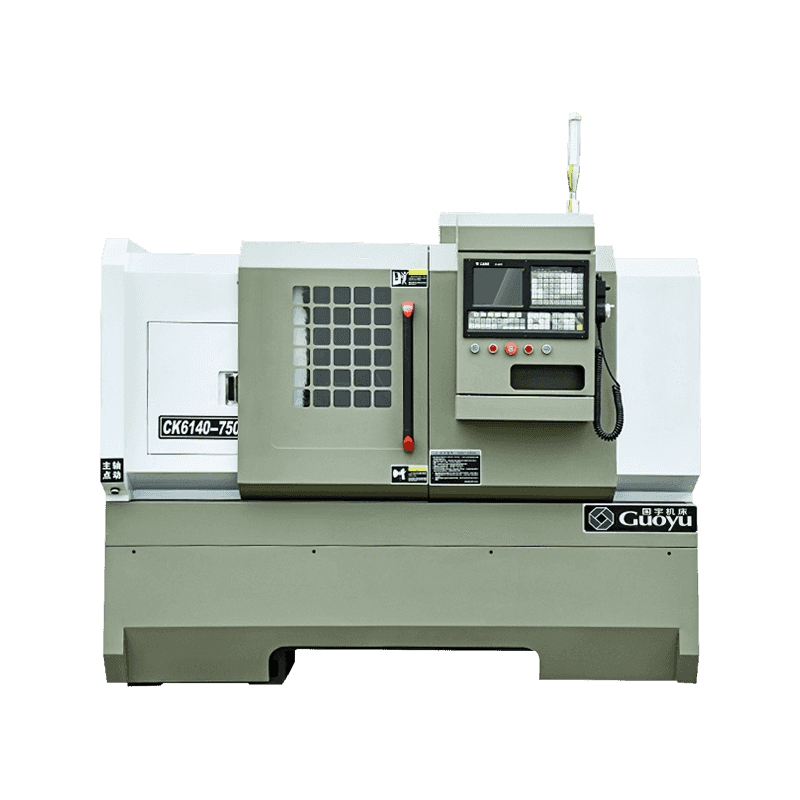
Technical Characteristics: It can cut all kinds of turning surfaces by bicycle, such as conical surf...
See Details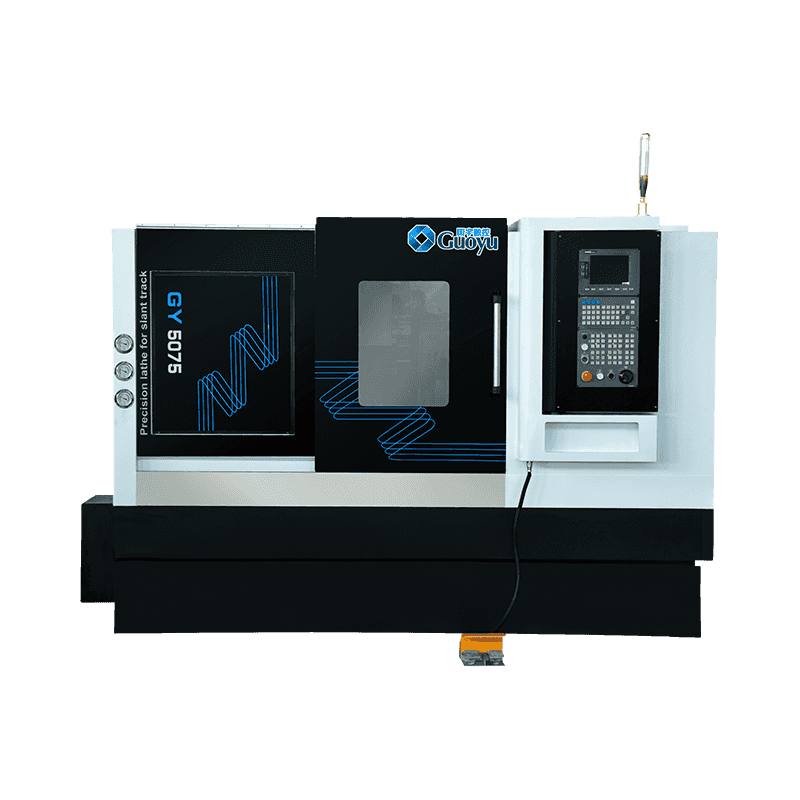
Technical Characteristics: The CNC machine tool for inclined beds adopts the domestic or imported hi...
See Details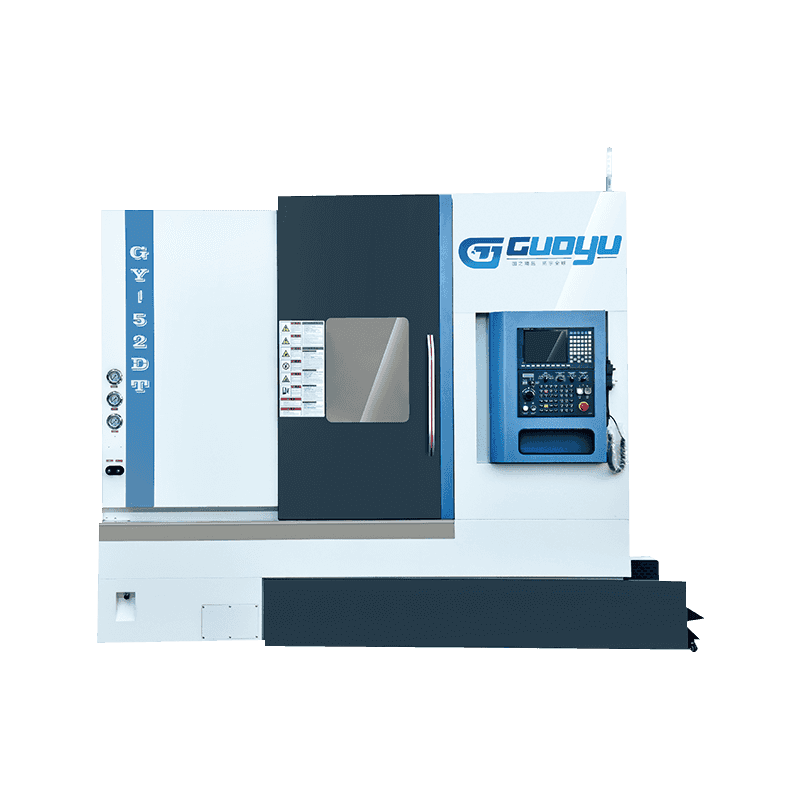
Technical Characteristics: The CNC machine tool for inclined beds adopts the domestic or imported hi...
See Details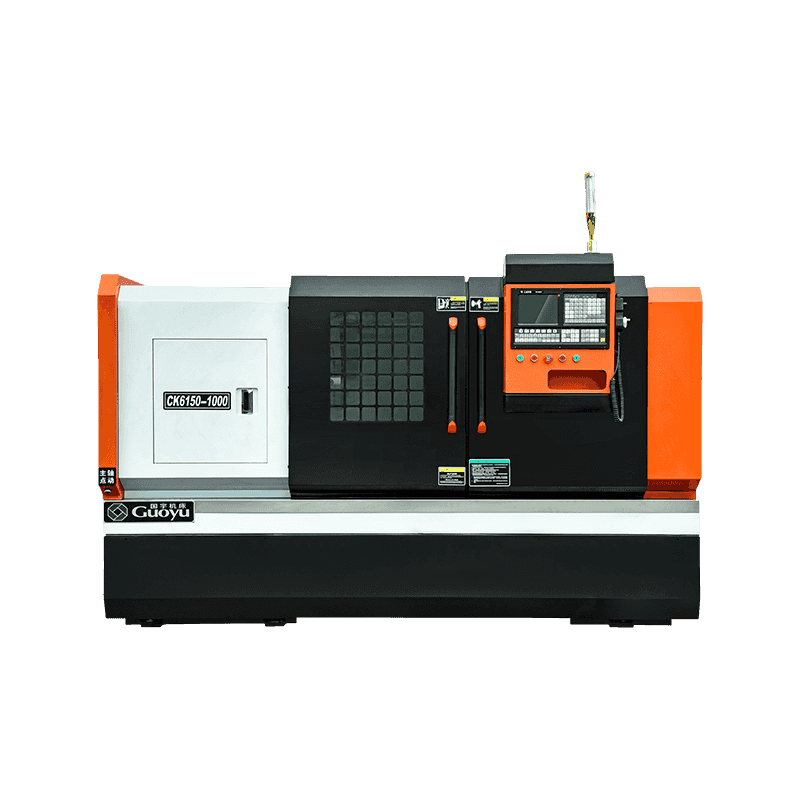
The Heavy Cutting Hard Guideway CNC Lathe For Metal Cutting is a really tough, heavy-duty machining ...
See Details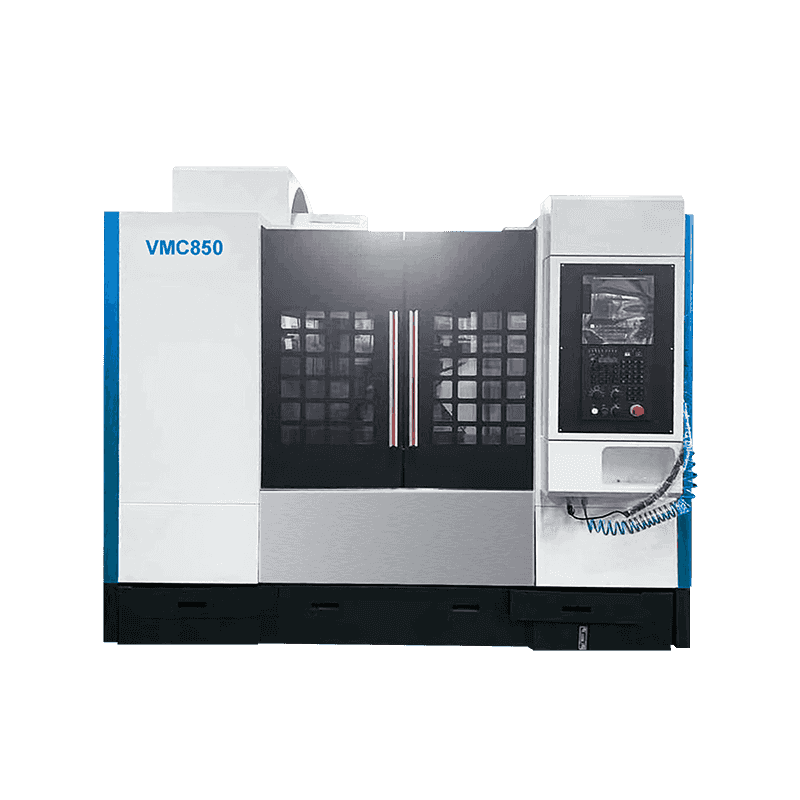
Technical Characteristics The machine tool is a single-column vertical guideway structure. The colum...
See Details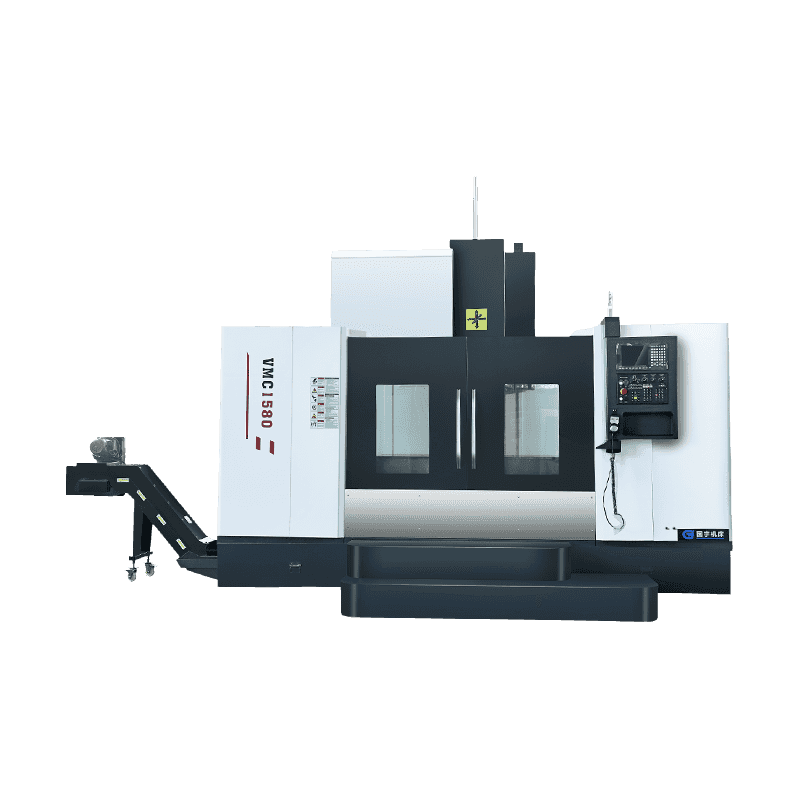
We are pleased to present the VMC1580 High-Speed Vertical Machining Center, a reliable and efficient...
See Details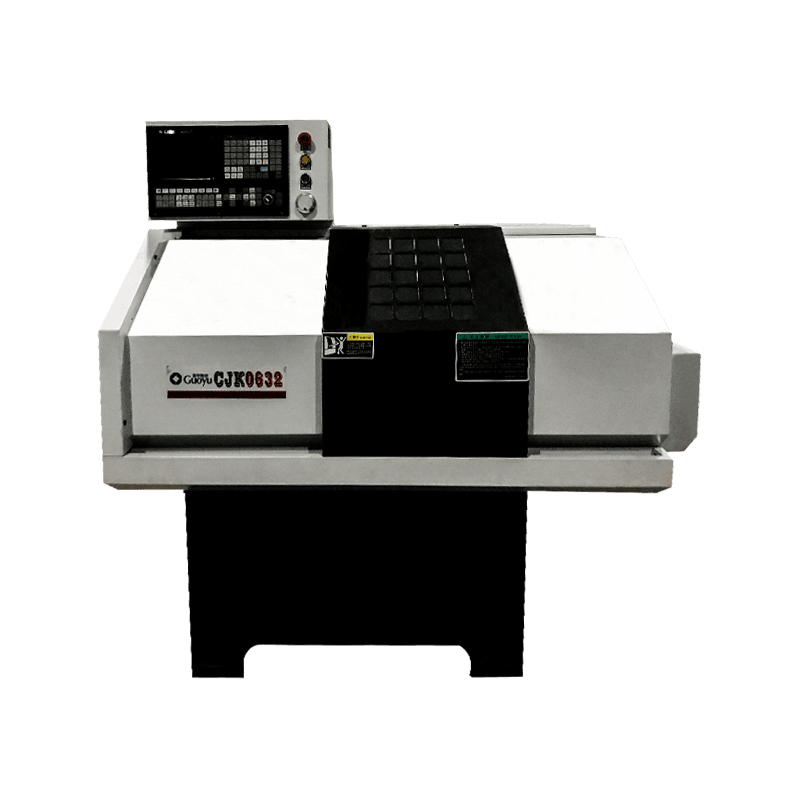
The Precision Line Rail Precision CNC Lathe is a completely practical machining choice if you want t...
See Details
Technical Characteristics: It can cut all kinds of turning surfaces by bicycle, such as conical surf...
See DetailsOur team of digital and business experts will guide you to the right direction.
Let's Talk
Zhejiang Guoyu CNC Machine Tool Co., Ltd. relies on rich experience, professional technology and advanced methods to ensure the quality of its products, so that customers can enjoy more professional and thoughtful service.
 [email protected]
 +86-15356565970
 Xialiang Industrial Area, Luqiao District, Taizhou City, Zhejiang Province, China
Copyright © Zhejiang Guoyu CNC Machine Tool Co., Ltd. All Rights Reserved.