English
 中文简体
 русский
 Español


The Conjoined 45° Oblique Gauge Cutter Precision CNC Horizontal Lathe is a really practical turning ...
See DetailsA metal part often starts as a plain rod or a short cylinder. It looks nothing like the component it will become. Turning changes that. The stock gets a defined shape, a smooth surface, and the right dimensions. A high speed lathe does this by spinning the workpiece while a cutting tool shaves off the material you don't need.
The idea is simple, but several actions have to work together. The machine must grip the workpiece firmly, rotate it under control, and guide the cutting tool along the right path. Operators also have to think about the material, the part's shape, and the state of the cutting edge.
Many metalworking shops rely on turning in their production. Knowing how these machines work explains how they shape parts, manage surface quality, and handle different jobs.
A lathe is a machine tool that shapes a rotating workpiece by cutting material away with a tool. It follows the same turning principle as other lathes. Its setup is meant to support fairly fast rotation when the job allows it.
A clamping device holds the workpiece, which spins around its center axis. The cutting tool touches the outer surface or another reachable area. As the tool moves, it takes off thin layers and gradually builds the required shape.
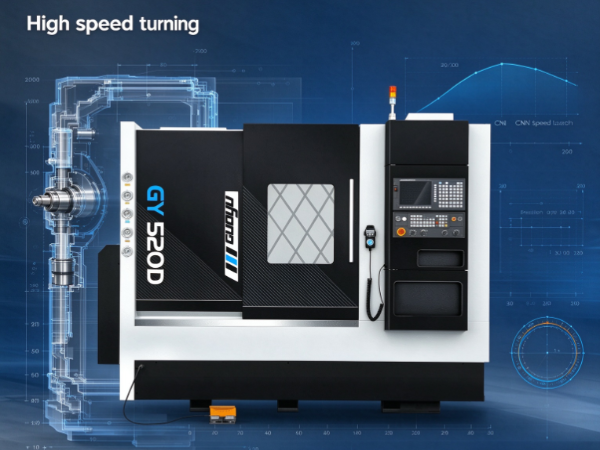
With it, you can make cylindrical parts, reduce a diameter, cut shoulders and grooves, and prepare surfaces for later steps. The exact tasks depend on the machine design, the tooling, the workpiece geometry, and what production demands.
A lathe is not just an ordinary lathe turned up to a higher setting. Good performance also depends on how the machine deals with movement, cutting forces, vibration, and heat. With the right setup, it removes material at a sensible rate and still keeps the part under control.
Spindle speed and production speed are also different things. A workpiece can spin fast while the whole job still drags, because setup, tool changes, inspection, or part handling take time. The machine supports the full turning process. Fast rotation is only one piece of it.
Turning starts with material prepared for machining. That might be a metal bar, a cut section, or an existing component that needs more shaping. Its condition affects how you arrange the job.
Next, the workpiece goes into the machine and is secured. Clamping matters because the material must stay stable while it spins. A poorly supported piece can shift, vibrate, or cut inconsistently.
Then the operator positions the cutting tool so it approaches the material along a suitable path. Once the machine starts, the workpiece rotates and the cutting edge removes material from the surface.
You can think of the process as a chain of linked actions:
These actions repeat throughout the cycle. As the shape develops, the operator may adjust the tool path or cutting conditions. Some parts need only one simple external cut. Others need several passes to form different surfaces.
Take a round rod that needs a smaller diameter near one end and a flat shoulder between two sections. The lathe removes material along the rod to form the reduced area, then cuts the transition between the two diameters. The final shape comes from the tool path and how much material is taken off.
In short, turning combines rotation with tool movement. The machine supplies the motion. The setup decides how that motion changes the workpiece.
Every major part has its own job. The machine works as one system, so the condition of one component can affect the rest.
| Main component | Function in the turning process |
|---|---|
| Bed | Provides a stable base and supports the main moving assemblies. |
| Headstock | Houses the mechanism that drives the spindle. |
| Spindle | Rotates the workpiece through the clamping arrangement. |
| Chuck or other holding device | Secures the material during machining. |
| Tool post or tool holder | Holds the cutting tool in its working position. |
| Carriage and slides | Guide tool movement along the required path. |
| Tailstock, when fitted | Supports suitable workpieces or holds certain tools. |
| Control system | Helps manage machine movement and operating functions. |
The bed is the foundation. It keeps the workpiece and cutting tool in the right relationship. If the structure is unstable or poorly maintained, accurate movement gets harder.
The spindle and the holding device work as a pair. The spindle provides rotation, and the chuck or fixture grips the workpiece. Their arrangement has to suit the material's shape and the operation.
The tool holder keeps the cutting edge where it belongs, which decides where the tool meets the spinning material. The carriage and slides guide the tool, so the operator or control system can follow the planned cut.
Some lathes have a tailstock to support long workpieces or hold tools for particular jobs. Whether you need one depends on the part and the machine configuration.
The control system coordinates selected movements and functions. On a manual machine, the operator handles most tool movement directly. On a computer-controlled model, programmed instructions guide the motions. The turning principle stays the same either way.
Rotational speed sets how often the cutting edge passes over the workpiece surface. As the material spins, the tool meets a moving surface and removes material along its path.
Under the right conditions, higher speed can mean faster material removal. It can also help reach a certain surface finish when the tool, material, machine, and setup are compatible. Speed alone doesn't decide the result, though.
Materials cut differently. Some are easy to shape. Others resist more or put extra strain on the cutting edge. Tool geometry and tool condition also affect how the material separates.
Workpiece shape matters too. A short, rigid part behaves differently from a long, slender rod. A part that sticks out too far from its support can become unstable while spinning. In that case, raising the speed without fixing the support may cause vibration or an uneven surface.
Heat is another concern. Cutting creates friction and deformation where the tool meets the material. That heat can affect the cutting edge, the workpiece surface, and the consistency of the process. The right conditions depend on the material and the kind of cut.
Consider these factors together:
The goal is a workable balance. A suitable speed supports the cut without putting needless stress on the tool or machine. That's why high speed turning means choosing the right conditions, not just picking the fastest setting.
A lathe can do several turning operations, depending on its design and available tools. Many jobs combine more than one, since a finished part may have several diameters, transitions, or surface features.
External turning reduces the outside diameter. The tool travels along the spinning material and cuts from its outer surface. It's common for shafts, pins, and other cylindrical parts.
Facing makes a flat surface on the end of a workpiece. The tool moves across the end face as the material turns. It can create a reference surface or bring the part to length.
Grooving cuts a narrow recess. You might need one for a retaining ring, a seal, or another feature that fits into a defined space. The tool must match the groove's shape and width.
Parting separates a finished section from the remaining stock. The tool feeds into the rotating material until the piece comes free. Good support and tool alignment matter, because the material gets less stable near the end of the cut.
Boring, where the machine and tooling allow, enlarges or finishes an existing hole. The tool works inside the opening to change its internal surface or size.
Threading cuts a helical groove on an external or internal surface. The tool movement has to be coordinated so the thread follows the intended form.
These operations don't share one setup. Tool choice, workpiece holding, and movement paths must fit the feature you're making. Some parts need only a few cuts. Others need a sequence of operations with checks in between.
What's possible also depends on the machine. A basic lathe covers common turning work. A more specialized configuration may handle extra operations or automated steps.
A machined part needs the right shape and dimensions. Its surface should also suit the next manufacturing step or the environment where it will work. Several factors shape these results, and they often affect one another.
Tool condition is one of them. A worn cutting edge can leave a rougher surface, raise cutting resistance, and make dimensions harder to hold. Checking the tool and replacing it when needed keeps the process steady.
Clamping matters just as much. The material must be held firmly but not crushed by too much pressure. Poor positioning can cause runout, uneven cutting, or movement during machining. Long workpieces may need extra support to limit unwanted motion.
Machine condition counts too. Worn slides, loose connections, poor alignment, or spindle problems all disturb the relationship between tool and workpiece. Regular maintenance catches these issues before they cause repeated defects.
The operator's setup choices matter all the way through. Tool position, cutting path, material selection, and the order of operations all affect the outcome. A sensible sequence can also cut down on handling and make inspection easier.
| Quality concern | Possible cause | Practical response |
|---|---|---|
| Rough surface | Worn tool, unsuitable cutting conditions, or vibration | Check the cutting edge and review the setup. |
| Incorrect dimensions | Tool position, machine condition, or setup error | Inspect the part and verify tool alignment. |
| Uneven finish | Unstable workpiece or inconsistent tool movement | Check clamping and the cutting path. |
| Excessive heat | Unsuitable cutting conditions or tool wear | Review the material, tool, and operating setup. |
| Repeated defects | A persistent setup or maintenance problem | Identify the cause before continuing production. |
Build inspection into the machining process instead of saving it for the end. Checking a part mid-production can reveal a developing problem while you can still fix the setup. The right inspection method depends on the part's shape, required fit, and intended use.
How useful a lathe is depends on the work a facility does. In a shop making small metal parts, it might turn pins, sleeves, spacers, and similar pieces. They start as simple stock and reach their final form through a series of controlled cuts.
In automotive manufacturing, turning can help produce shafts, bushings, connectors, and other cylindrical parts. The machine arrangement depends on the part design and the wider production process. Some parts need more machining after turning. Others go straight to inspection or assembly preparation.
General engineering shops may use a lathe for repairs, prototypes, replacement parts, and short runs. Being able to change tooling and adjust the cutting path helps when jobs vary in shape or quantity. Setup time still counts, especially when the shop handles many different parts.
High speed lathes can also sit inside a larger production line. Material goes in, gets turned and checked, then moves to another process. How much of this is automated depends on the equipment and the production system.
| Production setting | Typical turning tasks | Main considerations |
|---|---|---|
| General metalworking | Shafts, pins, sleeves, and custom parts | Flexibility and setup requirements |
| Automotive components | Cylindrical and stepped parts | Repeatability and inspection |
| Repair workshops | Replacement parts and surface correction | Workpiece variation and tool selection |
| Component production | Repeated turning operations | Consistent setup and part handling |
| Prototype work | Trial parts and design adjustments | Tool access and ease of modification |
Match the machine to the work, not just to a speed figure. Workpiece size, production volume, material type, and the complexity of the shape all decide whether a given lathe fits.
Safe, consistent operation starts before the spindle turns. Operators should confirm that the machine, the workpiece, and the cutting tools are ready for the task.
Secure the workpiece properly, with the holding device tightened and the material positioned as needed. Pay close attention to any part that sticks out far from its support, because rotation makes instability worse. Follow the machine's operating instructions for the setup.
The cutting tool should suit the material and the operation. It must sit securely and be positioned correctly. A damaged or badly installed tool can spoil the cut and create a safety risk.
Also look over the machine for visible damage, loose components, and signs that something is off. Guards and protective devices must be in place and used as intended. Operators should know how to stop the machine safely and understand the controls before they start.
Before a job, run through these points:
While the machine runs, don't ignore odd noise, vibration, heat, or visible movement. They can point to a problem with the tool, the workpiece, or the setup. Stop safely and find the cause before you resume.
Routine cleaning and maintenance keep the machine reliable. Clear chips with proper tools, check lubrication needs, and inspect key components. Follow the machine's instructions and your workplace safety procedures for these tasks.
A high speed lathe works by coordinating a rotating workpiece with a cutting tool. The results depend on how machine condition, material behavior, tooling, and operator decisions fit together. When they suit the job, the machine can handle a wide range of turning tasks in many manufacturing settings.
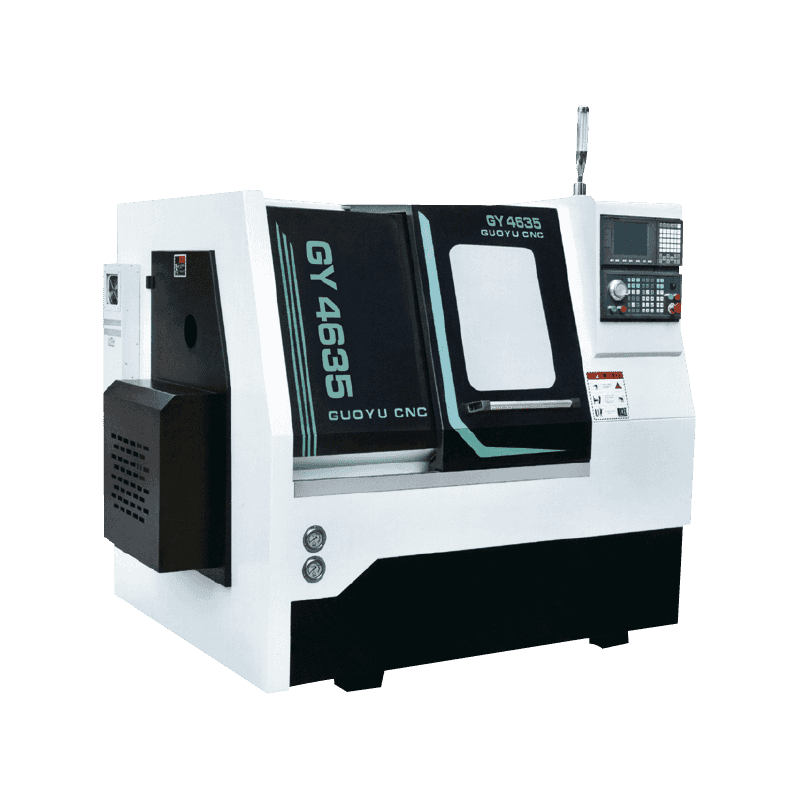
The Conjoined 45° Oblique Gauge Cutter Precision CNC Horizontal Lathe is a really practical turning ...
See Details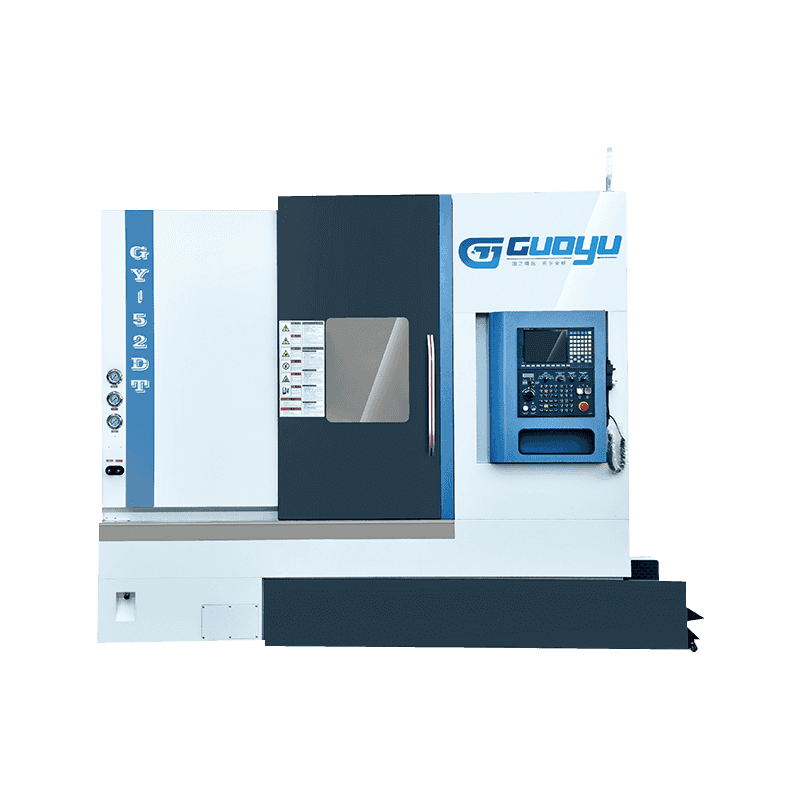
Technical Characteristics: The CNC machine tool for inclined beds adopts the domestic or imported hi...
See Details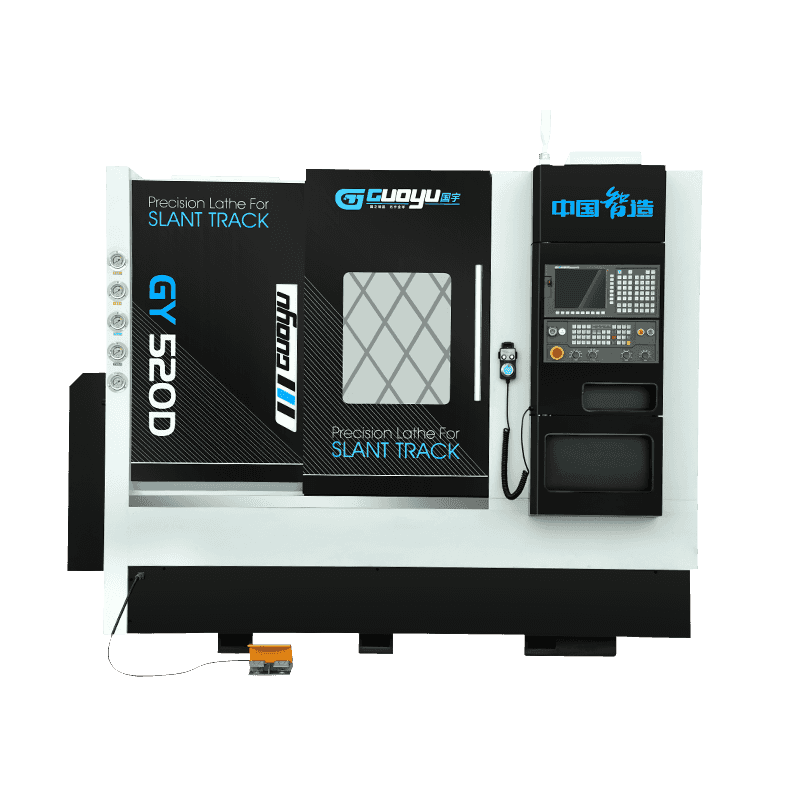
Technical Characteristics: The CNC machine tool for inclined beds adopts the domestic or imported hi...
See Details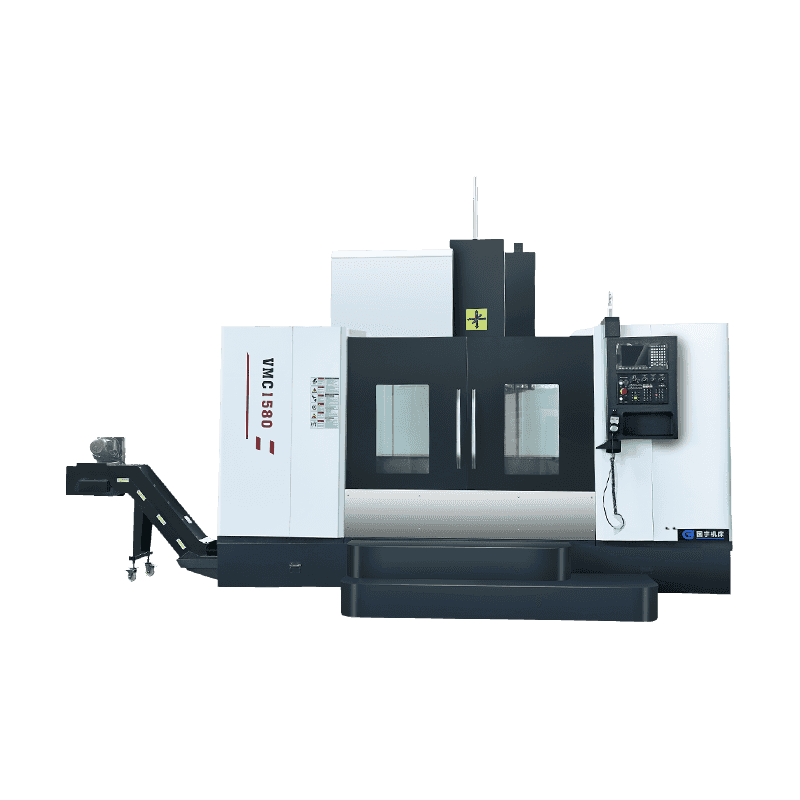
We are pleased to present the VMC1580 High-Speed Vertical Machining Center, a reliable and efficient...
See Details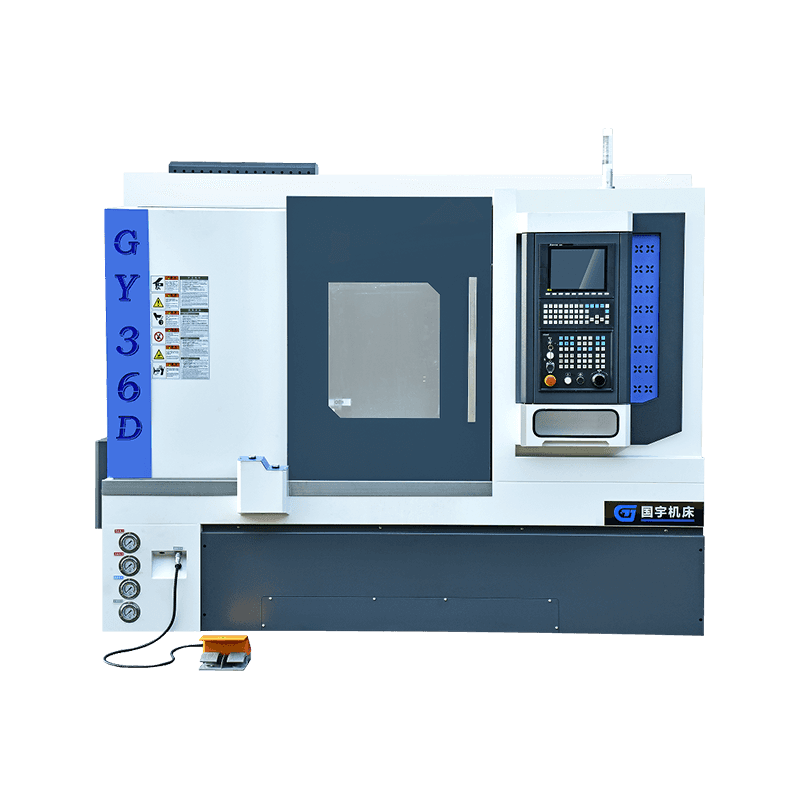
Technical Characteristics: All lathes are integrally cast with 250 materials to ensure processing ri...
See Details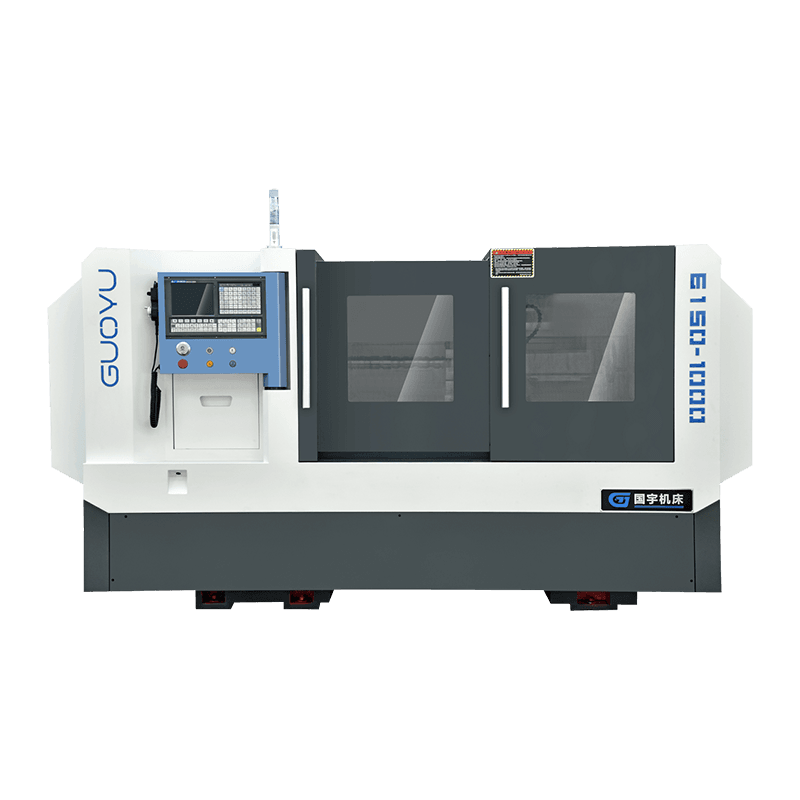
Technical Characteristics: It can cut all kinds of turning surfaces by bicycle, such as conical surf...
See Details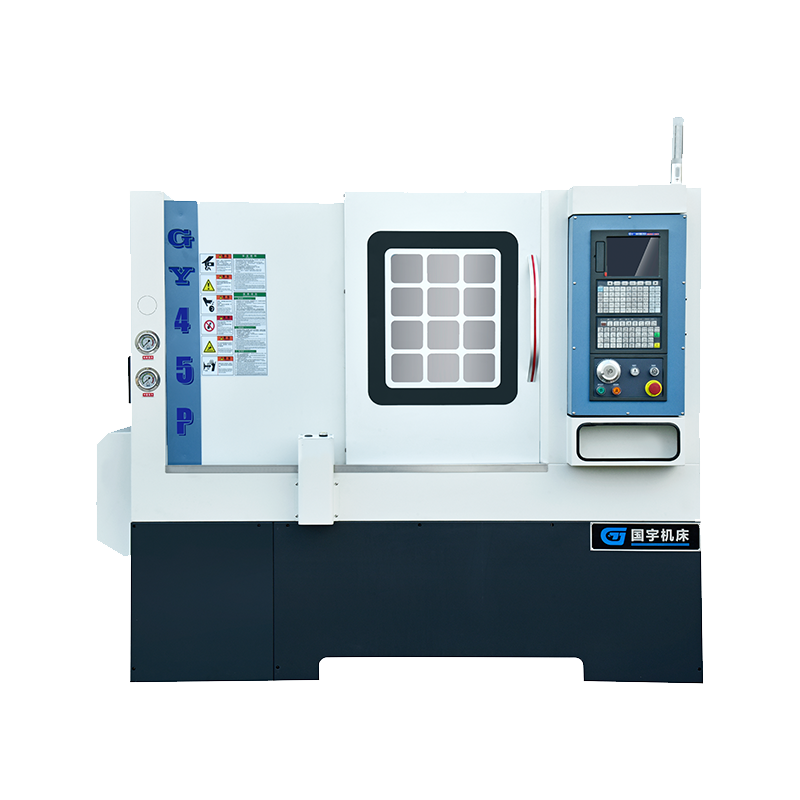
Technical Characteristics:Based on international advanced technology, the design of this machine too...
See Details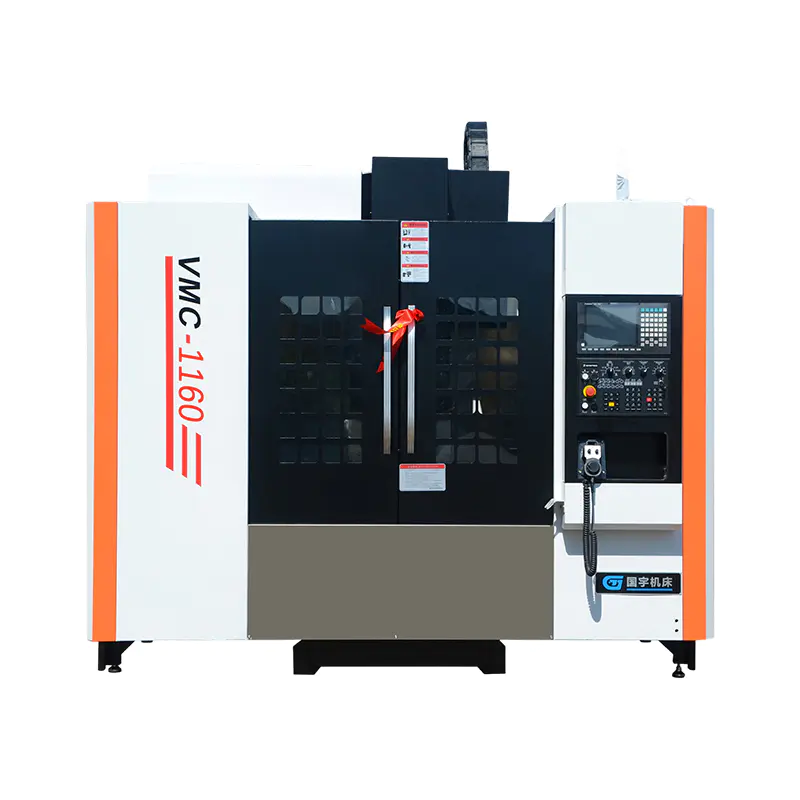
After-sales service commitment: 1. From the date of acceptance, the machine tool host is under warra...
See DetailsOur team of digital and business experts will guide you to the right direction.
Let's Talk
Zhejiang Guoyu CNC Machine Tool Co., Ltd. relies on rich experience, professional technology and advanced methods to ensure the quality of its products, so that customers can enjoy more professional and thoughtful service.
 [email protected]
 +86-15356565970
 Xialiang Industrial Area, Luqiao District, Taizhou City, Zhejiang Province, China
Copyright © Zhejiang Guoyu CNC Machine Tool Co., Ltd. All Rights Reserved.