English
 中文简体
中文简体 русский
 Español

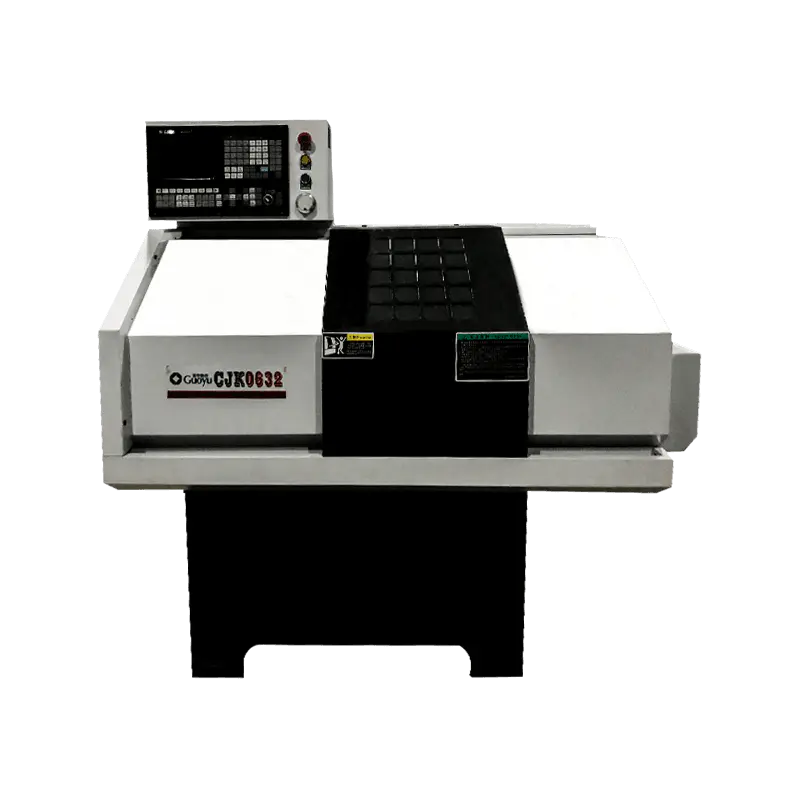
Technical Characteristics: It can cut all kinds of turning surfaces by bicycle, such as conical surf...
See DetailsA machinist staring at a new drawing that looks deceptively simple on paper, only to realize the part's internal features and shoulder placement won't cooperate with the current setup, knows exactly how quickly a straightforward job can turn complicated. Changes in diameter, length, grooves, holes, threads, shoulders, or surface requirements can all affect how a part actually needs machining. Buyers run into another concern too: a machine arrangement that works well for one component may not fit the next design that comes through the door.
This is where a Custom CNC Lathe approach earns its keep. Instead of treating every component as some standard machining job, manufacturers can consider the part geometry, production process, workholding method, tooling arrangement, and expected workflow together as one connected picture. The goal is creating a machining solution that fits the part, rather than forcing different parts into a setup that was never really built for them.
As product designs keep getting more varied, customization is also becoming more tightly connected with practical manufacturing decisions. Machine configuration, tooling access, operator requirements, and production planning can all shape how effectively a CNC lathe solution actually adapts to different part designs coming through the shop.
Not every turned component shares the same manufacturing characteristics, even when two parts look similar sitting side by side on a shelf.
A simple cylindrical part might need a relatively straightforward machining sequence. Another component could include multiple diameters, internal features, grooves, threads, or angled sections that complicate things considerably. Even when two parts share similar dimensions, their machining requirements can look completely different once you get into the details.
The machine solution needs to reflect these differences rather than treating everything the same way.
| Part Feature | Possible Manufacturing Consideration |
|---|---|
| Multiple diameters | Tool access and machining sequence |
| Grooves | Suitable tooling arrangement |
| Internal openings | Boring and access requirements |
| Threads | Threading capability and tool selection |
| Long profiles | Workholding and support |
| Complex end features | Tool positioning and process planning |
This doesn't mean every unusual part demands a completely new machine, though. Often, the existing machine platform can adapt through suitable tooling, fixtures, programming, or configuration changes, without needing a whole new investment.
The important step is understanding the part before selecting the manufacturing approach, not the other way around. For buyers, this reduces the risk of choosing equipment based only on general machine descriptions that sound good on paper but don't match the actual job.
Part geometry is one of the main factors shaping CNC lathe selection in practice.
A component with a straightforward external profile might suit a different configuration than a part requiring multiple machining operations from several directions at once. Machine configuration determines how the workpiece and cutting tools actually interact with each other throughout the job.
A well-matched arrangement makes tool movement a lot more straightforward and cuts down on unnecessary repositioning between operations.
For example, a part with several external features might benefit from a machine configuration providing convenient access to different cutting positions. A component with internal features might need a setup letting tools reach the required areas without interfering with other sections of the part.
Manufacturers can consider:
These factors together help define the appropriate machine arrangement for the job at hand. The goal isn't making the machine more complicated than it needs to be. It's creating a configuration that genuinely fits the actual manufacturing task in front of the shop.
A High Speed CNC Lathe gets considered when the production process places real emphasis on efficient material removal and repeated machining operations running through the day.
Speed alone shouldn't determine machine selection, though. A machine needs to maintain appropriate control while producing the required part features, not just run fast for its own sake. If a component requires careful finishing, multiple tool changes, or complex machining sequences, the complete process deserves evaluation rather than focusing on speed in isolation.
High-speed machining proves useful for suitable parts where the machine, tooling, material, and process are all properly matched to each other.
It's worth considering for applications involving:
The right choice really depends on the part in question. A complicated component might benefit more from flexible tool access than from simply cranking up machining speed. This is why manufacturers often assess the entire production workflow before recommending a machine configuration, rather than treating speed as the deciding factor.
A Horizontal Turret Lathe provides a practical arrangement for parts requiring several turning operations one after another.
The turret structure lets different tools get positioned for different machining tasks without a lot of manual fuss. This helps reduce the need to manually swap tools during a repeated production process, which saves real time across a shift.
For parts with multiple external features, this arrangement supports a planned sequence of operations that flows logically from one step to the next.
For example, one tool might handle an outer surface while another handles a groove or threading operation. The machine moves between these tools according to the programmed process, without an operator standing there swapping tooling by hand each time.
The actual suitability still depends on the part design in front of you.
| Part Requirement | Turret-Related Consideration |
|---|---|
| Multiple turning operations | Tool organization |
| Grooves | Tool access |
| Threading | Suitable tool position |
| Facing | Convenient tool selection |
| Repeated production | Consistent tool sequence |
This type of arrangement proves useful when a component contains several features needing machining in an organized sequence. The turret isn't simply a tool holder sitting on the machine — it becomes part of the actual manufacturing strategy for the job.
Tool selection can shift quite a bit between part designs, even within the same product family.
A basic shaft might need only a small selection of cutting tools. Another component could need tools for facing, turning, grooving, threading, drilling, or internal machining all in one setup.
A custom solution gets developed around these specific requirements. The manufacturer reviews the part drawing and determines which tools are needed, how they should get positioned, and how the machining sequence should get arranged from start to finish.
This can involve:
This approach helps avoid a situation where the machine technically supports the part but still requires unnecessary manual intervention throughout the run.
Tooling flexibility proves particularly useful when a manufacturer produces several related components. Instead of designing a completely separate process for every single part, the same machine can get configured to accommodate a whole group of similar products.
A CNC lathe solution can sometimes accommodate a real range of parts, but the practical range depends heavily on machine configuration and application requirements specific to that shop.
Part size is only one consideration here. Shape matters just as much. Two components with similar overall dimensions might still require different machining approaches if their internal features or external profiles differ from each other.
Workholding is another important factor to weigh. The part needs to stay properly positioned throughout machining, and a solution that works well for one component might not suit another if the workholding arrangement changes significantly between the two.
Buyers should therefore consider:
A flexible solution proves valuable when a manufacturer produces several part families rather than one repeating job. The goal is creating enough flexibility to handle genuine product variation without piling unnecessary complexity onto the manufacturing process.
Manufacturers often deal with more than one production model running through their shop at any given time.
Some produce a single component repeatedly, week after week. Others handle several part designs, smaller production runs, or products that shift as customer requirements develop over the course of a project.
In these environments, customization helps the machine adapt to different manufacturing tasks without a complete overhaul each time. A flexible setup can allow changes in:
This makes it a lot easier to move between related products without starting from scratch each time.
For example, a manufacturer producing several versions of a turned component might need similar operations but different profiles across the family. A carefully planned CNC solution lets the machine accommodate these changes without rebuilding the entire production approach from the ground up every time a variant comes through.
The real value comes from matching flexibility with actual production needs, not building in more capability than the job calls for. Too little flexibility makes product changes genuinely inconvenient. Too much unnecessary complexity can make operation and maintenance a lot harder than they need to be. A balanced approach usually proves more practical in the long run.
A useful conversation with a machine manufacturer should start with the parts, not the machine model number.
Buyers can bring drawings, material information, production requirements, and examples of related components to the initial conversation. The manufacturer can then assess how the machine configuration should respond to the actual application.
Important topics worth covering include:
Part design. Explain the major external and internal features the part carries.
Production method. Describe whether the parts get produced repeatedly or in changing batches over time.
Tool requirements. Identify operations such as turning, facing, grooving, threading, or drilling that the job needs.
Workholding. Discuss how the component needs positioning and securing during machining.
Changeover. Explain how often the machine might need to move between different part designs.
Future products. If additional part designs are expected down the road, mention them during the planning stage rather than after the machine's already ordered.
This information helps prevent a machine from getting selected around just one current component, only to fall short once the product line grows. Manufacturing requirements change over time, and a solution with some room for adaptation tends to offer greater practical value once the product range actually develops.
Modern CNC lathe development is increasingly tied to the sheer variety of parts manufacturers need to produce these days.
The focus isn't simply machining one shape repeatedly anymore. Manufacturers often need to handle several components at once while maintaining organized processes and consistent production practices across the shop.
This is encouraging a lot more attention to adaptable machine configurations, tool organization, workholding options, programming flexibility, and application-specific design choices.
A Custom CNC Lathe solution brings these elements together around the actual part in question. The process starts with understanding what the component genuinely requires. Machine configuration then gets considered alongside tooling, workholding, machining sequence, and future production needs as one connected effort.
For buyers comparing a High Speed CNC Lathe, a Horizontal Turret Lathe, or another CNC turning arrangement, the more useful question isn't which configuration sounds suitable in general terms. It's which setup can genuinely accommodate the specific part designs, production workflow, and changes the manufacturing operation is expected to handle over time.
That approach keeps machine selection tied to real production requirements, rather than leaning on general machine descriptions alone.
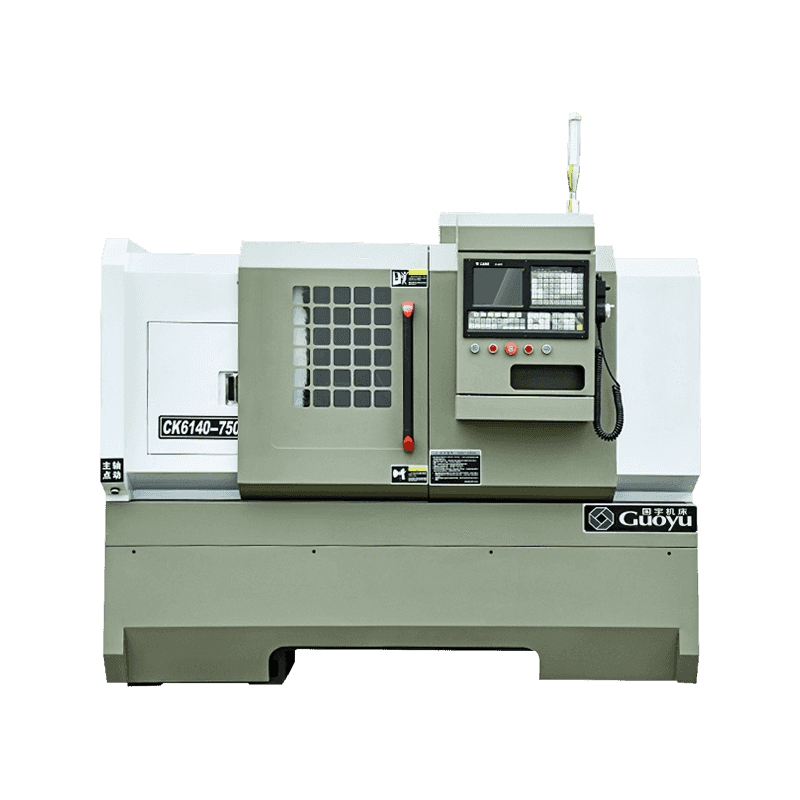
Technical Characteristics: It can cut all kinds of turning surfaces by bicycle, such as conical surf...
See Details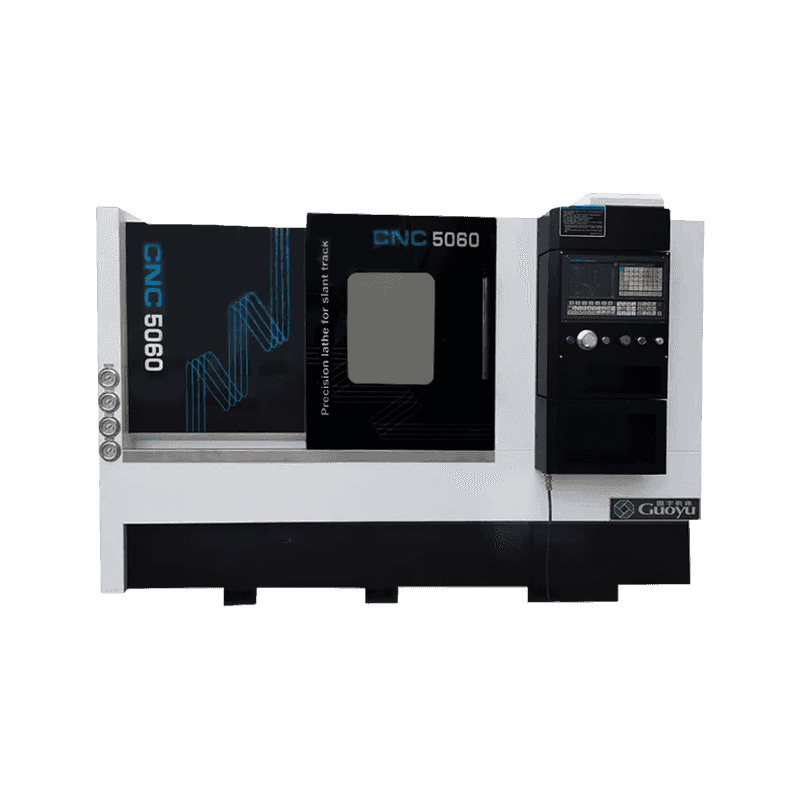
The Conjoined 35° Oblique Rail Cutter Tower Tail Seat Precision CNC Lathe is a really practical mach...
See Details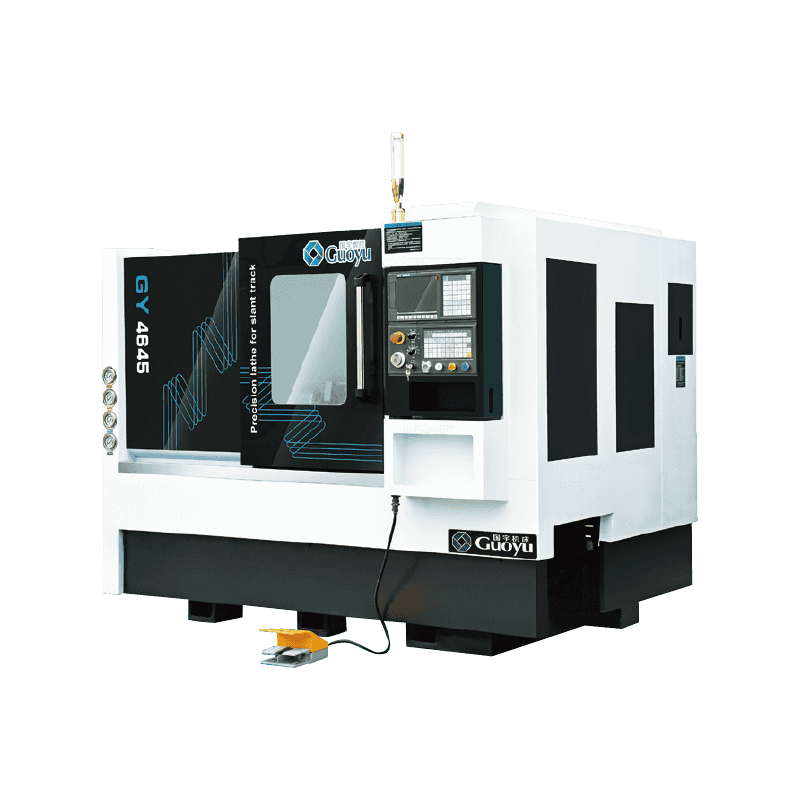
The Conjoined 35° Oblique Rail Cutter Tower Tail Seat Precision CNC Horizontal Lathe is a really pra...
See Details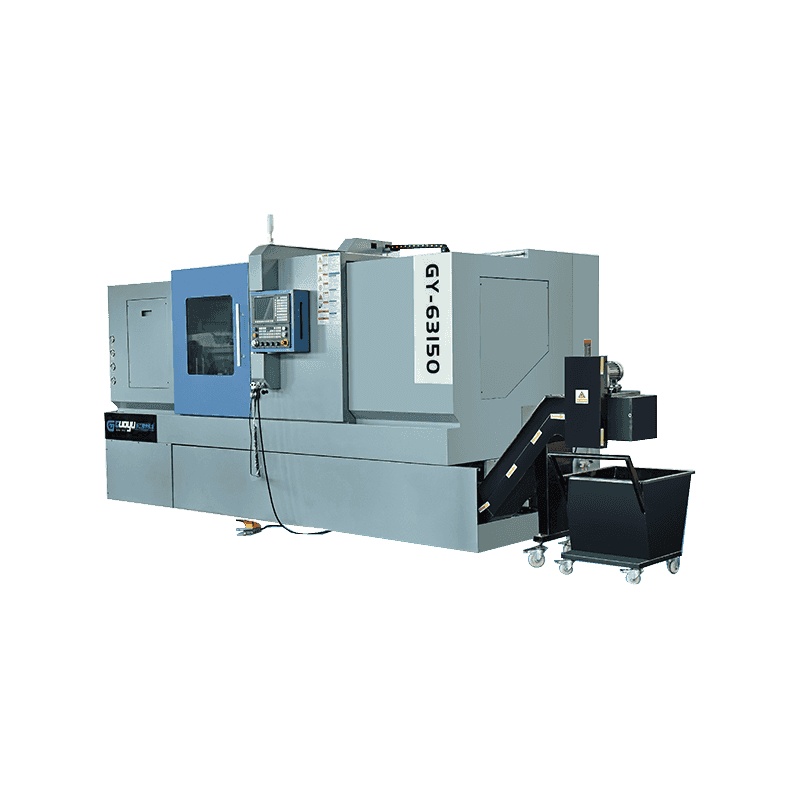
The Precision CNC Lathe With Programmable Tailstock For Connected Inclined Rail Tool Tower is just a...
See Details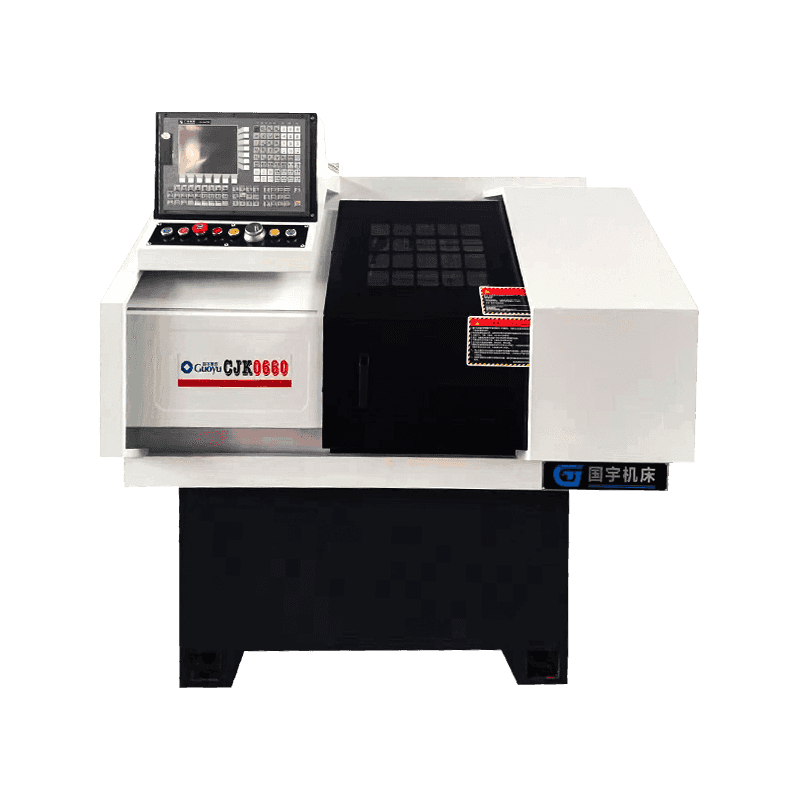
The Custom Precision Line Rail Precision CNC Lathe is just a really practical, compact machining sol...
See Details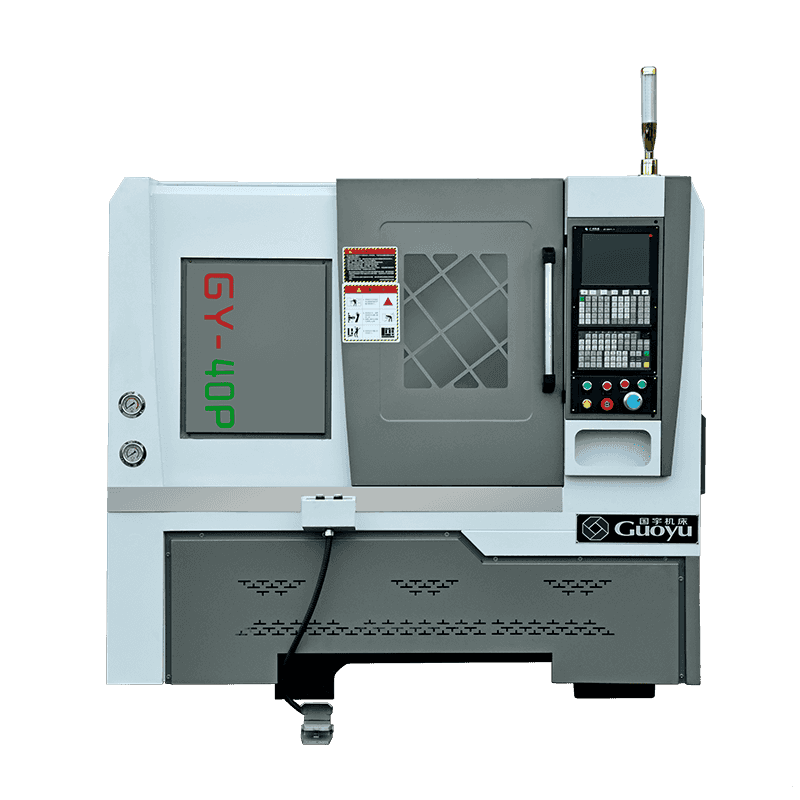
Technical Characteristics: 40P is a kind of small precision machine tool, that is suitable for the e...
See Details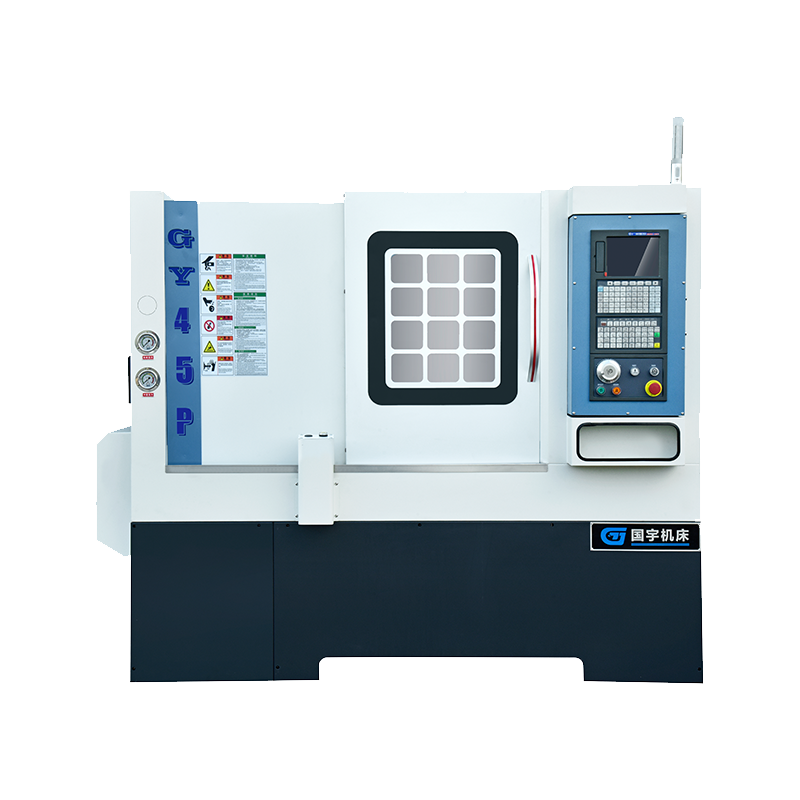
Technical Characteristics:Based on international advanced technology, the design of this machine too...
See Details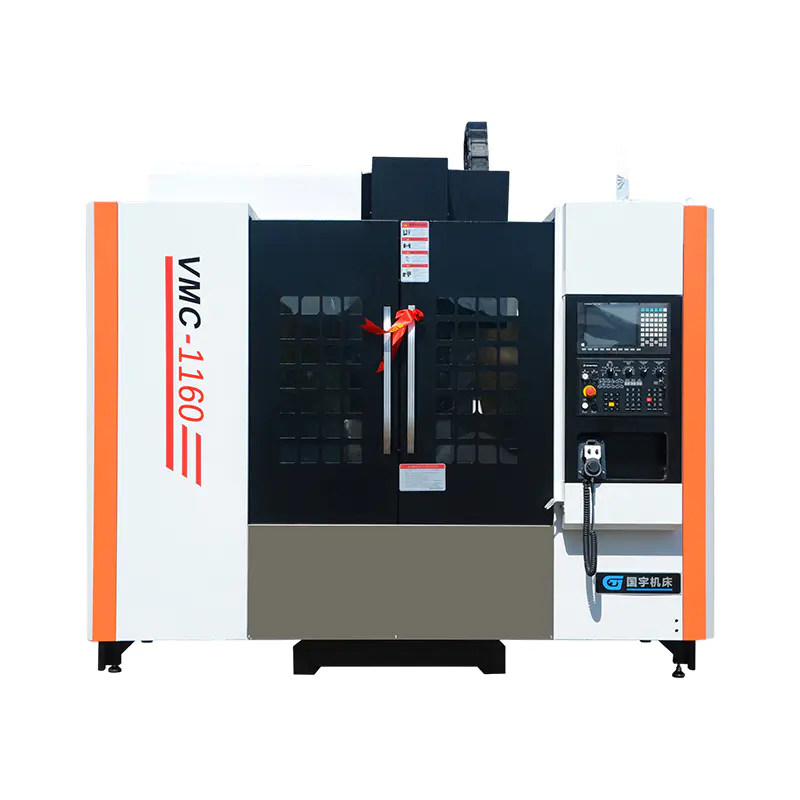
After-sales service commitment: 1. From the date of acceptance, the machine tool host is under warra...
See DetailsOur team of digital and business experts will guide you to the right direction.
Let's Talk
Zhejiang Guoyu CNC Machine Tool Co., Ltd. relies on rich experience, professional technology and advanced methods to ensure the quality of its products, so that customers can enjoy more professional and thoughtful service.
 [email protected]
 +86-15356565970
 Xialiang Industrial Area, Luqiao District, Taizhou City, Zhejiang Province, China
Copyright © Zhejiang Guoyu CNC Machine Tool Co., Ltd. All Rights Reserved.