English
 中文简体
中文简体 русский
 Español

Technical Characteristics: The machine tool is a single-column vertical guideway structure. The colu...
See DetailsStructural Layout and Bed Design
One of the noticeable differences between a flat-bed CNC lathe and other lathe types, such as slant-bed CNC lathes, lies in the bed structure. A flat-bed CNC lathe features a horizontal bed where the guideways are arranged parallel to the floor. This traditional design provides a stable platform, especially when machining large or heavy workpieces. The horizontal orientation allows the weight of the workpiece to be distributed evenly across the bed, reducing deformation and improving stability during cutting.
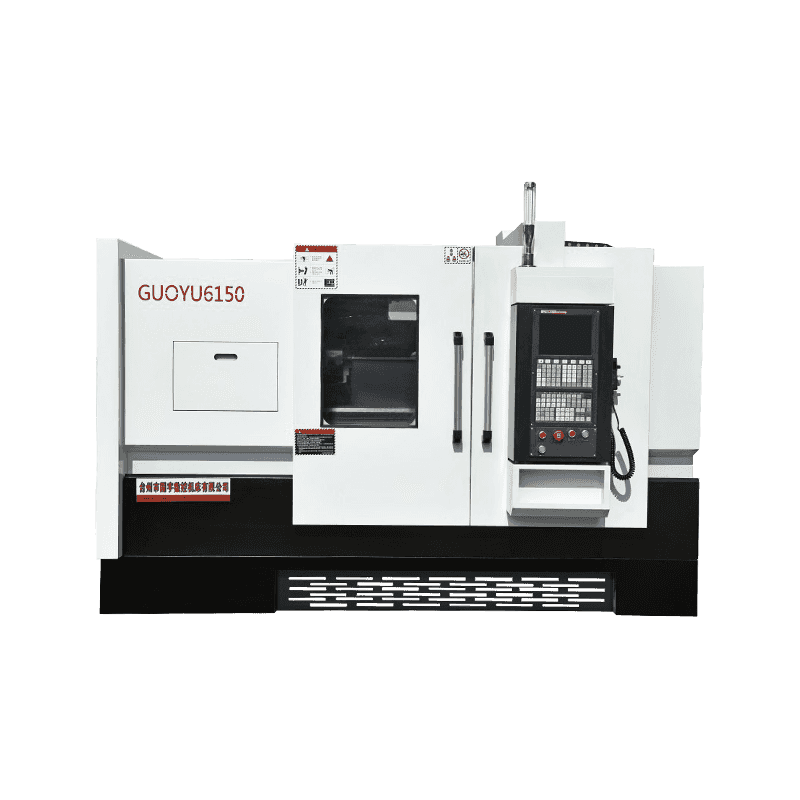
In contrast, slant-bed CNC lathes use an inclined bed structure that promotes better chip removal and easier operator access. While slant-bed designs often offer higher automation efficiency, flat-bed lathes are generally preferred for heavy-duty machining where rigidity and load-bearing capacity are priorities.
Load Capacity and Machining Scope
Flat-bed CNC lathes typically have a higher load capacity compared with many compact or slant-bed machines. This makes them suitable for machining long shafts, large flanges, and heavy cylindrical parts. The strong bed and wide guideways can handle higher cutting forces without compromising accuracy.
Compared with vertical CNC lathes, flat-bed CNC lathes are better suited for elongated workpieces. Vertical lathes, while effective for large-diameter but short parts, rely on gravity to stabilize the workpiece, whereas flat-bed lathes support the part along its length using tailstocks or steady rests.
Cost, Maintenance, and Operating Characteristics
From a cost perspective, flat-bed CNC lathes are often more economical than advanced slant-bed or multi-axis CNC lathes. Their simpler mechanical structure reduces manufacturing and maintenance costs. Maintenance tasks such as guideway inspection and lubrication are straightforward due to easy access to components.
However, flat-bed CNC lathes may require more attention to chip management, as chips tend to accumulate on the horizontal bed. This differs from slant-bed lathes, where gravity assists in chip evacuation. Despite this, flat-bed CNC lathes remain a practical choice for workshops focusing on heavy machining rather than high-speed automated production.
Handling Large Workpieces
Flat-bed CNC lathes are commonly used in industries that process large or heavy components, such as machinery manufacturing, energy equipment, and shipbuilding. The horizontal bed and robust structure provide strong support for heavy parts, reducing vibration during cutting.
Stable Cutting Performance
The wide guideways and solid bed design contribute to stable cutting performance. This is particularly beneficial when performing rough machining or deep cuts, where cutting forces are high and stability is essential for maintaining dimensional accuracy.
Flexible Workpiece Support
Flat-bed CNC lathes can be easily equipped with tailstocks, steady rests, or follow rests. These accessories provide additional support for long or slender workpieces, reducing deflection and improving machining quality.
Material Versatility
These machines can process a wide range of materials, including carbon steel, alloy steel, cast iron, and non-ferrous metals. Their rigidity allows consistent performance across different material types.
Assessing Workpiece Size and Weight
When selecting a flat-bed CNC lathe, users should consider the swing diameter, bed length, and load capacity. Matching these parameters to the intended workpieces ensures safe and efficient operation.
Guideway Type Selection
Flat-bed CNC lathes may use hardened and ground guideways or linear guide systems. Hardened guideways are suitable for heavy cutting, while linear guides may offer smoother motion for lighter machining tasks.
Automation Level
While flat-bed CNC lathes traditionally focus on manual or semi-automatic operation, many modern models support CNC automation features such as automatic tool changers and programmable tailstocks. Users should select a configuration that aligns with production needs.
Maintenance and Workspace Planning
Flat-bed CNC lathes require sufficient floor space and regular cleaning to manage chip accumulation. Planning for proper workspace layout and maintenance access helps ensure long-term reliability.
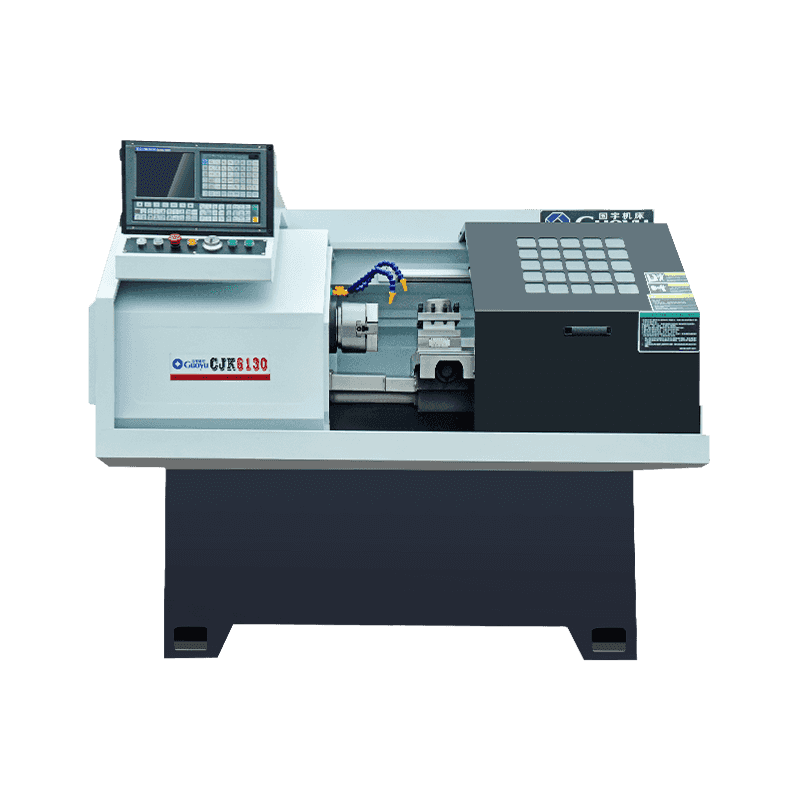
Technical Characteristics: The machine tool is a single-column vertical guideway structure. The colu...
See Details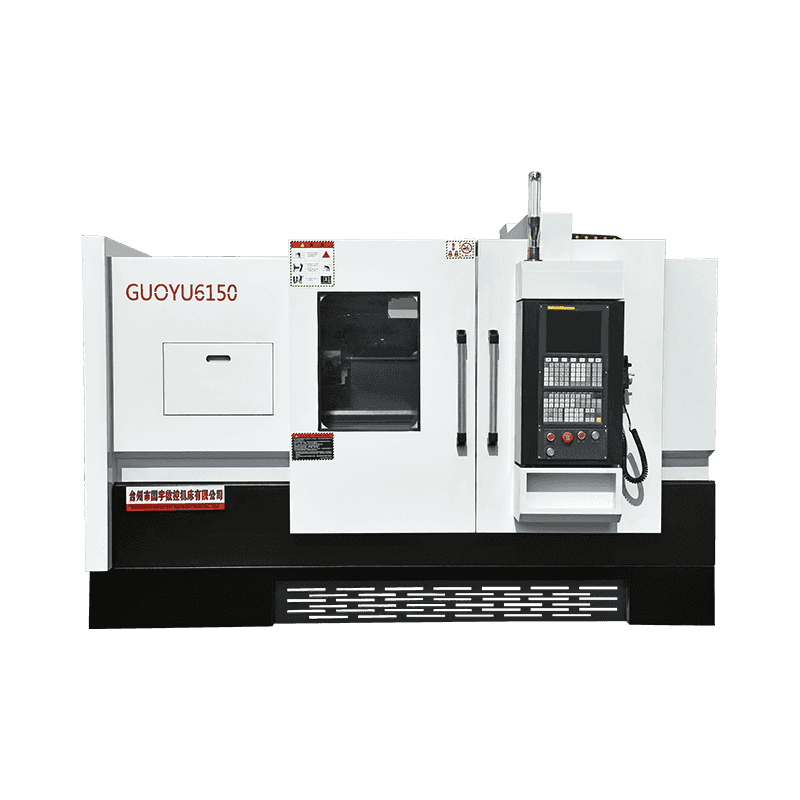
Technical Characteristics: It can cut all kinds of turning surfaces by bicycle, such as conical surf...
See Details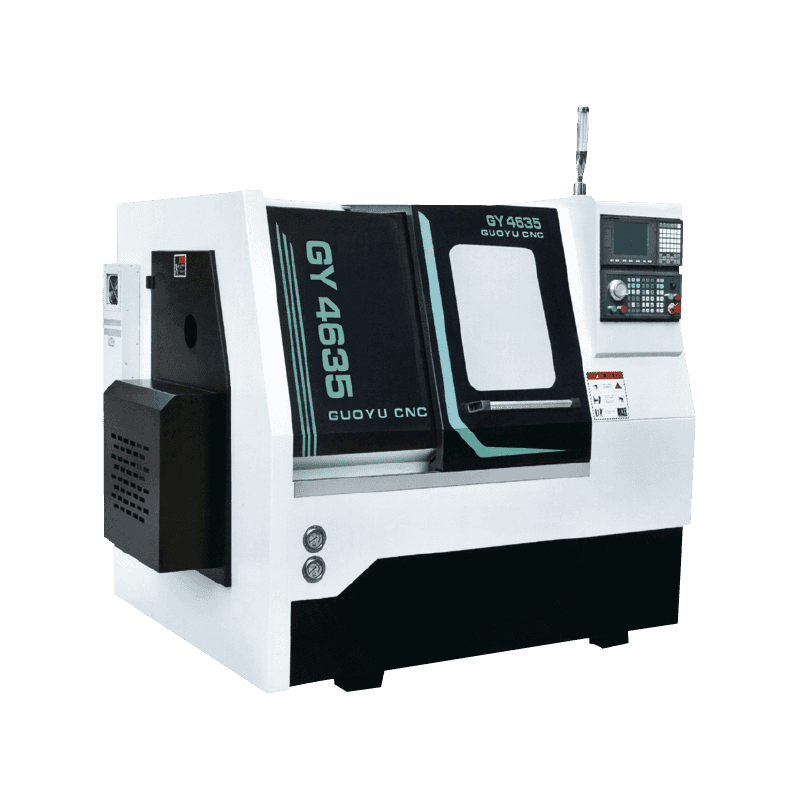
The Conjoined 45° Oblique Gauge Cutter Precision CNC Horizontal Lathe is a really practical turning ...
See Details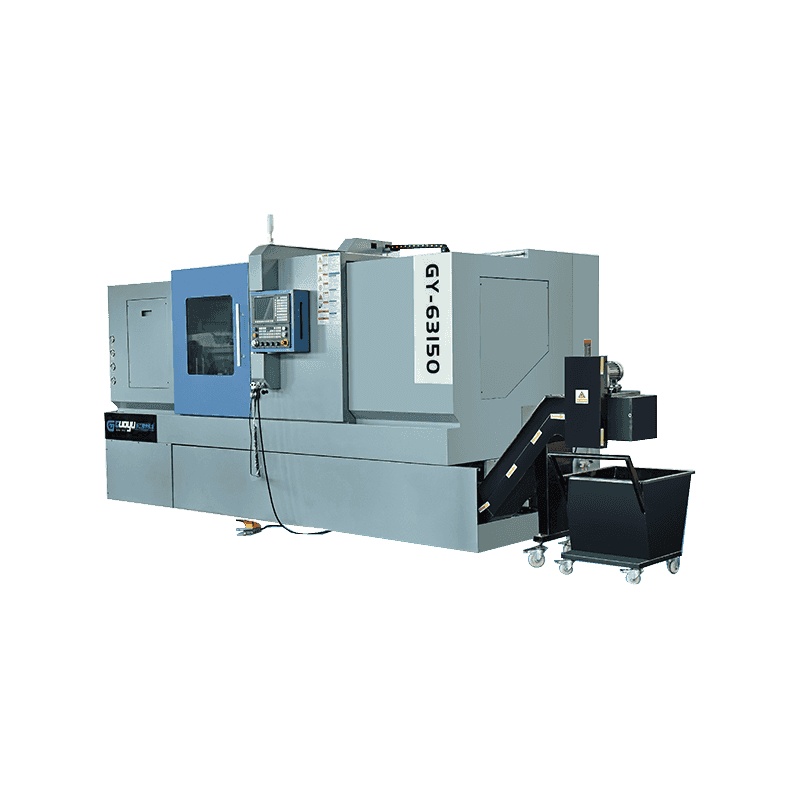
The Precision CNC Lathe With Programmable Tailstock For Connected Inclined Rail Tool Tower is just a...
See Details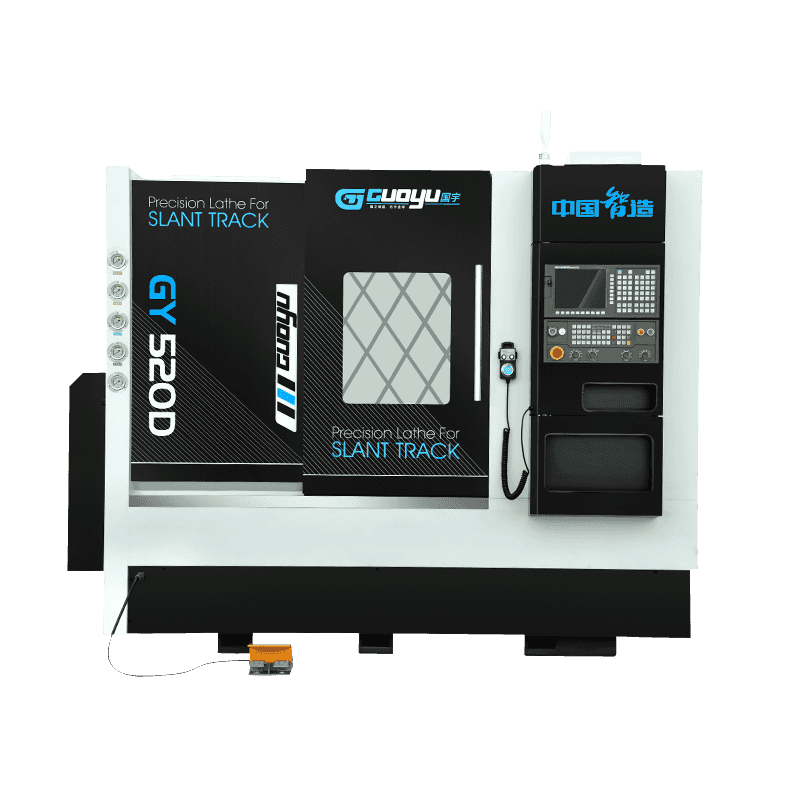
Technical Characteristics: The CNC machine tool for inclined beds adopts the domestic or imported hi...
See Details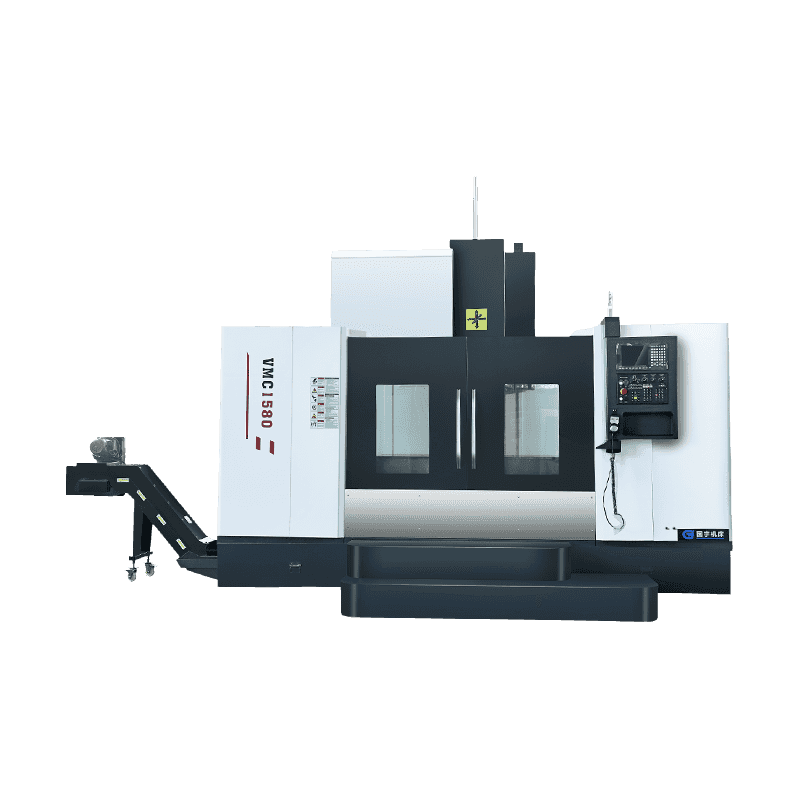
We are pleased to present the VMC1580 High-Speed Vertical Machining Center, a reliable and efficient...
See Details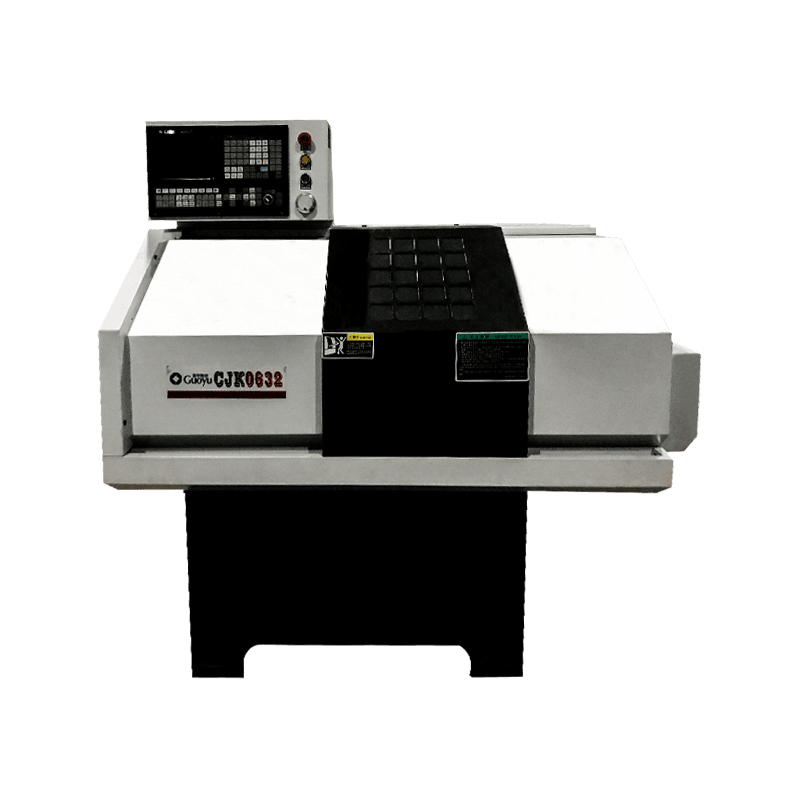
The Precision Line Rail Precision CNC Lathe is a completely practical machining choice if you want t...
See Details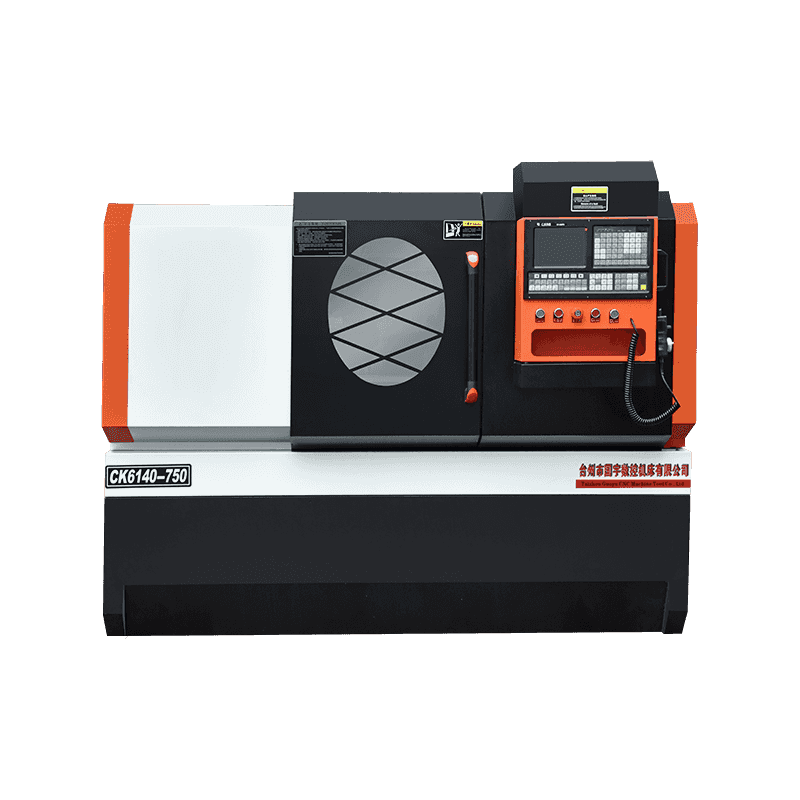
Technical Characteristics: It can cut all kinds of turning surfaces by bicycle, such as conical surf...
See DetailsOur team of digital and business experts will guide you to the right direction.
Let's Talk
Zhejiang Guoyu CNC Machine Tool Co., Ltd. relies on rich experience, professional technology and advanced methods to ensure the quality of its products, so that customers can enjoy more professional and thoughtful service.
 [email protected]
 +86-15356565970
 Xialiang Industrial Area, Luqiao District, Taizhou City, Zhejiang Province, China
Copyright © Zhejiang Guoyu CNC Machine Tool Co., Ltd. All Rights Reserved.