Why More Manufacturers Are Turning to Automatic CNC Lathe Solutions
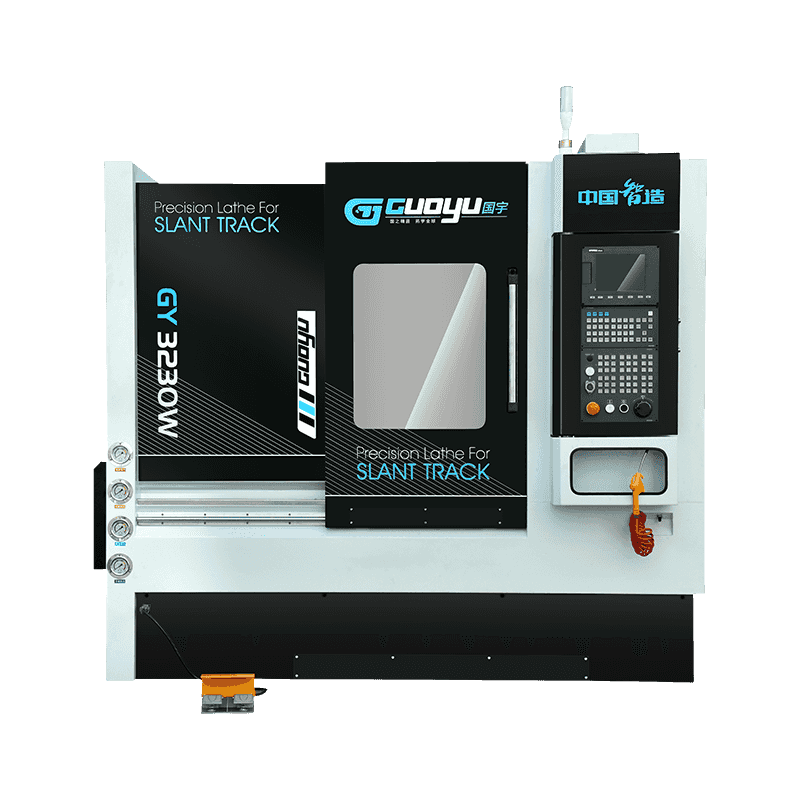
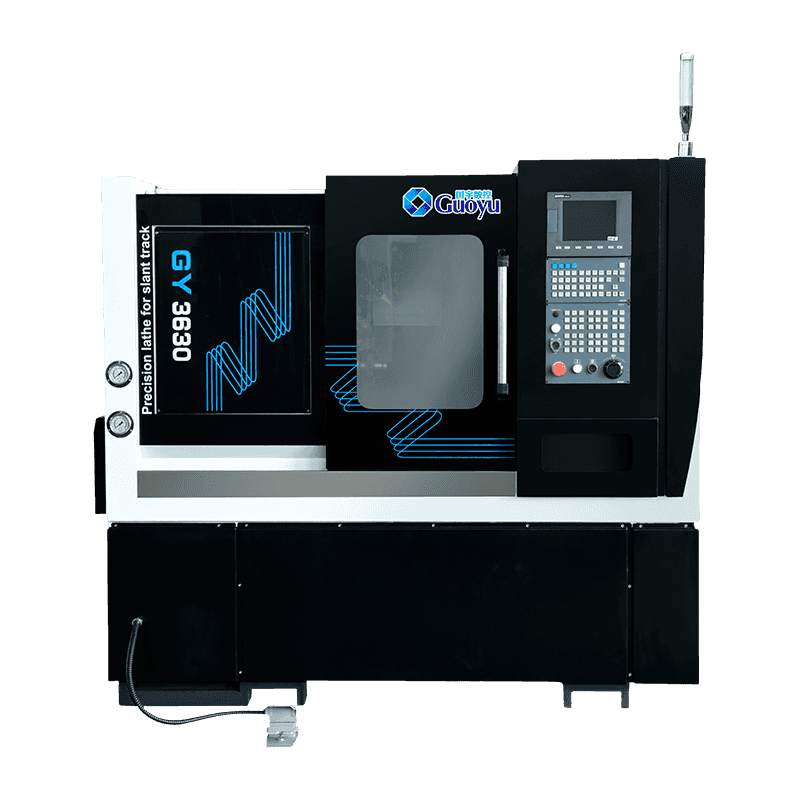
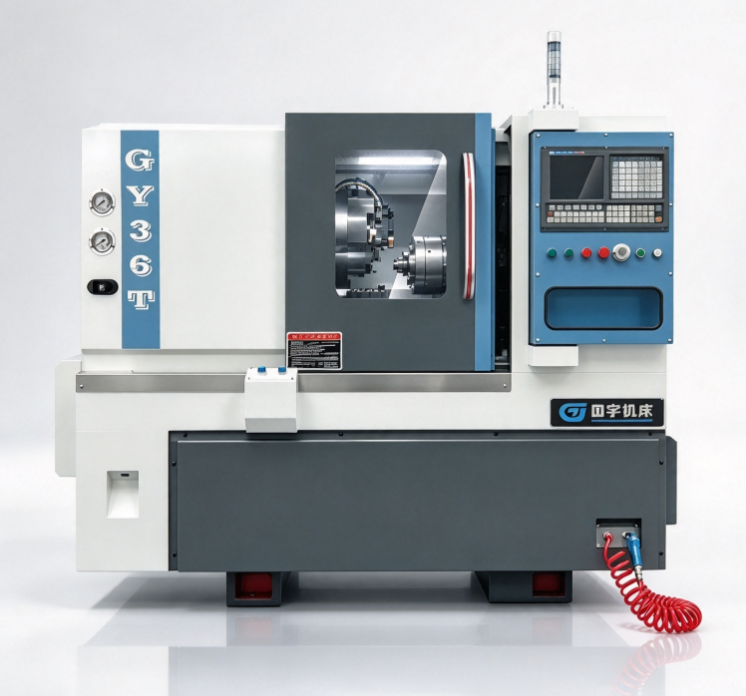
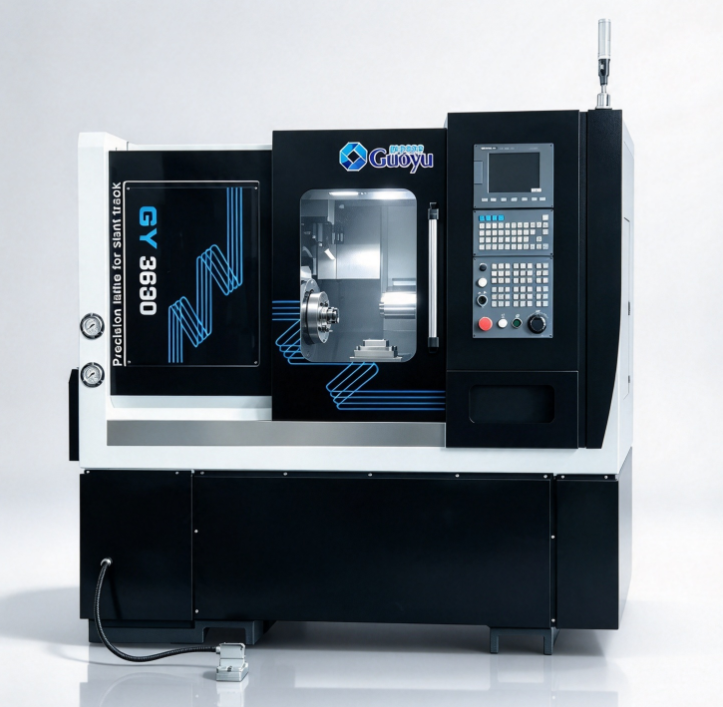
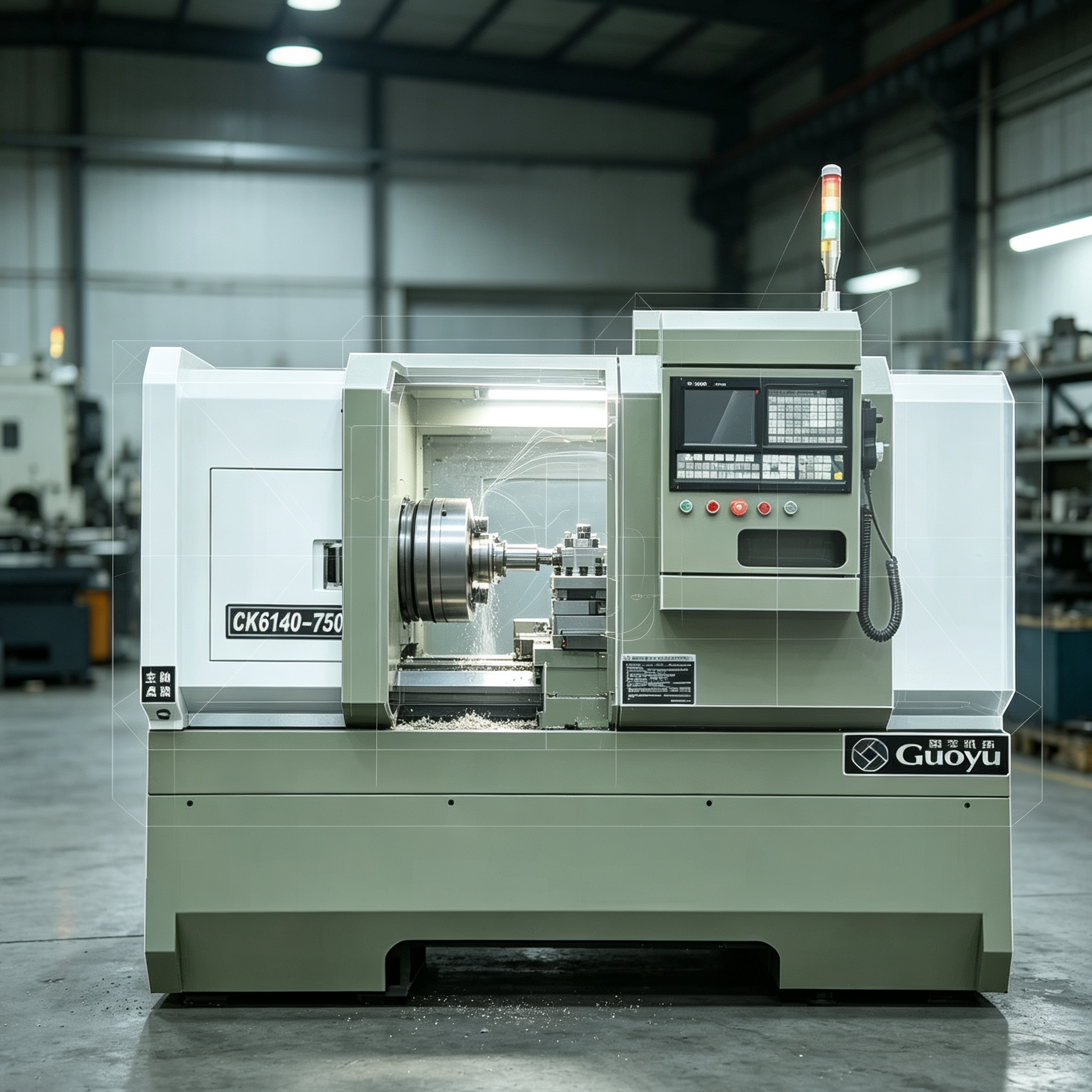
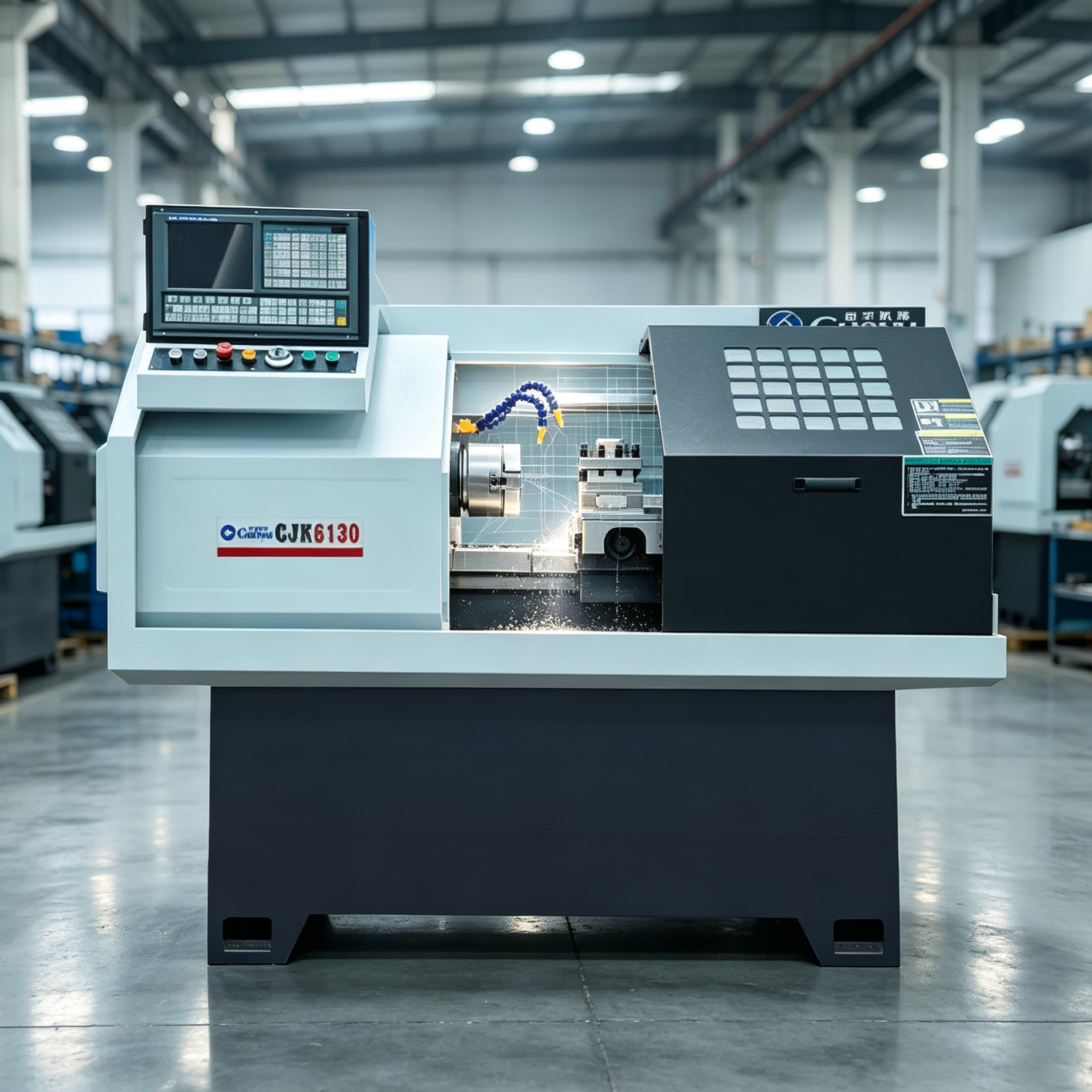
There is a reason the Automatic CNC Lathe keeps showing up in more workshops, not only in large factories, but also in smaller production companies that used to rely on conventional turning setups. The shift is not about chasing automation for its own sake. It is about making daily production more stable, more predictable, and easier to manage when part requirements keep changing.
In many machine shops, the real pressure comes from repetition. The same families of parts have to be produced again and again, often with strict tolerance expectations and limited room for delay. Manual methods can still do the work, but they demand more operator attention, introduce more variation, and make it harder to keep output consistent across longer runs. That is exactly where an Automatic CNC Lathe starts to prove its value.
What an Automatic CNC Lathe Changes on the Shop Floor
One of the biggest advantages is rhythm. A well-configured automatic CNC lathe creates a smoother production flow. Once the program, tooling, and workholding are properly arranged, the process becomes less dependent on constant correction. Operators spend less time chasing small inconsistencies, and more time overseeing production in a controlled way.
This matters most in jobs involving common turned parts such as:
- shafts
- sleeves
- bushings
- flanges
- threaded fittings
- stepped components
These parts may look simple on paper, but in batch production, consistency is what separates a profitable run from a frustrating one.
Why Buyers Look Beyond Basic Specifications
For overseas buyers, choosing an Automatic CNC Lathe is rarely just a question of spindle speed or travel range. Those numbers matter, of course, but experienced buyers usually look deeper. They want to know whether the machine can stay stable over time, whether it can adapt to different materials, and whether the supplier understands real manufacturing conditions rather than only brochure language.
A machine built with solid spindle support, reliable guideway construction, and efficient tool change capability tends to bring more long-term value than one that simply sounds impressive in a sales sheet. In actual use, stability, repeatability, and serviceability matter far more than exaggerated claims.
Material Flexibility Is a Practical Advantage
Many workshops do not machine only one material all year round. A production schedule may move from carbon steel to stainless steel, then to alloy material, then to cast iron or selected non-ferrous parts depending on customer orders. That is why material adaptability is such an important part of machine selection.
A capable Automatic CNC Lathe should support this kind of variation without making every material change feel like a separate production problem. The more naturally a machine handles different machining demands, the easier it becomes to keep lead times under control and avoid unnecessary setup stress.
Tooling Efficiency Has a Bigger Impact Than Many Expect
Another point that often gets underestimated is tool change organization. In jobs that involve facing, turning, grooving, drilling, boring, and threading, the turret arrangement has a direct effect on workflow. A better tooling layout does not just save seconds. Over repeated cycles, it improves the overall pace of production and reduces the drag that comes from frequent interruptions.
For batch manufacturing, that smoother continuity often becomes one of the quiet advantages buyers appreciate most after installation.
Choosing the Right Supplier Matters Too
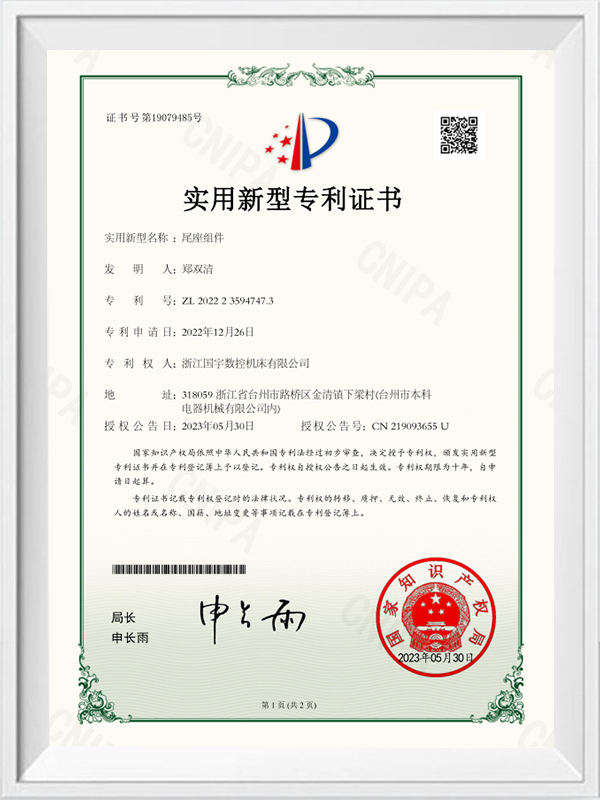
In the CNC industry, a machine is only one part of the buying decision. For customers in Europe, North America, and other international markets, the factory behind the machine often matters just as much. Buyers want to know where the equipment comes from, how it is built, and whether the manufacturer has a stable process behind the final product. Strong specifications may attract initial attention, but lasting confidence usually comes from proven production experience and a disciplined approach to quality.
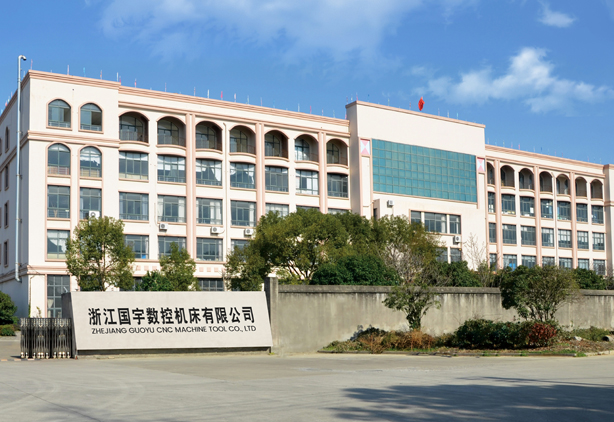
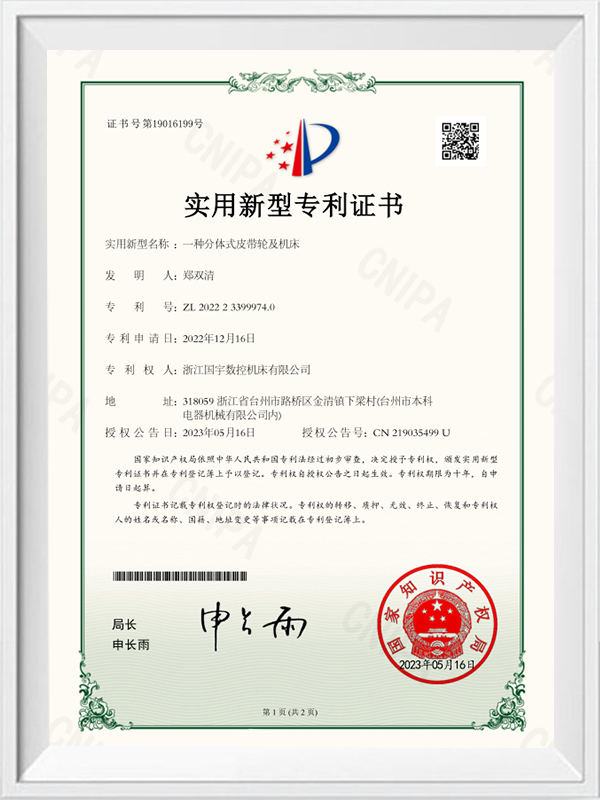
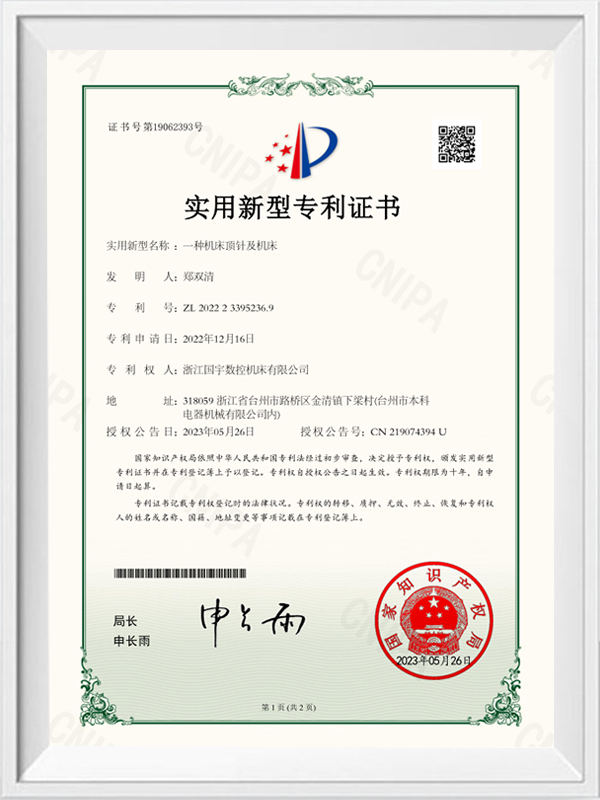
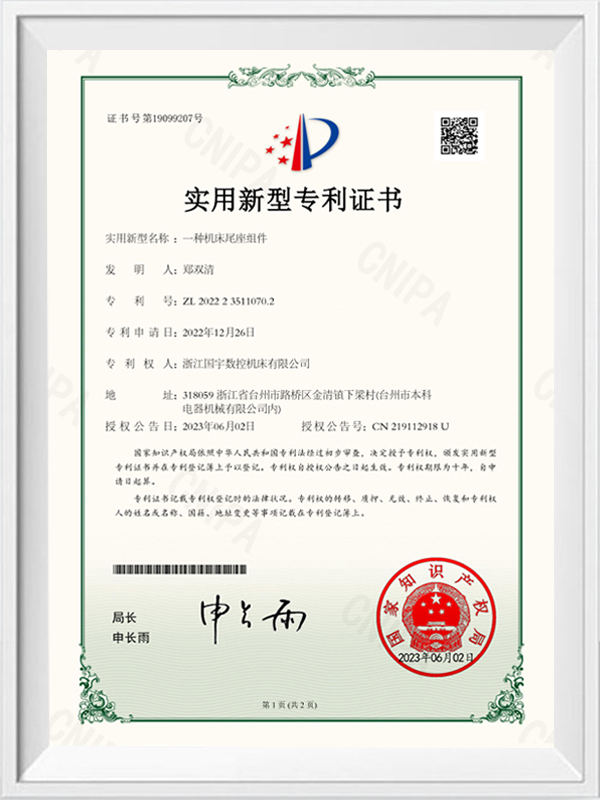
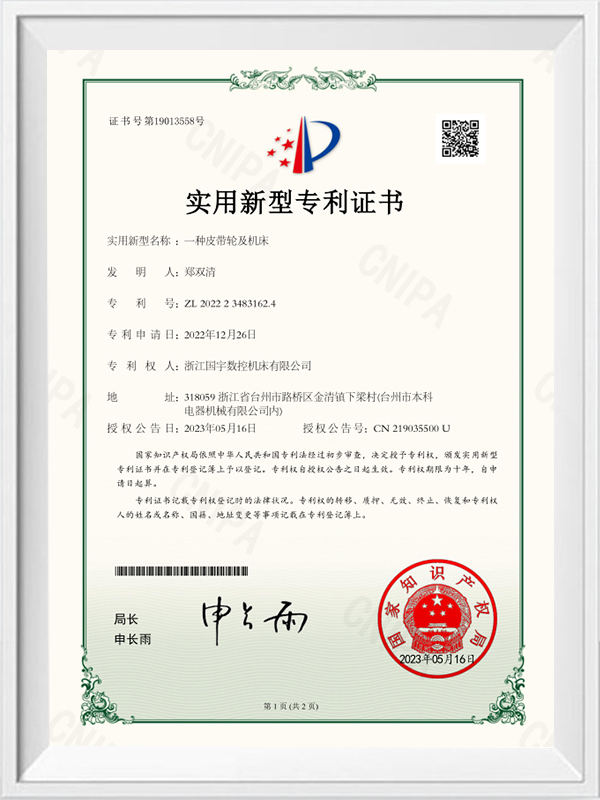
Guoyu CNC Factory stands out in this respect by combining manufacturing experience with a clear focus on CNC lathe production. Rather than relying on oversized claims, the company presents the strengths that serious buyers tend to value most: an established facility, consistent workmanship, and a steady commitment to product quality. In a market where trust is earned through delivery, service, and manufacturing control, that foundation matters.
An Automatic CNC Lathe is not simply a faster replacement for traditional turning. It is a practical tool for manufacturers who want greater control over output, more repeatable part quality, and a production flow that holds together under real commercial pressure. In today's market, that combination is exactly why more workshops are making the move.


 English
 中文简体
中文简体 русский
 Español