English
 中文简体
中文简体 русский
 Español

Technical Characteristics: The machine tool is a single-column vertical guideway structure. The colu...
See Details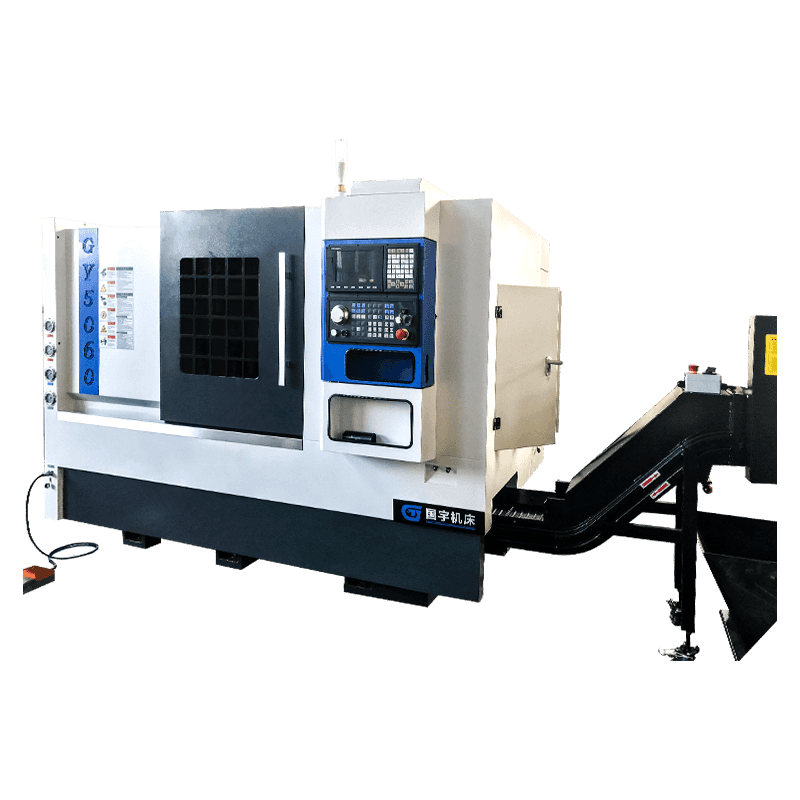
The Linear Guideway Precision CNC Lathe consists of several key components that work in harmony to deliver high precision and efficiency. Below are the primary elements of this type of CNC lathe:
1. Linear Guideways
The linear guideways are the critical component of the machine, ensuring smooth and precise motion of the tool and workpiece. Unlike traditional sliding guides, linear guideways use rolling elements such as ball bearings or roller bearings. This reduces friction and ensures smooth, consistent motion along the axis, contributing to the overall precision of the machine.
2. CNC Control System
The CNC control system is responsible for converting the design specifications into commands that control the movement of the lathe. This system provides automated control over the machine's operations, allowing for complex and intricate tasks to be performed with minimal human intervention. The control system also enables the adjustment of various parameters like speed, feed rate, and tool position.
3. Spindle and Motor Assembly
The spindle and motor assembly provides the rotational power needed for machining operations. The spindle holds the cutting tool in place and allows it to rotate at high speeds, while the motor controls the speed and power output. This combination is crucial for maintaining cutting precision and enabling efficient material removal during the machining process.
The efficiency of a Linear Guideway Precision CNC Lathe is influenced by various factors, including its precision, speed, and automation capabilities. Below are key aspects of the machine's efficiency:
1. High Precision
Linear guideways are designed to minimize friction and reduce backlash, which allows the CNC lathe to maintain high precision during machining operations. This high precision ensures that parts are produced with tight tolerances, meeting the exact specifications required by industries such as aerospace and automotive. The ability to produce parts with minimal deviations leads to fewer errors, reduced rework, and improved overall productivity.
2. Increased Productivity
The precision and automation of CNC lathes significantly increase productivity compared to manual machining methods. The machine can perform a wide variety of operations, such as turning, boring, and threading, with minimal human intervention, allowing for 24/7 operation. Additionally, automated tool changes and high-speed machining capabilities help reduce cycle times, increasing the number of parts produced in a given period.
3. Reduced Material Waste
The high accuracy of Linear Guideway CNC lathes results in less material waste. By performing precise cuts and avoiding errors, the machine minimizes scrap material, leading to cost savings for manufacturers. Furthermore, the machine's ability to make fine adjustments to cutting parameters reduces the likelihood of overcutting or undercutting, contributing to the overall efficiency of the production process.
· Reduced Friction
Linear guideways use rolling elements (ball bearings or rollers), which significantly reduce friction compared to traditional sliding guides. This results in smoother movement, less wear and tear on the machine, and more accurate positioning.
· Higher Precision
The reduced friction in linear guideways contributes to higher precision in machining. The smoother motion enables the machine to achieve tighter tolerances, ensuring that the produced parts meet strict design specifications.
· Greater Load Capacity
Linear guideways have a higher load-bearing capacity than traditional sliding guides, which allows them to support heavier workpieces and higher cutting forces. This capability makes the CNC lathe more versatile in handling different types of materials and machining tasks.
· Automation of Operations
The CNC control system automates many of the machine's operations, reducing the need for manual intervention. This results in faster, more efficient production runs and minimizes human error in the process.
· Precision Control
The control system allows operators to program the lathe to execute precise movements and adjustments. Operators can input detailed design specifications into the control system, ensuring that the machine produces parts to the exact required dimensions.
· Complex Machining Capabilities
With a CNC control system, the lathe can perform complex tasks that would be difficult or impossible with manual machines. The ability to control multiple axes simultaneously allows the machine to handle intricate cutting, drilling, and milling tasks.
· Metals
These CNC lathes are commonly used to machine metals such as steel, aluminum, titanium, and brass. The high precision and stability of the machine make it suitable for machining parts with tight tolerances in industries like aerospace and automotive.
· Plastics
Precision CNC lathes can also be used for machining plastics, including polycarbonate, acrylic, and PEEK. The flexibility of the CNC system allows it to handle different materials and cutting tools, making it versatile in a range of industries.
· Composites
In addition to metals and plastics, Linear Guideway CNC lathes are capable of machining composite materials such as carbon fiber and fiberglass. These materials are often used in high-performance applications, where precision and strength are critical.
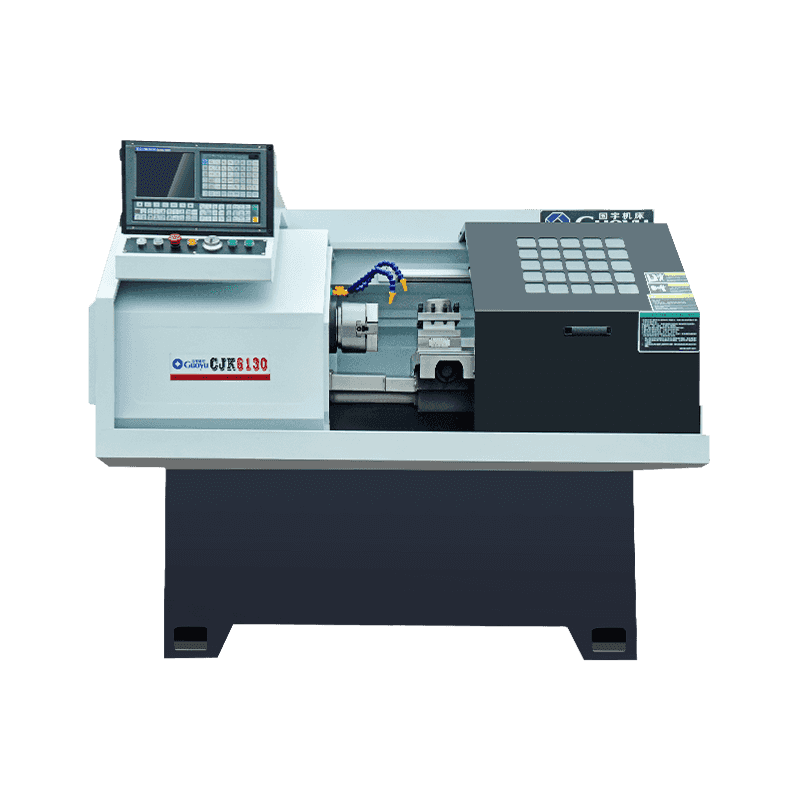
Technical Characteristics: The machine tool is a single-column vertical guideway structure. The colu...
See Details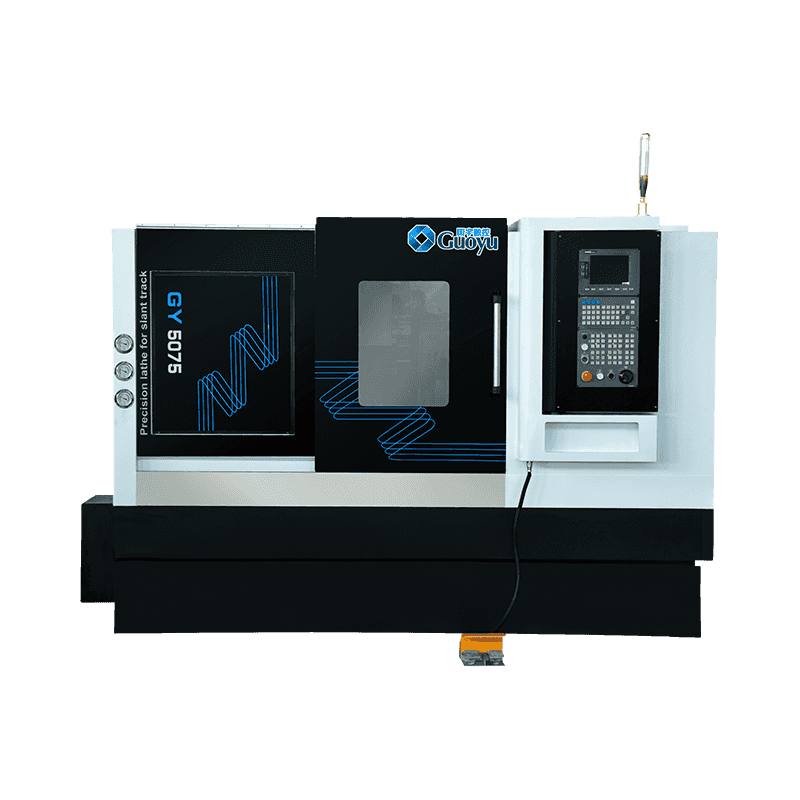
Technical Characteristics: The CNC machine tool for inclined beds adopts the domestic or imported hi...
See Details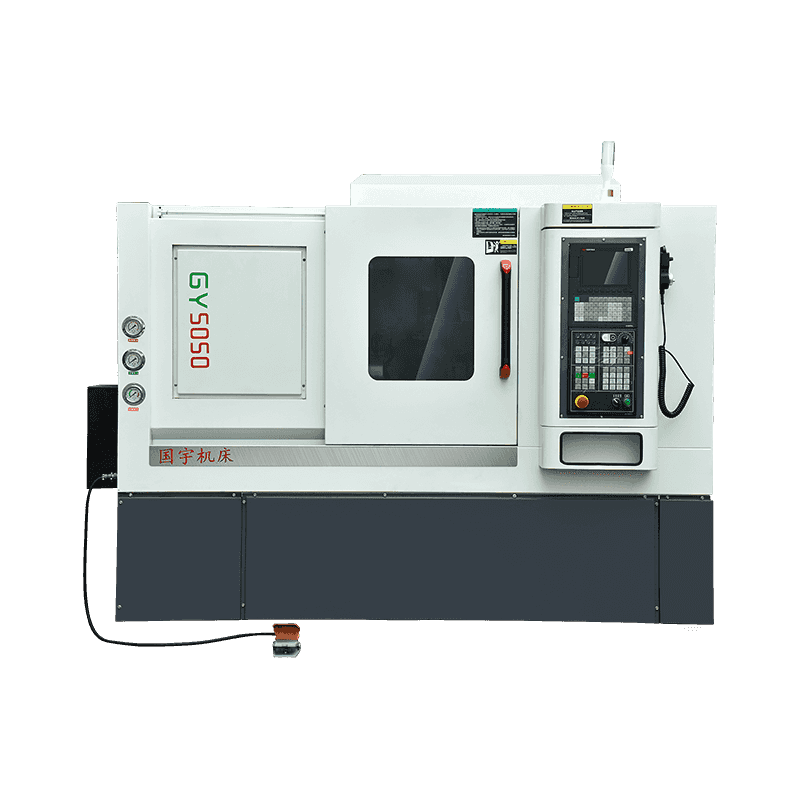
Technical Characteristics: The machine tool is of high precision, and the spindle is supported by hi...
See Details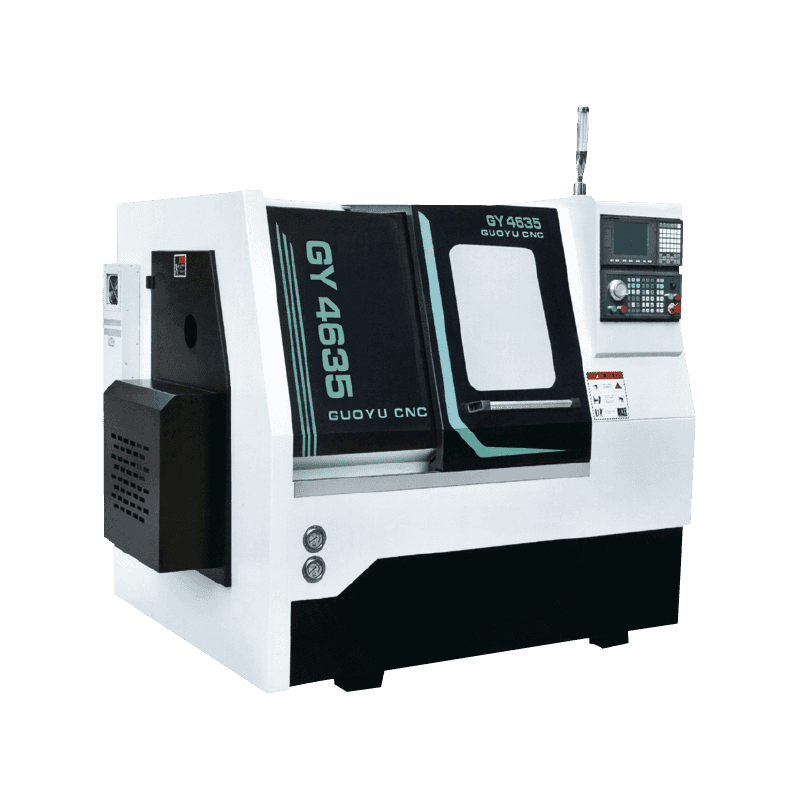
The Conjoined 45° Oblique Gauge Cutter Precision CNC Horizontal Lathe is a really practical turning ...
See Details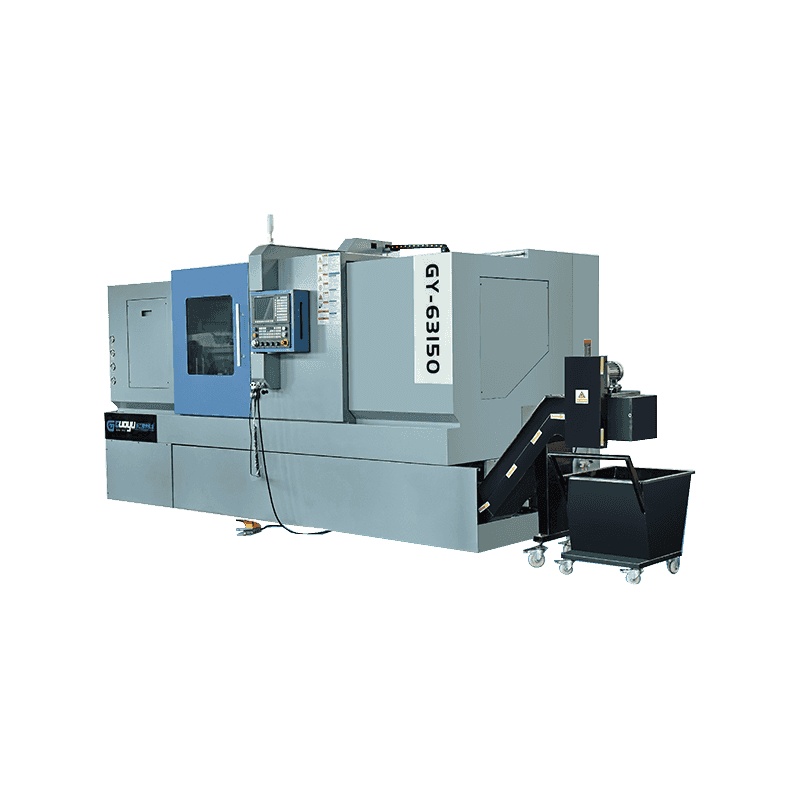
The Precision CNC Lathe With Programmable Tailstock For Connected Inclined Rail Tool Tower is just a...
See Details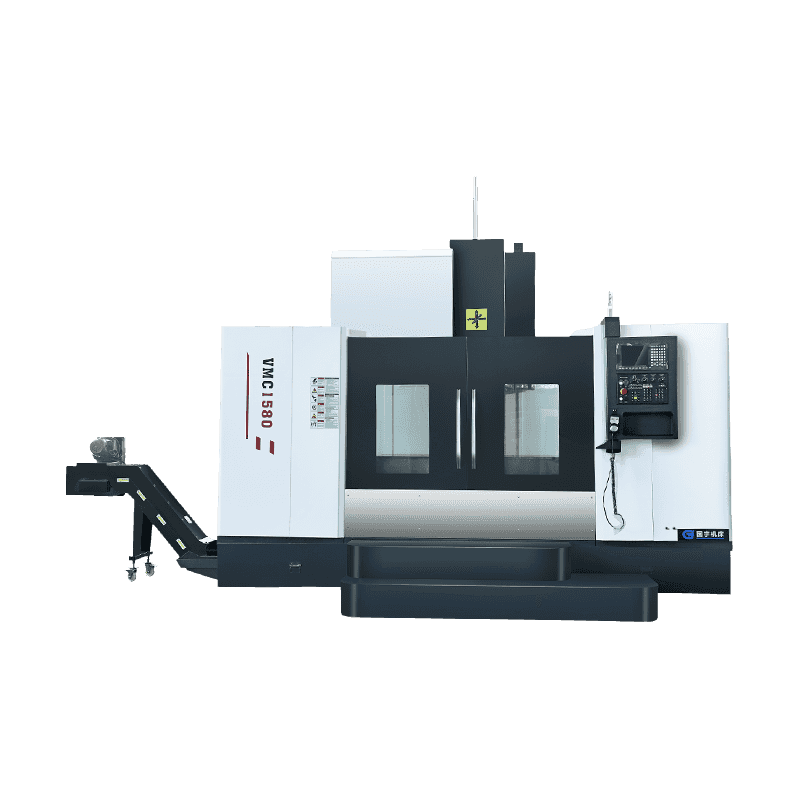
We are pleased to present the VMC1580 High-Speed Vertical Machining Center, a reliable and efficient...
See Details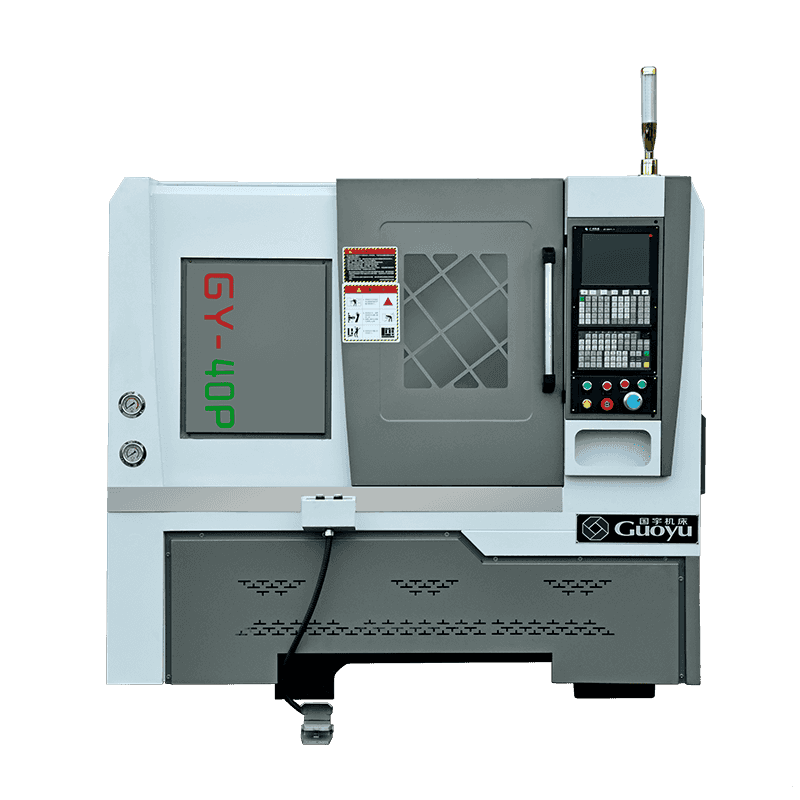
Technical Characteristics: 40P is a kind of small precision machine tool, that is suitable for the e...
See Details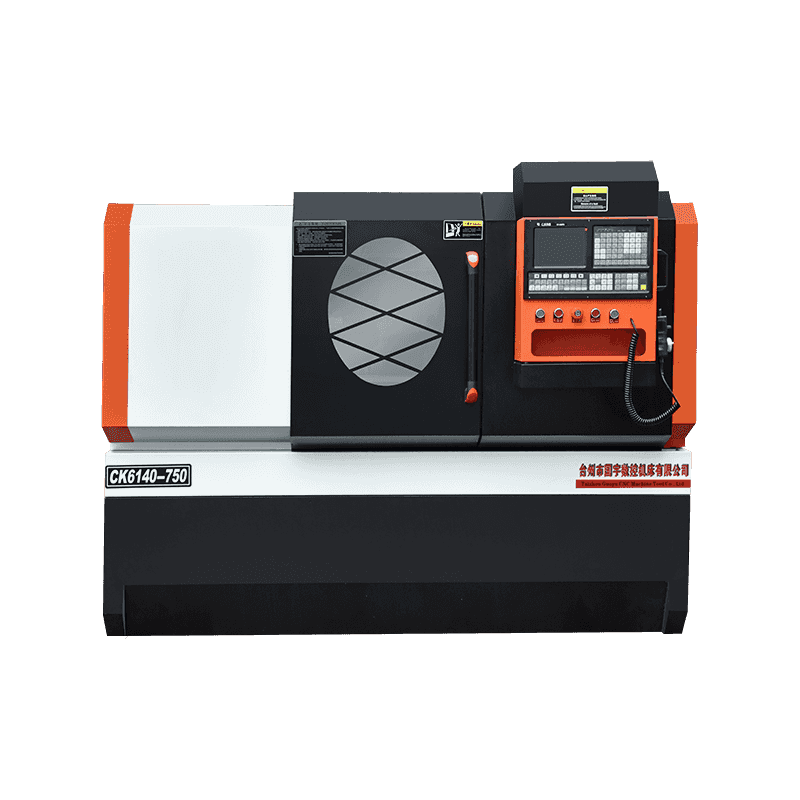
Technical Characteristics: It can cut all kinds of turning surfaces by bicycle, such as conical surf...
See DetailsOur team of digital and business experts will guide you to the right direction.
Let's Talk
Zhejiang Guoyu CNC Machine Tool Co., Ltd. relies on rich experience, professional technology and advanced methods to ensure the quality of its products, so that customers can enjoy more professional and thoughtful service.
 [email protected]
 +86-15356565970
 Xialiang Industrial Area, Luqiao District, Taizhou City, Zhejiang Province, China
Copyright © Zhejiang Guoyu CNC Machine Tool Co., Ltd. All Rights Reserved.