English
 中文简体
中文简体 русский
 Español

Technical Characteristics: The machine tool is of high precision, and the spindle is supported by hi...
See DetailsRepeatable machining doesn't really begin the moment a cutting tool meets the workpiece. It begins earlier than that, in the preparation stage. How a machine gets clamped, positioned, adjusted, and checked has a way of shaping how consistent the finished parts turn out to be.
That becomes obvious once a workshop starts running batch production. Same material, same program, and yet the parts coming off the line don't always match each other. Small shifts in workpiece positioning, tool wear, or setup habits tend to creep in over time and pull the process off course.
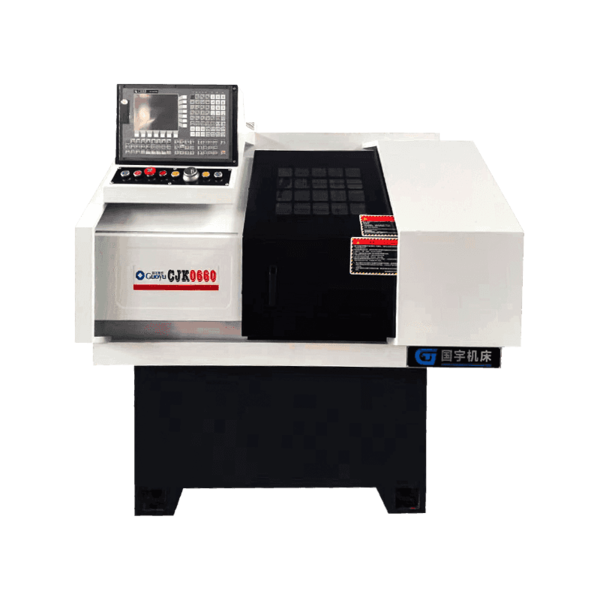
A Precision CNC Lathe gets chosen precisely because production calls for controlled, repeatable results. Still, the machine is only one piece of the puzzle. What happens during setup, before the spindle even starts turning, can shape how smoothly everything runs afterward.
Getting a handle on these connections gives operators something practical to work with — a way to cut down on avoidable variation and keep machining routines from becoming unpredictable.
Setup lays down the starting conditions for every single workpiece that follows. Let those conditions drift between production cycles, and the cutting process tends to drift right along with them.
Clamping deserves attention here. A workpiece has to stay put, seated the same way every time, not shifted slightly from one cycle to the next. Inconsistent holding means the cutting tool ends up approaching the material from a position that's just a bit different each time.
The machine's own condition matters too. Clean contact surfaces, well-maintained components, an organized work area — these small things add up to a stable starting point.
A handful of setup areas are worth watching closely.
| Setup Area | Influence on Machining |
|---|---|
| Workpiece clamping | Supports consistent positioning |
| Tool installation | Influences cutting location |
| Machine cleanliness | Helps maintain contact between parts |
| Workpiece alignment | Supports repeatable machining |
| Tool condition | Can affect cutting behavior |
| Program setup | Helps maintain the intended machining sequence |
None of these sit in isolation. A problem that shows up during cutting often traces back to something that happened earlier, during setup.
Keep the setup consistent, and operators get a clearer baseline for spotting whatever changes when something goes wrong.
Clamping is what keeps the workpiece where it needs to be while the tool does its work. It's easy to overlook precisely because it feels routine — just another step before the real cutting starts.
But if the workpiece isn't seated the same way every time, the tool ends up removing material from a slightly different spot. Even a minor positioning difference throws off the relationship between tool and workpiece.
Clamping needs to hold firmly without distorting the part in the process. What counts as appropriate really depends on the shape, the material, and the operation being performed.
Before a batch gets underway, it's worth taking a look at the contact surfaces and holding components. Chips, grime, or a scuffed surface can quietly interfere with proper positioning.
A workable setup routine might run something like this:
Follow the same sequence across a batch, and operators end up with a far more stable reference point for repeatable output.
Tool settings decide where and how the cutting edge meets the material. Shift the tool position even slightly, and the resulting shape can shift with it.
That's reason enough to handle tool installation carefully. The tool needs to sit exactly where the machining plan calls for, and its condition should be checked before the job starts, not discovered halfway through.
A worn or damaged tool introduces its own kind of variation. As cutting continues, a tool that behaved one way when new starts behaving differently. Watch for changes in surface finish, the sound of the cut, or the dimensions coming off the part.
Tool condition isn't something to check once and forget — it needs monitoring throughout the run.
A High-Precision CNC Lathe can absolutely support controlled machining, but how repeatable the results actually are still comes down to how the tools get installed and maintained along the way.
The setup also has to fit the workpiece in front of you. Different materials and shapes place different demands on the cut, and treating every job the same rarely works out.
Machining parameters govern how the machine moves and how the tool engages the material. Choosing them well means factoring in the workpiece, the tool, and the operation at hand.
There's no universal setting that works everywhere. What suits one material or cutting job might fall flat on another.
During batch production, resist the urge to tinker unnecessarily. Once a workable process is in place, holding the conditions steady makes it far easier to notice when something actually changes.
Sometimes change becomes unavoidable, though — say, when:
None of this means locking every setting in place forever. It means making changes on purpose, with a clear reason behind each one.
That mindset keeps random, unexplained tweaks from quietly becoming part of the everyday routine.
Positioning sets up the relationship between material and machine. Let that relationship wobble, and the machining result can vary even with the program running exactly as written.
There's more to positioning than just dropping the workpiece into the holding device. The operator also has to think about the reference point and how the part actually sits against the contact surfaces.
Shape matters a lot here. Long parts, short parts, thin or irregular ones — they don't all respond the same way to identical clamping methods.
A repeatable positioning process tends to include steps like these:
| Positioning Step | Purpose |
|---|---|
| Surface cleaning | Removes material that may affect contact |
| Reference alignment | Establishes a consistent starting point |
| Clamping | Holds the workpiece in place |
| Position check | Confirms the intended location |
| Trial inspection | Helps identify setup problems early |
This kind of routine pays off especially during batch runs. Catching a small setup issue early beats discovering the same flaw repeated across dozens of parts later on.
Machine condition doesn't fall apart overnight — it drifts, slowly, through everyday use. Wear, buildup of debris, loose fittings, overdue maintenance — any of these can nudge machining behavior off course.
Operators often notice these changes through sound, unusual movement, subtle surface wear, or parts that no longer fit together as they should.
Routine maintenance keeps the machine behaving predictably. It also gives technicians a chance to catch developing issues before they spread across a bigger production run.
Machine condition touches several areas at once:
Maintenance schedules should follow whatever the equipment manufacturer recommends. The point isn't just tidiness for its own sake — it's about preserving the conditions that stable operation actually depends on.
A maintenance routine that's kept organized also makes troubleshooting less of a guessing game, since operators know exactly when key components were last checked.
Batch machining lives and dies on repeatable actions. The workpiece needs loading the same way each time, tool positions need to hold steady, and the machining sequence needs to stay under control throughout.
Worth remembering, too — tools and equipment don't stay static during a run. A setup that works fine at the start of a batch might need attention later simply because tool wear or machine condition has shifted underneath it.
One practical way to manage this is breaking production into a few straightforward checkpoints.
Look over the machine, workholding components, tools, and workpiece surfaces. Make sure the setup actually matches what the production plan calls for.
Pay attention to shifts in cutting behavior, surface finish, tool condition, and how the workpiece sits. Even minor changes can tell you something useful about what's happening in the process.
Go back over the setup and clean the contact areas. Swap out or adjust anything whose condition no longer supports steady machining.
None of this needs to turn into a bureaucratic exercise. Clear responsibilities paired with consistent habits go a long way toward keeping a production process manageable.
Variation in setup often traces back to small habits that differ from person to person. One operator seats a workpiece a certain way; another does it slightly differently. Tool installation might follow a different approach depending on who's doing it. A contact surface might not get cleaned quite the same way twice.
A clear setup procedure can close that gap. It should remain practical, focusing on real actions without adding unnecessary complexity.
For instance, operators can follow the same sequence every time when checking the machine, prepping the workpiece, installing tools, and confirming position.
A setup checklist might look something like this:
| Check | Question to Consider |
|---|---|
| Workholding | Is the workpiece seated consistently? |
| Tool | Is the tool installed and positioned correctly? |
| Surface | Are contact areas clean? |
| Position | Does the workpiece match the intended reference? |
| Machine | Is the equipment operating normally? |
| Process | Are the selected settings appropriate for the job? |
Routines like this make discrepancies far easier to trace back to their source.
When a problem does crop up, the operator can walk through each area methodically instead of changing several things at once and hoping something sticks.
Precision-focused production leaves less room for error, since even small setup differences can throw off the relationship between tool and workpiece in ways that show up in the finished part.
A High Precision CNC Lathe offers a controlled machining platform, sure, but consistent results still hinge on everything surrounding it — clamping, tool installation, positioning, machine condition, and the habits operators bring to the job every day.
The same idea holds true when a shop runs several machines across different jobs. Each one might need its own setup routine, but the underlying goal stays the same: build stable conditions and repeat them with care.
Operators sharpen their sense of the process by tracking recurring setup issues and noticing when they tend to surface. Variation showing up right after a tool change points toward tool condition. Variation appearing after workpiece loading points toward positioning instead.
Thinking this way turns repeatability into something built into daily habits, rather than a fix that only gets attention after a machining problem has already caused trouble.
Setting up a Precision CNC Lathe properly, then, is never just a batch of machine adjustments ticked off a list. It's a chain of decisions running through the workpiece, the tools, the equipment, and the operator's own habits. Handle each of those consistently, and batch machining becomes something easier to keep an eye on, with sources of variation that are far less likely to stay hidden.
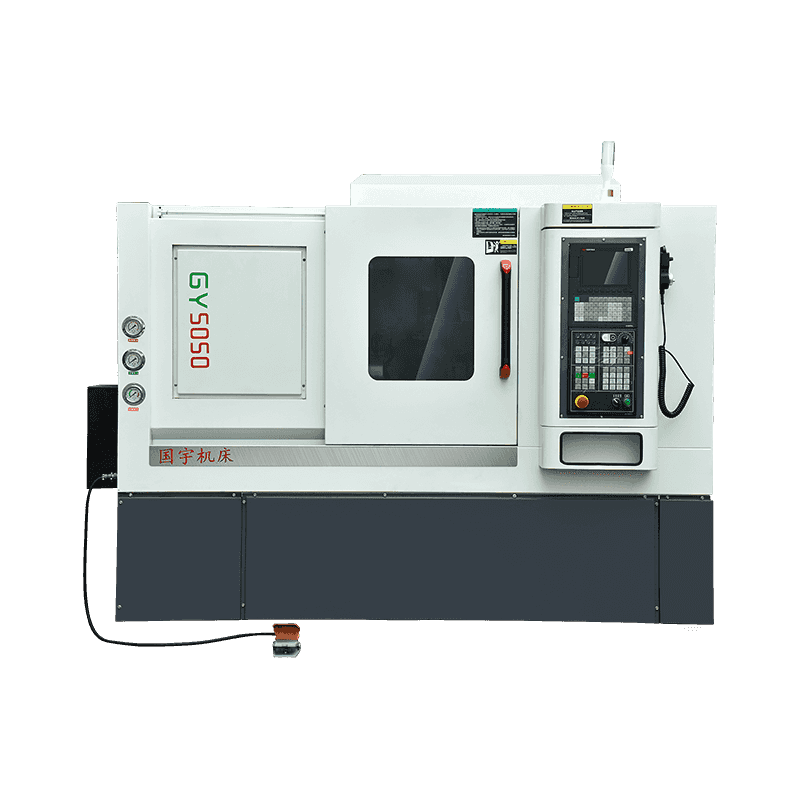
Technical Characteristics: The machine tool is of high precision, and the spindle is supported by hi...
See Details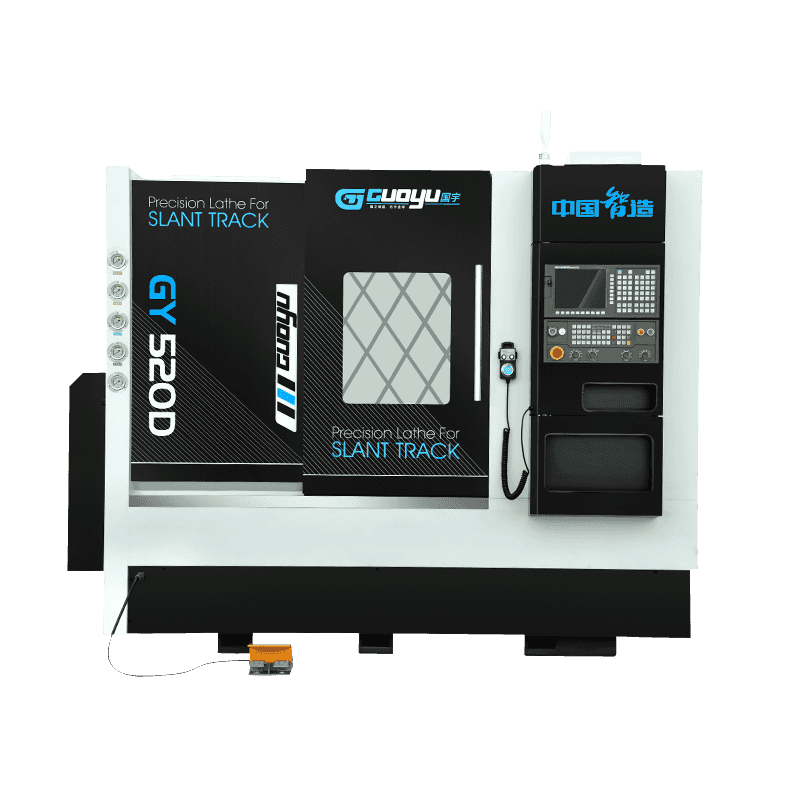
Technical Characteristics: The CNC machine tool for inclined beds adopts the domestic or imported hi...
See Details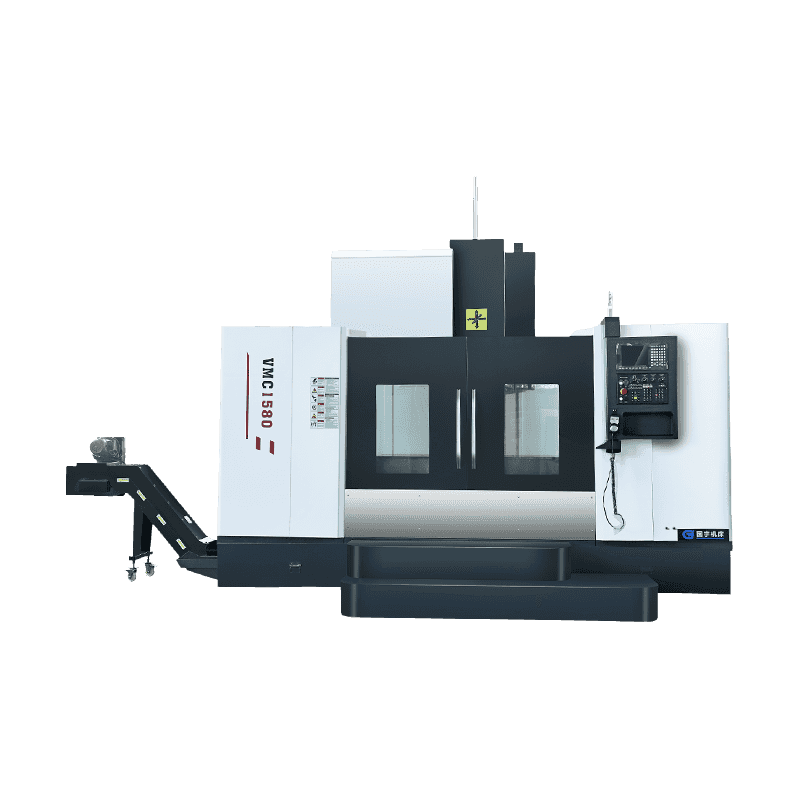
We are pleased to present the VMC1580 High-Speed Vertical Machining Center, a reliable and efficient...
See Details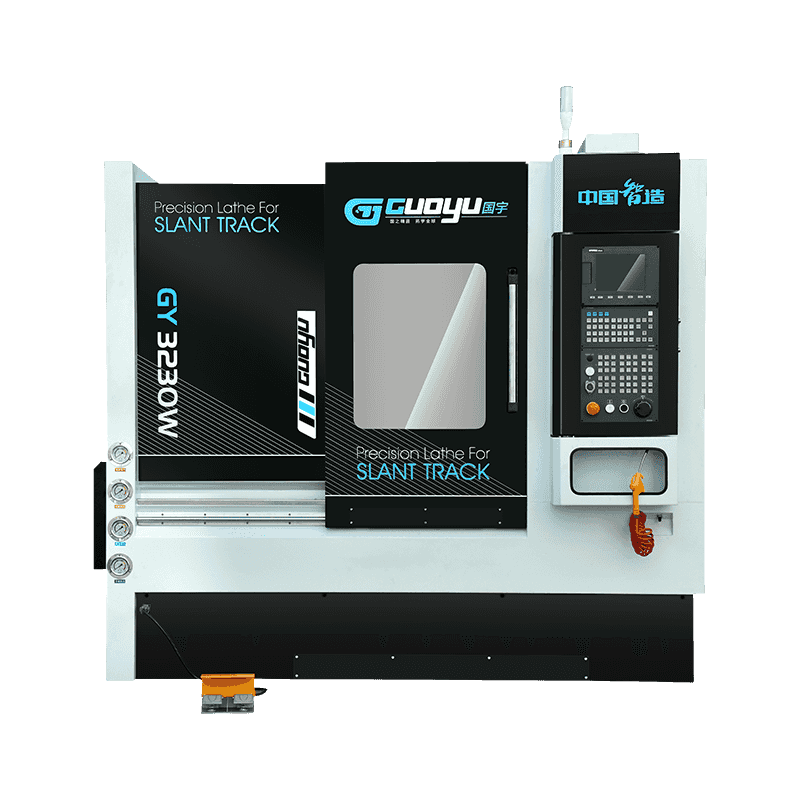
Technical Characteristics: The machine tool is of high precision, and the spindle is supported by hi...
See Details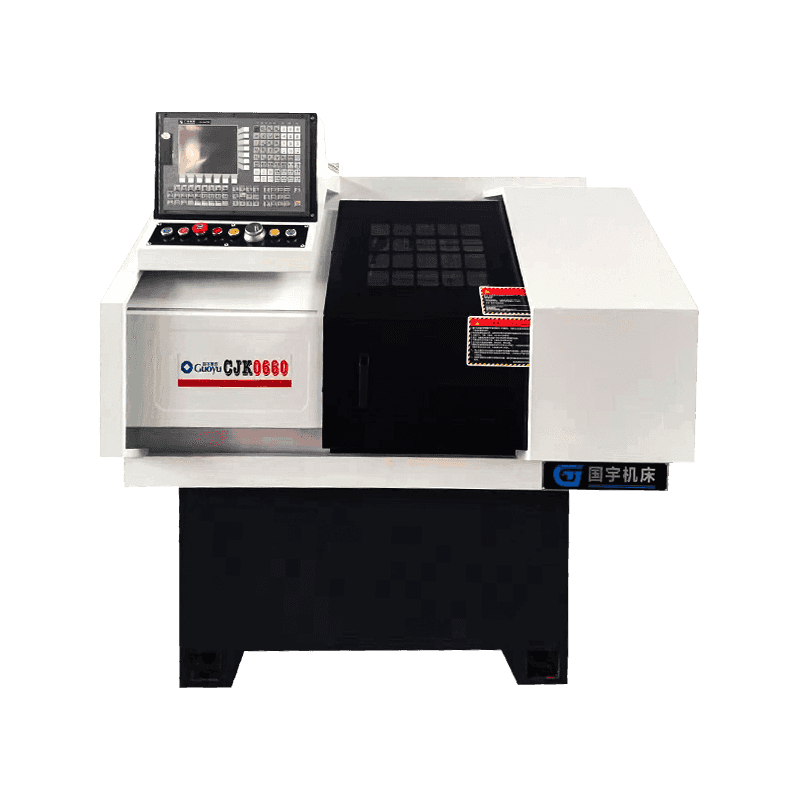
The Custom Precision Line Rail Precision CNC Lathe is just a really practical, compact machining sol...
See Details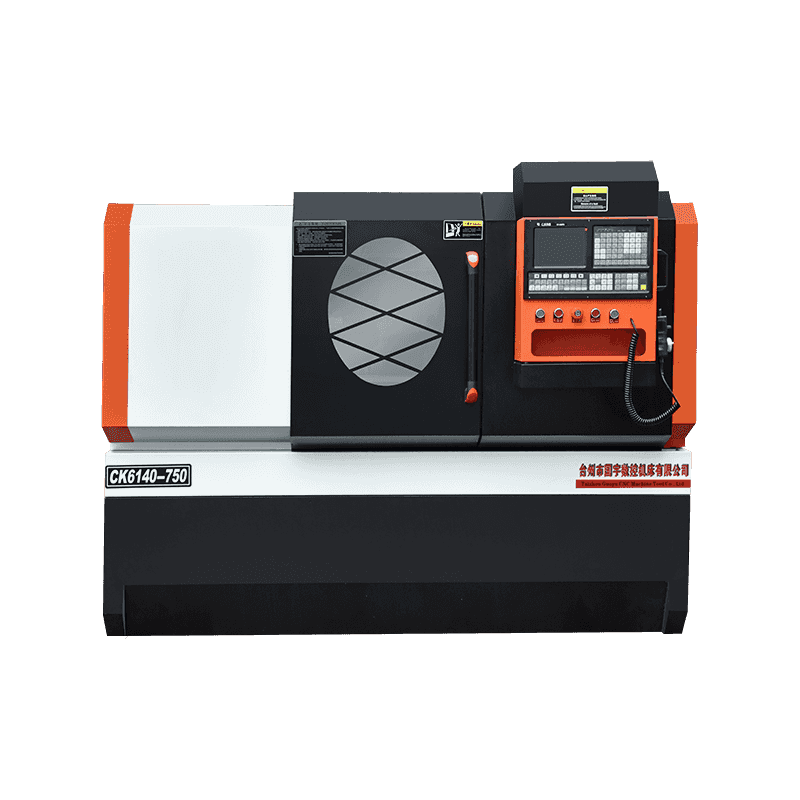
Technical Characteristics: It can cut all kinds of turning surfaces by bicycle, such as conical surf...
See Details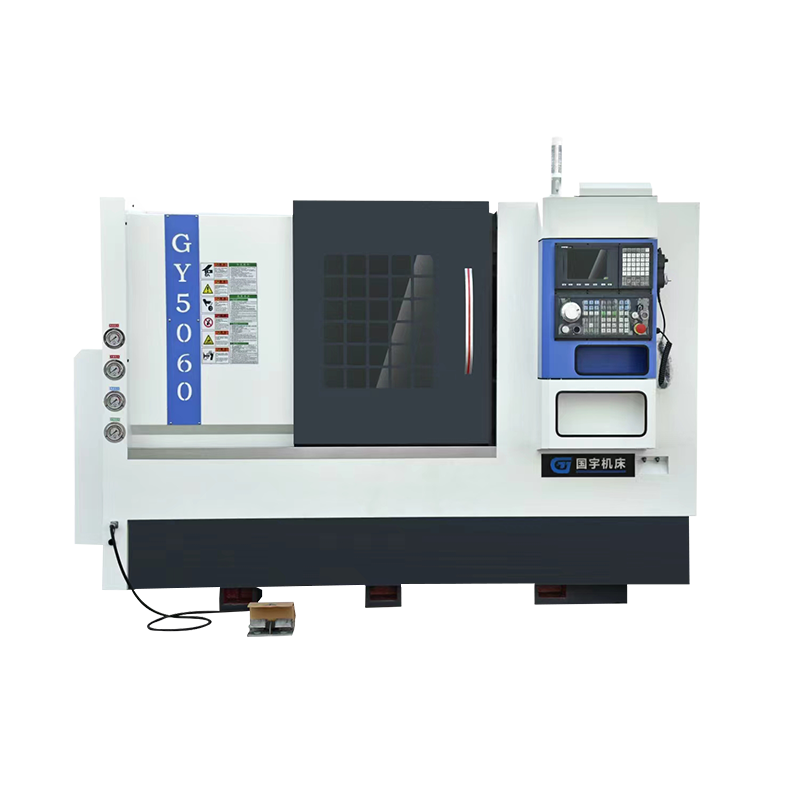
Technical Characteristics: All lathes are integrally cast with 250 materials to ensure processing ri...
See Details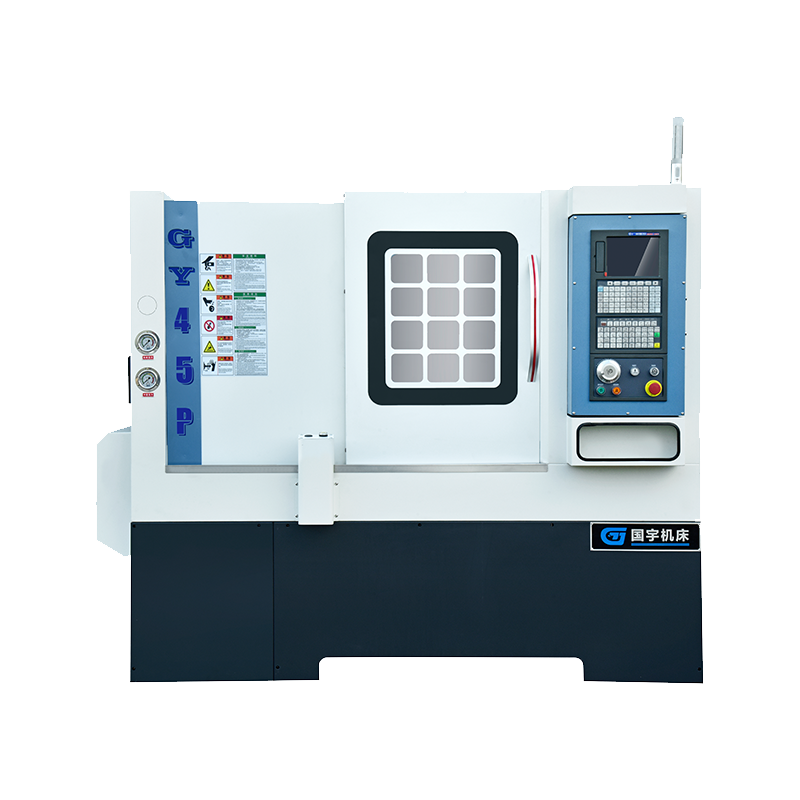
Technical Characteristics:Based on international advanced technology, the design of this machine too...
See DetailsOur team of digital and business experts will guide you to the right direction.
Let's Talk
Zhejiang Guoyu CNC Machine Tool Co., Ltd. relies on rich experience, professional technology and advanced methods to ensure the quality of its products, so that customers can enjoy more professional and thoughtful service.
 [email protected]
 +86-15356565970
 Xialiang Industrial Area, Luqiao District, Taizhou City, Zhejiang Province, China
Copyright © Zhejiang Guoyu CNC Machine Tool Co., Ltd. All Rights Reserved.