English
 中文简体
 русский
 Español


Technical Characteristics: The machine tool is a single-column vertical guideway structure. The colu...
See DetailsPicking a lathe isn't only about workpiece size or cutting speed. The machine's structure also decides how the work is held, how chips leave the cutting area, and how easily an operator can reach the working zone. These details matter once a shop has to handle different parts, volumes, and routines.
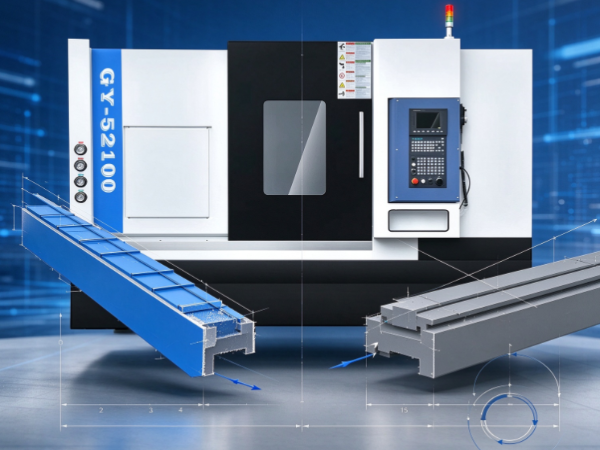
Slant bed and flatbed lathes do the same basic job. Each rotates a workpiece while a cutting tool removes material to form the shape. Their bed designs, though, create different working conditions. A slant bed lathe has an angled bed. A flatbed lathe has a more horizontal one. That difference can affect the machine layout, chip handling, workpiece support, and daily operation.
Neither design fits every situation. The right choice depends on the parts you make, the operations you need, how much you automate, and how your facility organizes its work. Knowing the differences lets you match a lathe to real production needs instead of choosing by looks.
The main difference is the angle and arrangement of the bed. The bed carries key machine components and gives the cutting tool a stable path to move along. Its design shapes the machine layout and how operators deal with the work area.
A slant bed lathe sets its main bed at an angle. You see this layout on many CNC turning machines. The slope can give chips room to fall away from the cutting area, and it can make the machine easier to pair with automatic loading systems. How much you gain depends on the machine's design and its chip collection system.
A flatbed lathe keeps the bed horizontal. This traditional layout appears on many manual lathes and some CNC machines. Depending on machine size and configuration, it can give easy access to the workpiece and tool area. Some flatbed designs also suit large or long components.
Bed design alone doesn't define what a machine can do. Spindle construction, tool arrangement, control functions, workholding, and machine travel all matter.
| Feature | Slant bed lathe | Flatbed lathe |
|---|---|---|
| Bed arrangement | Inclined structure | Horizontal structure |
| Chip handling | The slope can help chips move away from the cutting area | Chip movement depends more on the surrounding layout and collection system |
| Work area access | Depends on enclosure and machine configuration | Often provides a familiar, open layout on traditional designs |
| Automation | Commonly used in automated CNC turning setups | Can also support automation when suitably configured |
| Typical use considerations | Repeated production, tool access, and chip management | Workpiece access, part size, and varied machining tasks |
These are general tendencies, not fixed rules. A well-designed flatbed lathe can have good chip collection and automated features. A slant bed model can be set up for a wide range of workpieces. Look at the whole machine, not just the bed shape.
Slant bed lathes are often tied to CNC production because their layout supports a compact, orderly working area. Many models run programmed turning operations with little manual input during each cycle. That helps when a shop makes similar parts again and again.
Say a manufacturer needs a run of pins, sleeves, or connectors. Each part may need several cuts, but the process stays much the same from one piece to the next. A CNC slant bed lathe can follow a stored program, move the tool along planned paths, and repeat the cycle on each properly prepared workpiece.
The inclined bed may also steer chips toward a collection area. That leaves less material around the cutting zone. The result still depends on chip shape, cutting conditions, coolant flow, and the machine's chip removal design. Long or tangled chips can still need attention.
Production involves more than cutting. Operators load parts, inspect finished pieces, change tools, clear chips, and react to process changes. A machine with convenient access makes those tasks easier to organize.
Consider a slant bed lathe when your shop values:
Still, repeated work doesn't always demand a slant bed. A flatbed CNC machine can also handle production when its capacity and configuration suit the part. What matters is whether the machine can hold the required process and fit your handling and inspection routine.
Flatbed lathes work well when workpieces vary in size, shape, or machining needs. Many machinists know the layout well, especially in shops that do repairs, custom machining, and short runs.
A repair shop might get a shaft with a worn surface, a sleeve that needs adjusting, or a custom part to make from stock on hand. Such jobs rarely follow one repeated program. The operator may need to examine the part, pick tooling, adjust the setup, and change course as the work goes on.
On some flatbed lathes, the open layout makes it easier to reach the workpiece and watch the cut. That helps with certain manual operations and jobs that need frequent setup changes. How much it helps depends on the machine design, the guarding, and how the workpiece is supported.
Flatbed lathes are also common where long or fairly large workpieces come through. Some models combine suitable bed length, support arrangements, and capacity for those jobs. Even so, bed style doesn't guarantee a machine can take a given part. Check the real working envelope and support options.
A flatbed lathe may suit tasks like these:
A flatbed lathe can be CNC controlled too. The split isn't simply manual versus automatic. Bed structure, control system, tool capacity, and production setup are separate features, and you should assess them together.
Chip removal is one of the visible differences between the layouts. Turning makes chips as the cutting edge removes material from the spinning workpiece. Depending on the material and the cut, chips can be short fragments, curled strips, or long pieces that pile up around the tool.
On a slant bed lathe, gravity helps chips slide down the incline toward the collection area. Fewer chips may rest on horizontal surfaces near the cut. The layout also pairs well with a purpose-built conveyor or collection system.
A flatbed lathe doesn't automatically handle chips badly. Results depend on the bed shape, internal clearances, coolant arrangement, guards, and collection equipment. Some machines send chips away from the work area through dedicated channels or conveyors.
Material matters as well. Different metals make different chips. Some break into small pieces that are easy to collect. Others form long strands that wrap around the workpiece or tool. A bed angle can't fix every chip problem.
Maintenance follows the same logic. Both types need regular cleaning, lubrication, inspection, and attention to moving parts. Operators must clear built-up chips safely and follow the manufacturer's procedures for cleaning the enclosure and collection system.
| Maintenance consideration | Why it matters |
|---|---|
| Chip collection | Prevents waste material from interfering with machining and movement |
| Lubrication | Helps moving components operate as intended |
| Tool inspection | Identifies wear or damage that may affect the cutting result |
| Workholding checks | Helps keep the workpiece secure during rotation |
| Guide and slide inspection | Helps maintain controlled tool movement |
| Coolant system care | Supports the intended cutting conditions and chip handling |
A slant bed layout may make some chip tasks easier, but you still have to maintain the machine. A flatbed with a suitable collection system can also keep the area tidy. The better choice depends on your material, production method, and maintenance routine.
Both designs can machine many kinds of cylindrical parts. The parts a machine suits depend on its working capacity, spindle arrangement, tooling, support system, and controls. Don't treat bed style as a direct measure of part size or complexity.
Production shops often use slant bed CNC lathes for small and medium-sized components. The compact layout suits repeated turning and pairs easily with automatic loading equipment. Some models can also do extra operations when fitted with the right tools.
Flatbed lathes come into play for long shafts, larger workpieces, repairs, and varied jobs, provided the specific machine has the capacity. Suitability depends on the distance between centers, the spindle bore, the workholding method, and the available support.
Real production needs make the split clearer.
A shop making the same connector all shift will likely put cycle consistency, chip collection, and automated handling first. A shop making custom shafts for different machines may care more about workpiece access, flexible setup, and the ability to adapt to unusual dimensions.
| Workpiece or job requirement | What to evaluate |
|---|---|
| Repeated small components | Cycle consistency, tool arrangement, and loading options |
| Long shafts | Support method, working length, and workpiece stability |
| Large or heavy parts | Machine capacity, chuck arrangement, and safe handling |
| Custom components | Setup flexibility and tool access |
| Complex turning features | Control functions, tool positions, and available machining operations |
| Mixed production batches | Changeover requirements and program flexibility |
Treat these as starting points, not strict categories. A suitable slant bed lathe may take a long part, and a flatbed may turn out repeated components. The machine specification and the actual setup decide whether the work can be done safely and consistently.
Accuracy depends on how the cutting tool and workpiece relate to each other throughout the operation. Both slant bed and flatbed lathes can make accurate parts when they are well designed, installed, maintained, and operated.
Bed structure affects rigidity and how cutting forces travel through the machine. It's only one factor, though. Spindle condition, guide design, alignment, tool holding, workpiece support, and thermal behavior all shape the result.
A slant bed lathe can offer a compact structure that suits some CNC turning work. Its chip management can also keep the cutting area orderly. With the right configuration, these features can support consistent production.
A flatbed lathe can reach suitable accuracy for many turning jobs too. Its performance depends on the quality of the structure, the condition of the moving parts, and what the workpiece demands. A well-maintained flatbed can handle precision tasks, and a slant bed machine can still be wrong for a job beyond its limits.
Surface quality depends on tool condition, cutting conditions, material properties, vibration, and clamping. A dull tool can leave an uneven finish on any bed design. An unsupported workpiece can vibrate and spoil both dimensions and surface appearance.
When comparing machines, review:
If accuracy is central, test with a representative workpiece. That lets you judge the complete setup instead of assuming one bed design always delivers a certain result.
Automation can tip the choice between the two. Many slant bed CNC machines have enclosed work areas and layouts that take automatic loading, part collection, and chip removal equipment. These features help when a manufacturer wants to cut down on repeated manual handling.
An automated setup can feed in raw material, run a programmed turning cycle, and move the finished part to a collection point. The exact arrangement depends on the equipment and the part. Automation also adds requirements, such as reliable workpiece positioning, a steady material supply, and access for maintenance.
Flatbed lathes can join automated production as well. A suitable CNC flatbed model can work with loading equipment, conveyors, or other handling systems. Whether it's feasible depends on the machine layout and available interfaces, not on the horizontal bed alone.
Operator access is another factor. A machine should let operators do their tasks without needless difficulty. Those tasks include loading workpieces, setting tools, checking dimensions, clearing chips, and routine maintenance.
An enclosed slant bed machine puts a clear boundary around the cutting area. A traditional flatbed layout may give easier access for some manual tasks. Neither is automatically easier in every shop. Operator position, control placement, guarding, door design, and part handling method all shape the experience.
Training matters for both. Operators need to understand the controls, workholding requirements, safe procedures, and signs of abnormal behavior. CNC programming and automated handling may call for extra skills. Manual or flexible machining work may demand more setup judgment.
Start with the parts the machine must make. Note the workpiece dimensions, materials, required features, production volume, and inspection needs. These details give you a practical basis for comparing options.
A facility making repeated components may gain from a slant bed CNC lathe if its layout supports the cycle, chip handling, and loading method. A shop with varied jobs or frequent repairs may find a flatbed lathe fits better when it offers convenient access and the capacity required.
Put cost in context. Purchase price is only part of owning a machine. Tooling, installation, operator training, maintenance, material handling, and downtime all add to the total over time.
Floor space counts too. A compact machine may fit a crowded production area, but you still need room for loading, maintenance, chip collection, and safe movement around it. The overall layout should support how work flows through the facility.
Before deciding, work through this checklist:
The supplier should be able to explain how the proposed machine fits your work. Also review the operating instructions, service support, and installation requirements before you buy.
Slant bed and flatbed lathes are built around different structural layouts, and those layouts can make certain production tasks easier to organize. Their real capabilities overlap, though. A sound choice comes from matching the whole machine to the workpiece, the machining process, the operators, and the production environment, not from the bed design alone.
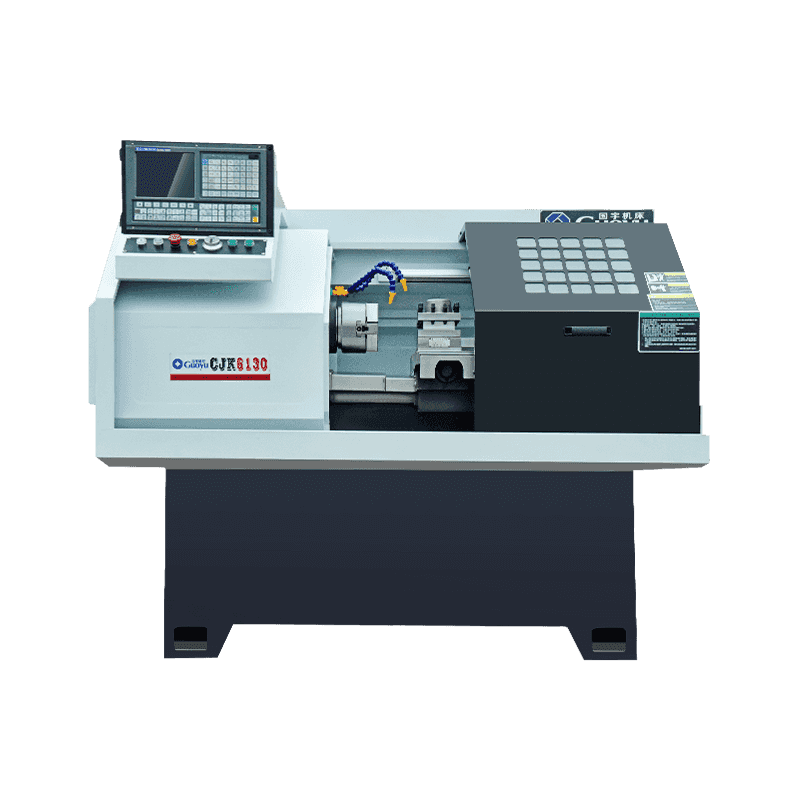
Technical Characteristics: The machine tool is a single-column vertical guideway structure. The colu...
See Details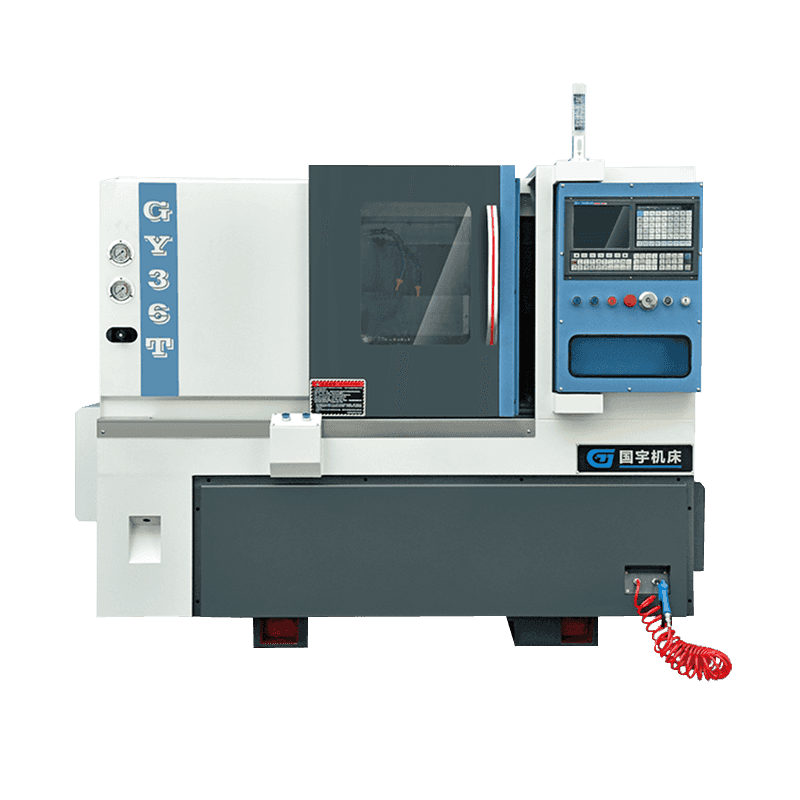
Technical Characteristics: The CNC machine tool for inclined beds adopts the domestic or imported hi...
See Details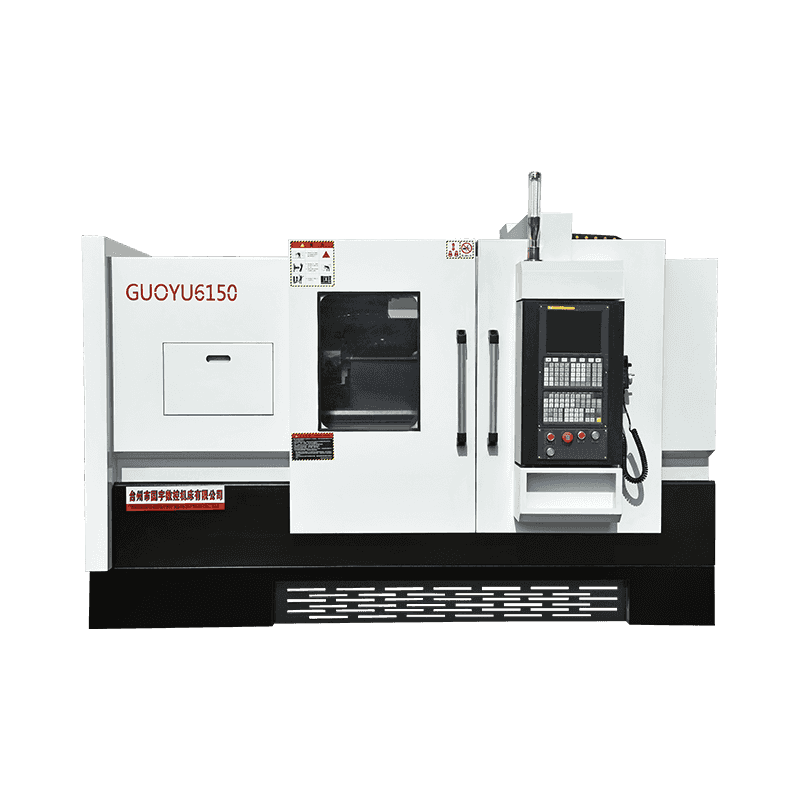
Technical Characteristics: It can cut all kinds of turning surfaces by bicycle, such as conical surf...
See Details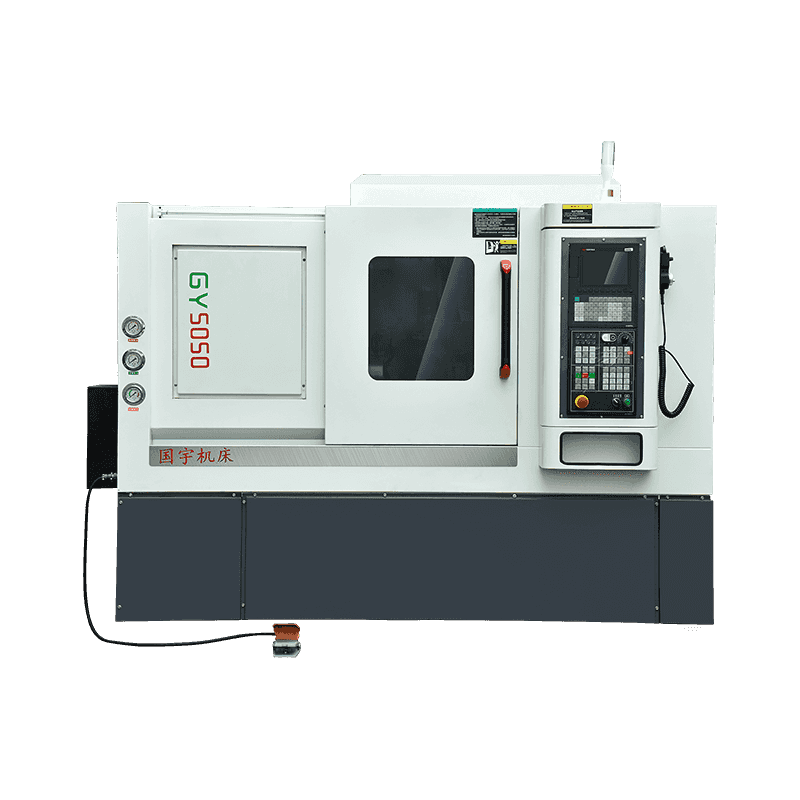
Technical Characteristics: The machine tool is of high precision, and the spindle is supported by hi...
See Details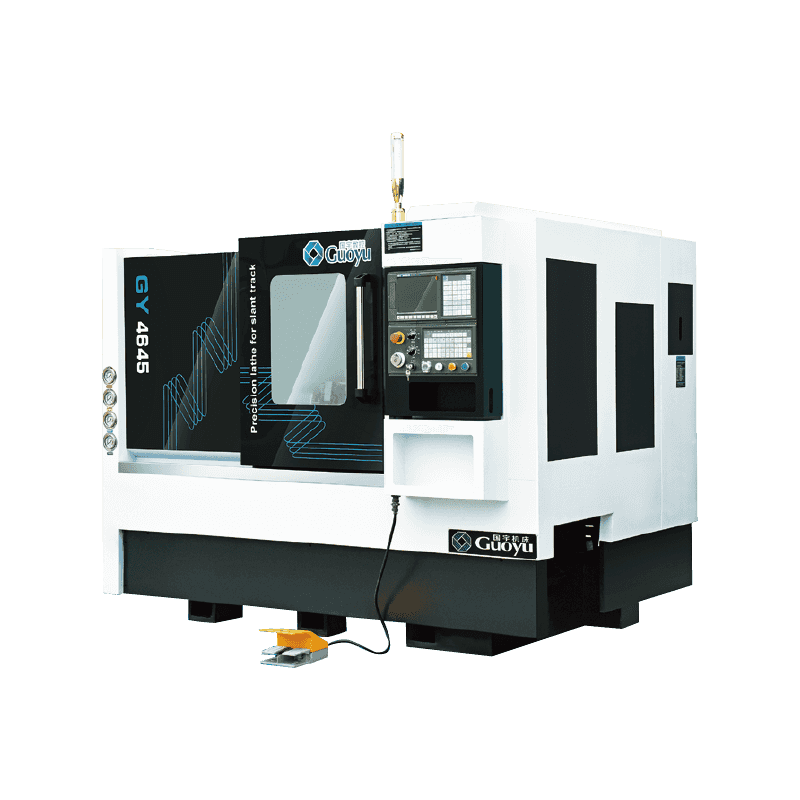
The Conjoined 35° Oblique Rail Cutter Tower Tail Seat Precision CNC Horizontal Lathe is a really pra...
See Details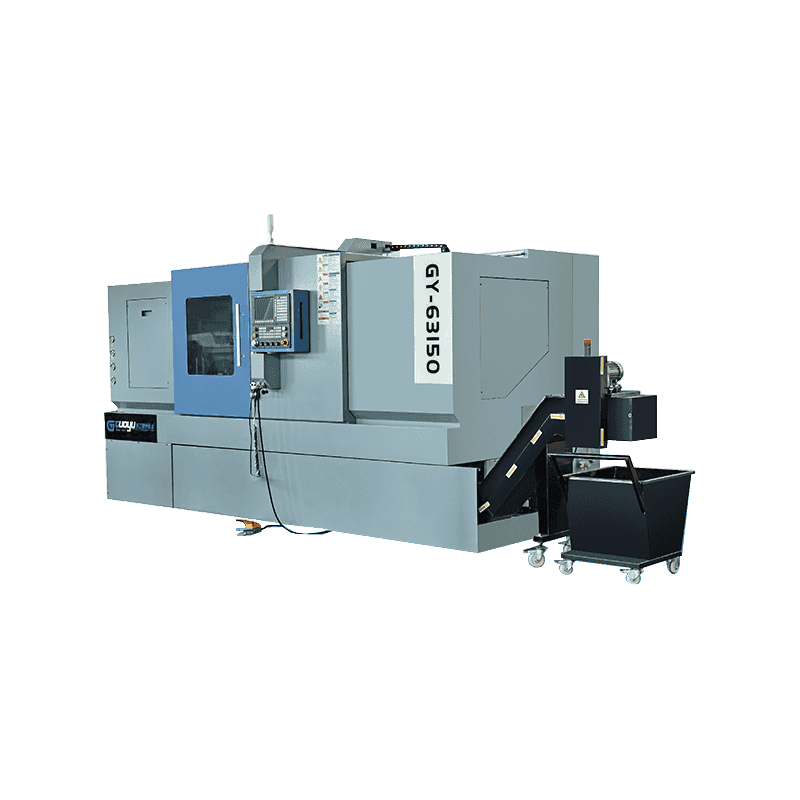
The Precision CNC Lathe With Programmable Tailstock For Connected Inclined Rail Tool Tower is just a...
See Details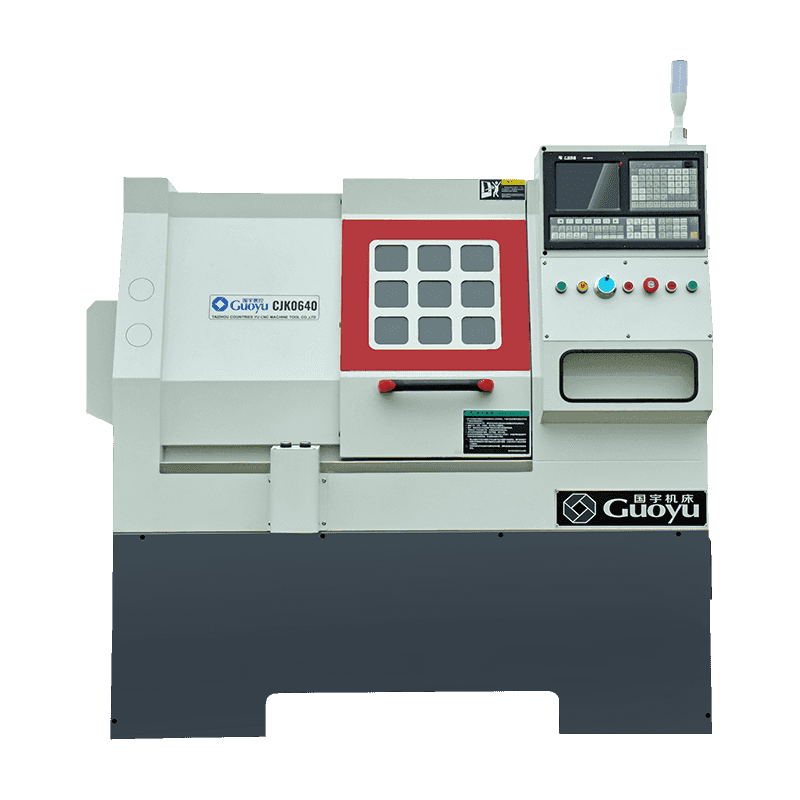
Technical Characteristics: The machine tool is equipped with a quantitative automatic lubrication sy...
See Details
Technical Characteristics:Line Rail CNC lathes are integrally cast with 250 materials to ensure proc...
See DetailsOur team of digital and business experts will guide you to the right direction.
Let's Talk
Zhejiang Guoyu CNC Machine Tool Co., Ltd. relies on rich experience, professional technology and advanced methods to ensure the quality of its products, so that customers can enjoy more professional and thoughtful service.
 [email protected]
 +86-15356565970
 Xialiang Industrial Area, Luqiao District, Taizhou City, Zhejiang Province, China
Copyright © Zhejiang Guoyu CNC Machine Tool Co., Ltd. All Rights Reserved.