English
 中文简体
中文简体 русский
 Español

Technical Characteristics: The machine tool is a single-column vertical guideway structure. The colu...
See DetailsFlat-bed CNC lathes have become a common choice in manufacturing industries due to their stability, precision, and efficiency. These machines are widely used for metalworking, woodworking, and plastic processing, and they can handle a variety of tasks such as turning, drilling, and threading.
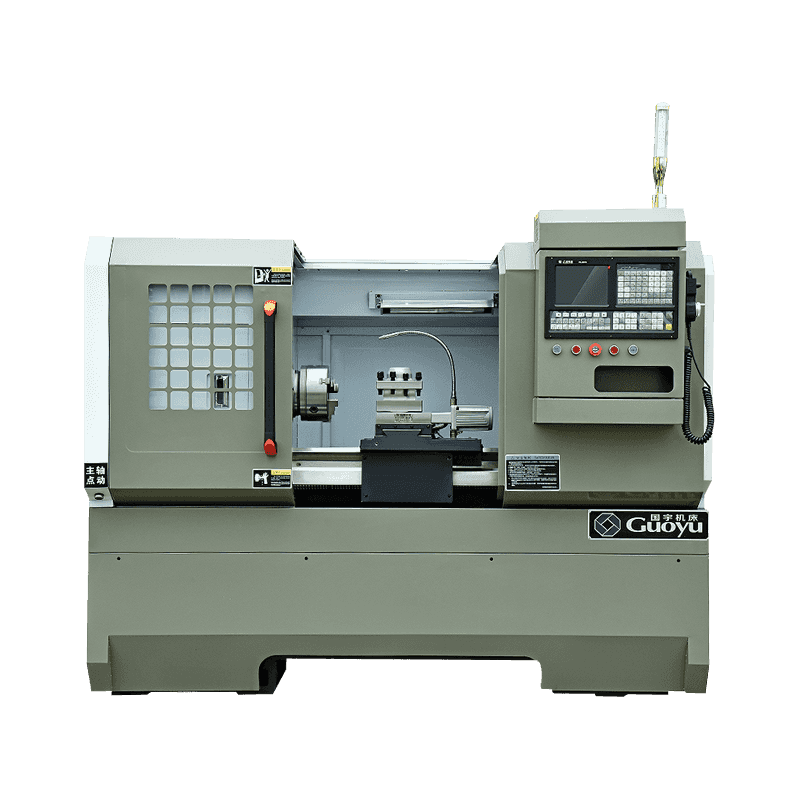
One of the main reasons for the popularity of flat-bed CNC lathes is their structural stability. The flat-bed design provides a solid foundation, allowing the machine to handle heavy workpieces and resist vibration during operation. This stability improves the accuracy of cuts and extends the life of both the machine and the cutting tools. For instance, in a factory producing large steel components for automotive applications, a flat-bed CNC lathe can maintain consistent performance without flexing or misalignment. Compared to other lathe types, such as slant-bed designs, the flat-bed layout is simpler, easier to maintain, and highly reliable under continuous use.
Flat-bed CNC lathes are valued for their operational precision. CNC technology allows operators to program specific cutting paths, resulting in consistent dimensions and smooth surfaces. This level of precision is crucial in industries such as aerospace and medical equipment manufacturing, where tight tolerances are required. A small manufacturer producing custom metal parts for machinery, for example, benefits from flat-bed CNC lathes because the machines can repeat exact specifications across multiple units, reducing errors and material waste. Precision, combined with stable operation, makes these lathes suitable for both prototype development and mass production.
Another factor contributing to their popularity is versatility. Flat-bed CNC lathes can process a wide range of materials, including metals, plastics, and composite materials. They can perform various machining operations, including turning, facing, threading, and grooving. This versatility allows manufacturers to use a single machine for multiple tasks, saving space and reducing the need for additional equipment. For example, a workshop producing both aluminum and steel parts can switch between materials without changing machines, increasing productivity and flexibility. The ability to handle different workpiece sizes and shapes also adds to the attractiveness of flat-bed CNC lathes for various industries.
Ease of use is another reason why flat-bed CNC lathes are preferred. Modern CNC controls include user-friendly interfaces and software that simplify programming and operation. Operators can quickly learn to input dimensions, set cutting paths, and monitor the machining process. In addition, many flat-bed CNC lathes include automated features such as tool changers and cooling systems, reducing manual intervention and improving efficiency. For smaller factories or workshops with limited technical staff, the straightforward operation of flat-bed CNC lathes ensures that production can continue without requiring extensive training.
Cost-effectiveness contributes to the popularity of flat-bed CNC lathes. While initial investment can be significant, the long-term benefits in terms of productivity, reduced material waste, and consistent quality justify the expense. Flat-bed CNC lathes typically require less maintenance compared to more complex designs, further lowering operational costs. For example, a mid-sized company manufacturing metal fittings can achieve high-quality production at a controlled cost by using a flat-bed CNC lathe, avoiding the need for multiple specialized machines. This combination of reliability, efficiency, and affordability makes these machines attractive for a wide range of businesses.
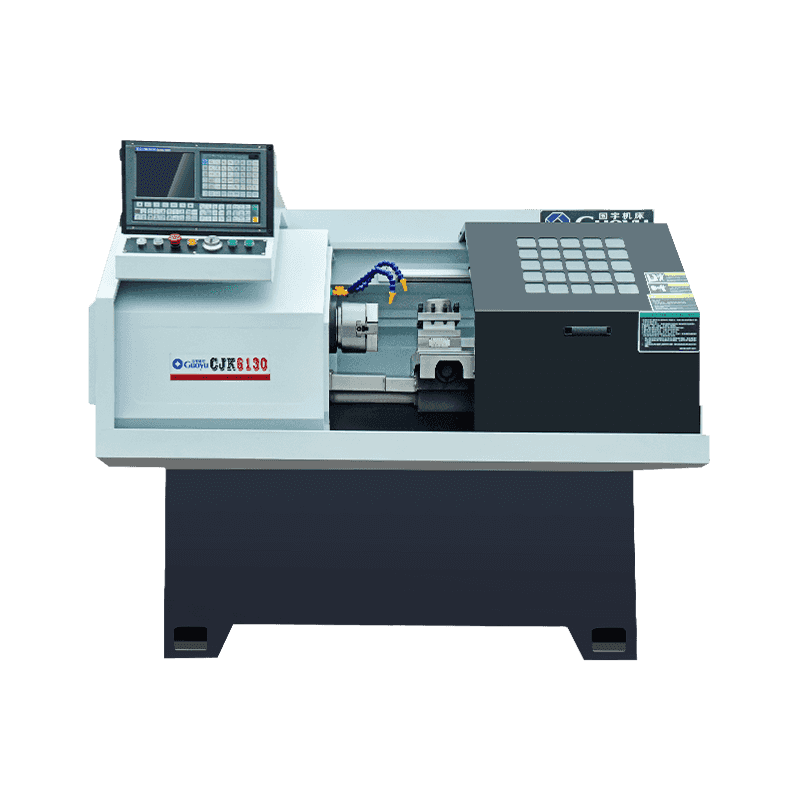
Technical Characteristics: The machine tool is a single-column vertical guideway structure. The colu...
See Details
Technical Characteristics: It can cut all kinds of turning surfaces by bicycle, such as conical surf...
See Details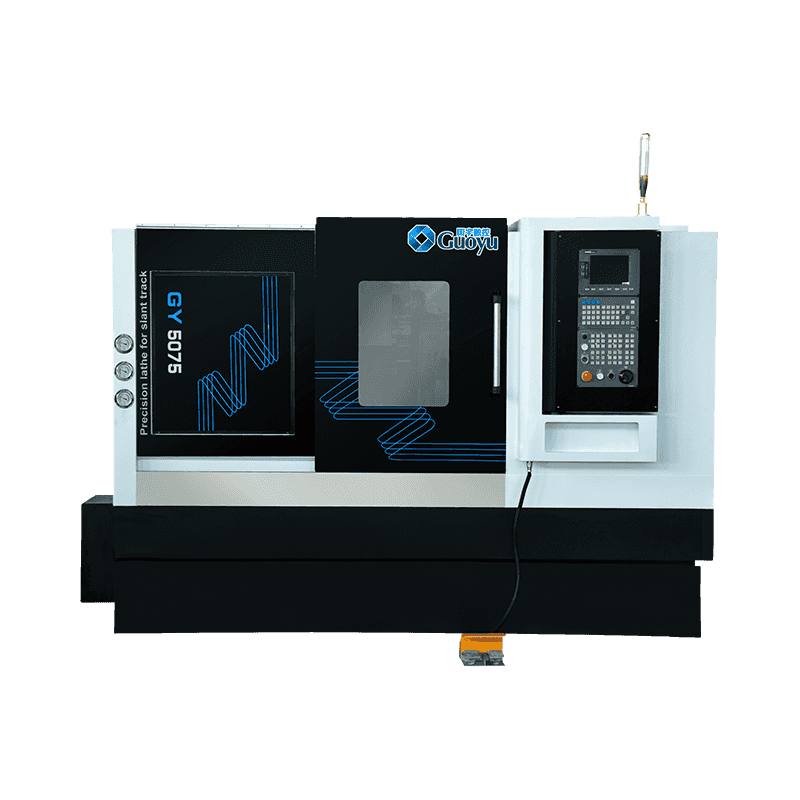
Technical Characteristics: The CNC machine tool for inclined beds adopts the domestic or imported hi...
See Details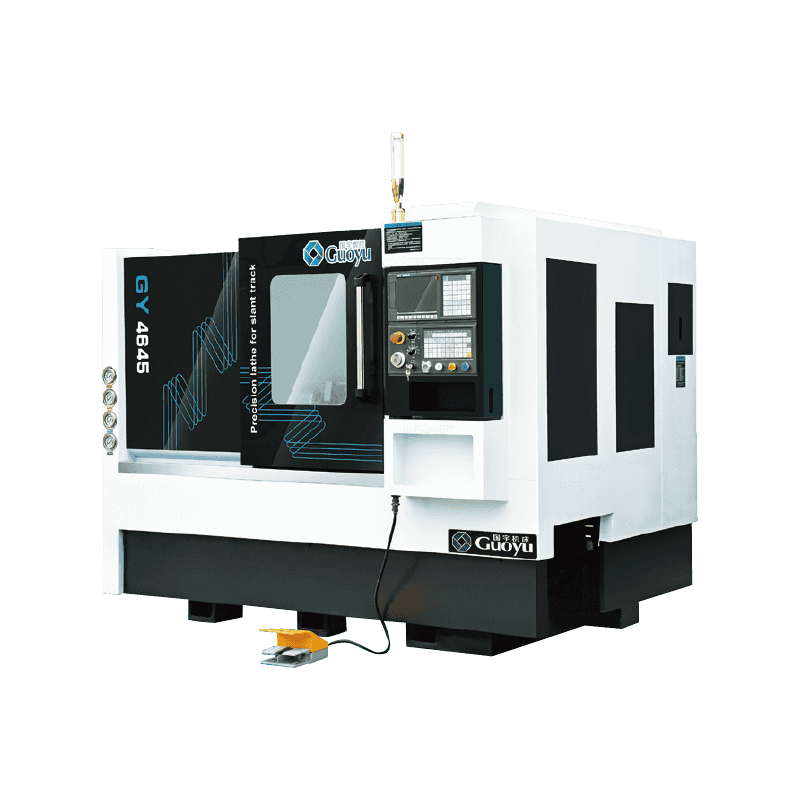
The Conjoined 35° Oblique Rail Cutter Tower Tail Seat Precision CNC Horizontal Lathe is a really pra...
See Details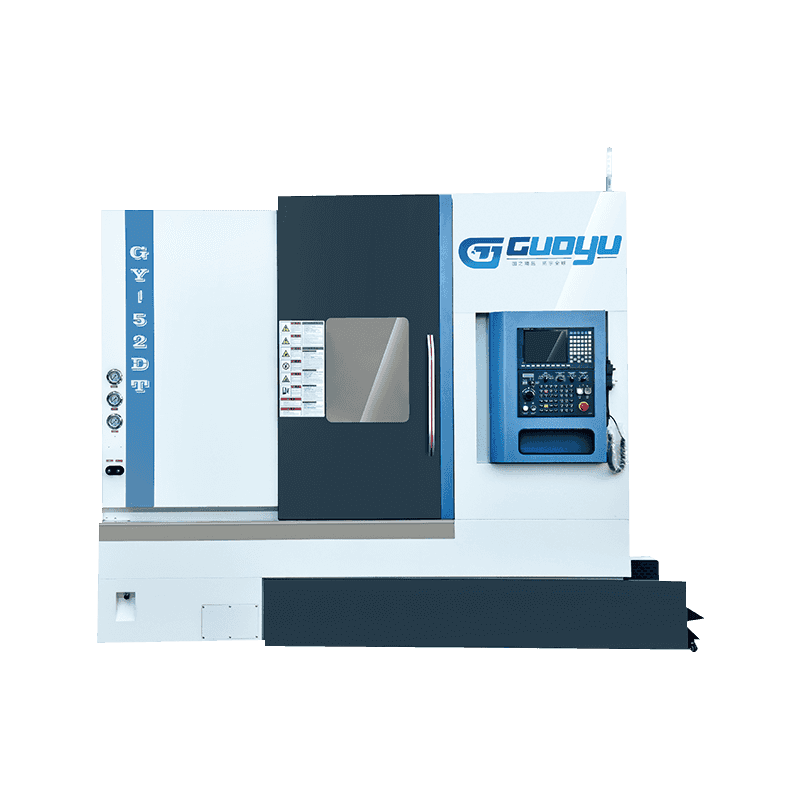
Technical Characteristics: The CNC machine tool for inclined beds adopts the domestic or imported hi...
See Details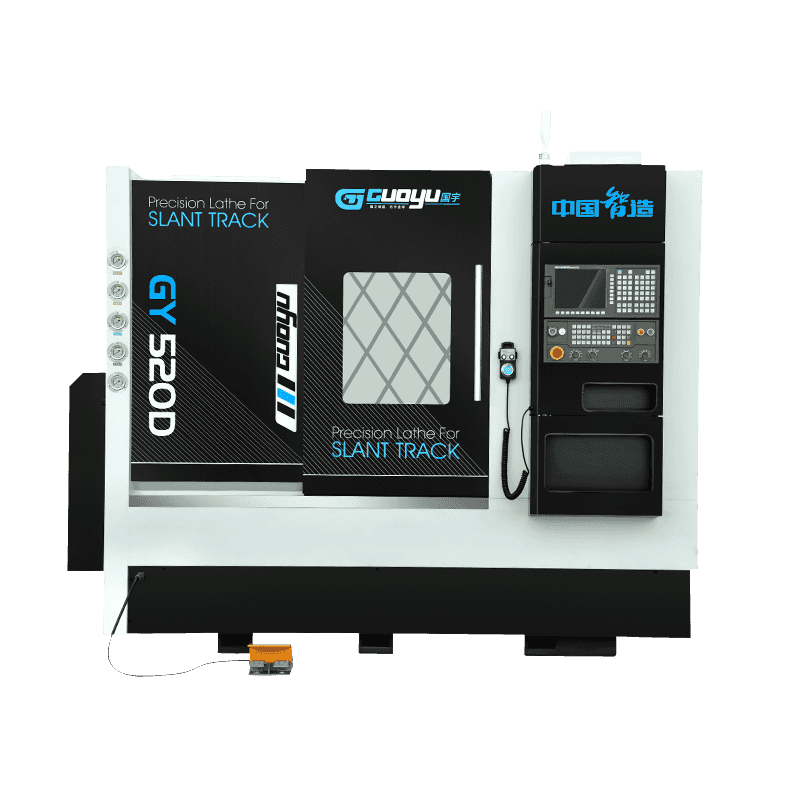
Technical Characteristics: The CNC machine tool for inclined beds adopts the domestic or imported hi...
See Details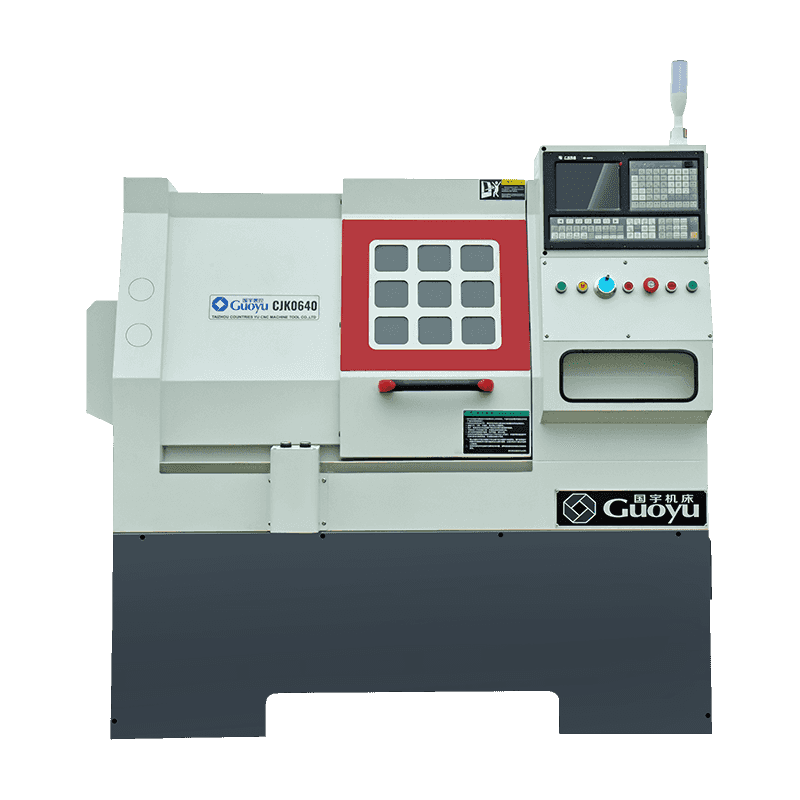
Technical Characteristics: The machine tool is equipped with a quantitative automatic lubrication sy...
See Details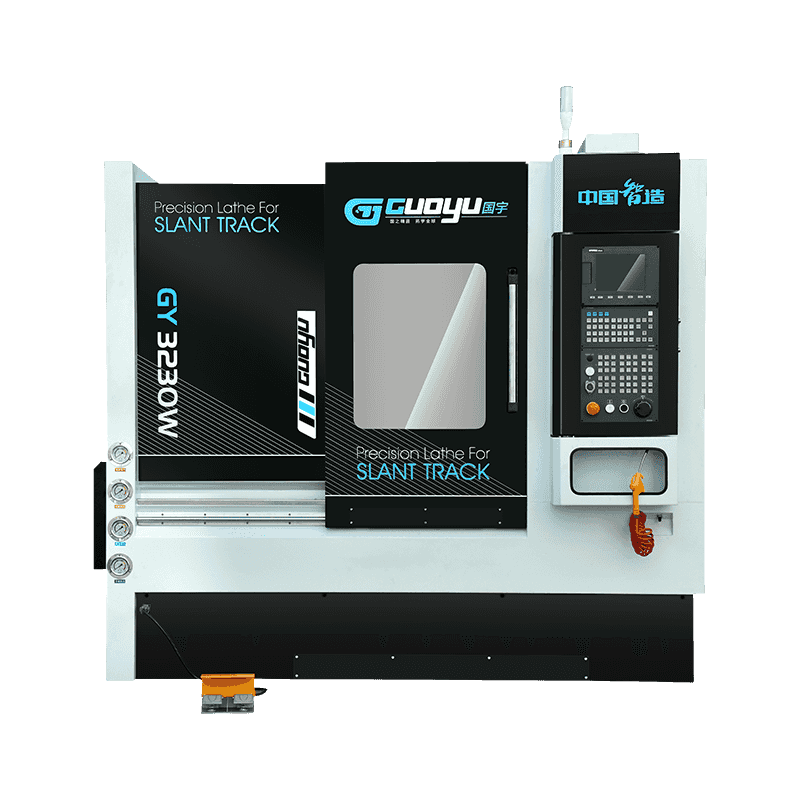
Technical Characteristics: The machine tool is of high precision, and the spindle is supported by hi...
See DetailsOur team of digital and business experts will guide you to the right direction.
Let's Talk
Zhejiang Guoyu CNC Machine Tool Co., Ltd. relies on rich experience, professional technology and advanced methods to ensure the quality of its products, so that customers can enjoy more professional and thoughtful service.
 [email protected]
 +86-15356565970
 Xialiang Industrial Area, Luqiao District, Taizhou City, Zhejiang Province, China
Copyright © Zhejiang Guoyu CNC Machine Tool Co., Ltd. All Rights Reserved.